



.svg)

Why You Might Be Here
You've been told it's time for a cleaning. Maybe it's been six months, maybe longer. Either way, you want to know what you're getting into and whether it's worth the time.


Why Regular Cleanings Matter More Than You Think
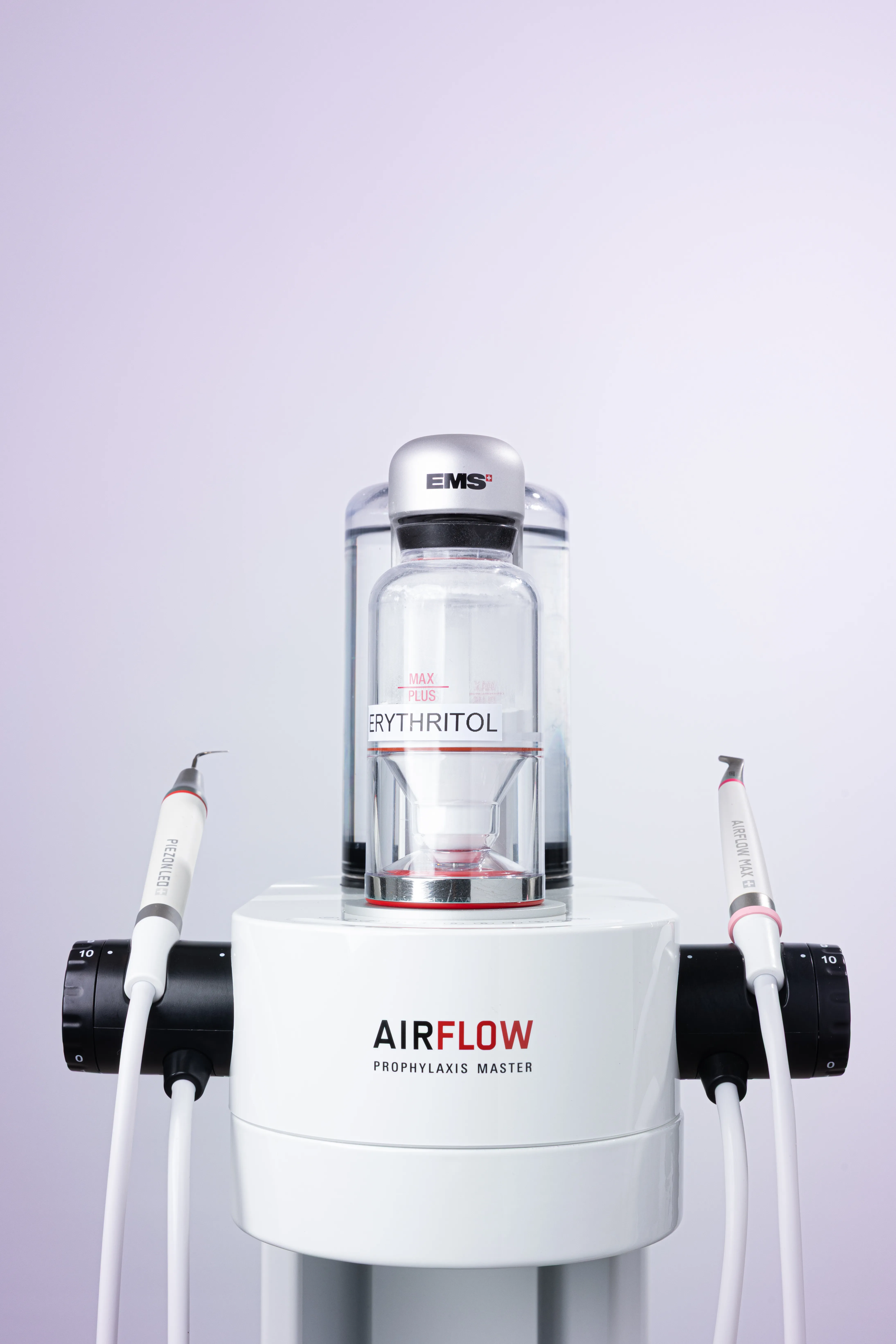
Most people think cleanings are about scraping tartar and polishing teeth. They are. But at Livewell, we use every cleaning appointment as a diagnostic checkpoint.
We look at the full picture:
We evaluate:
Because when we understand why things are breaking, we can build something that doesn’t.

Why Dr. Chris Reviews Every Cleaning Personally
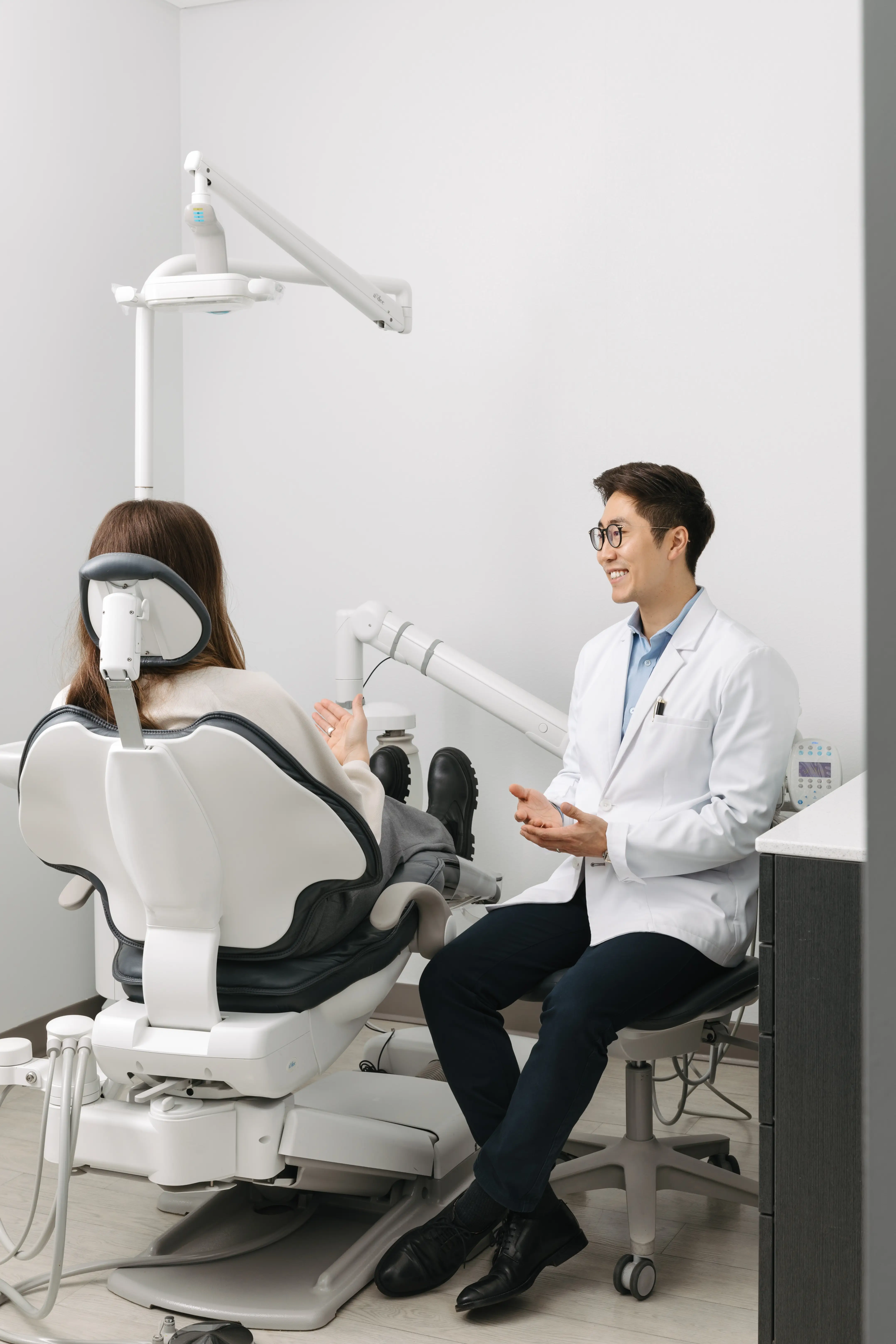
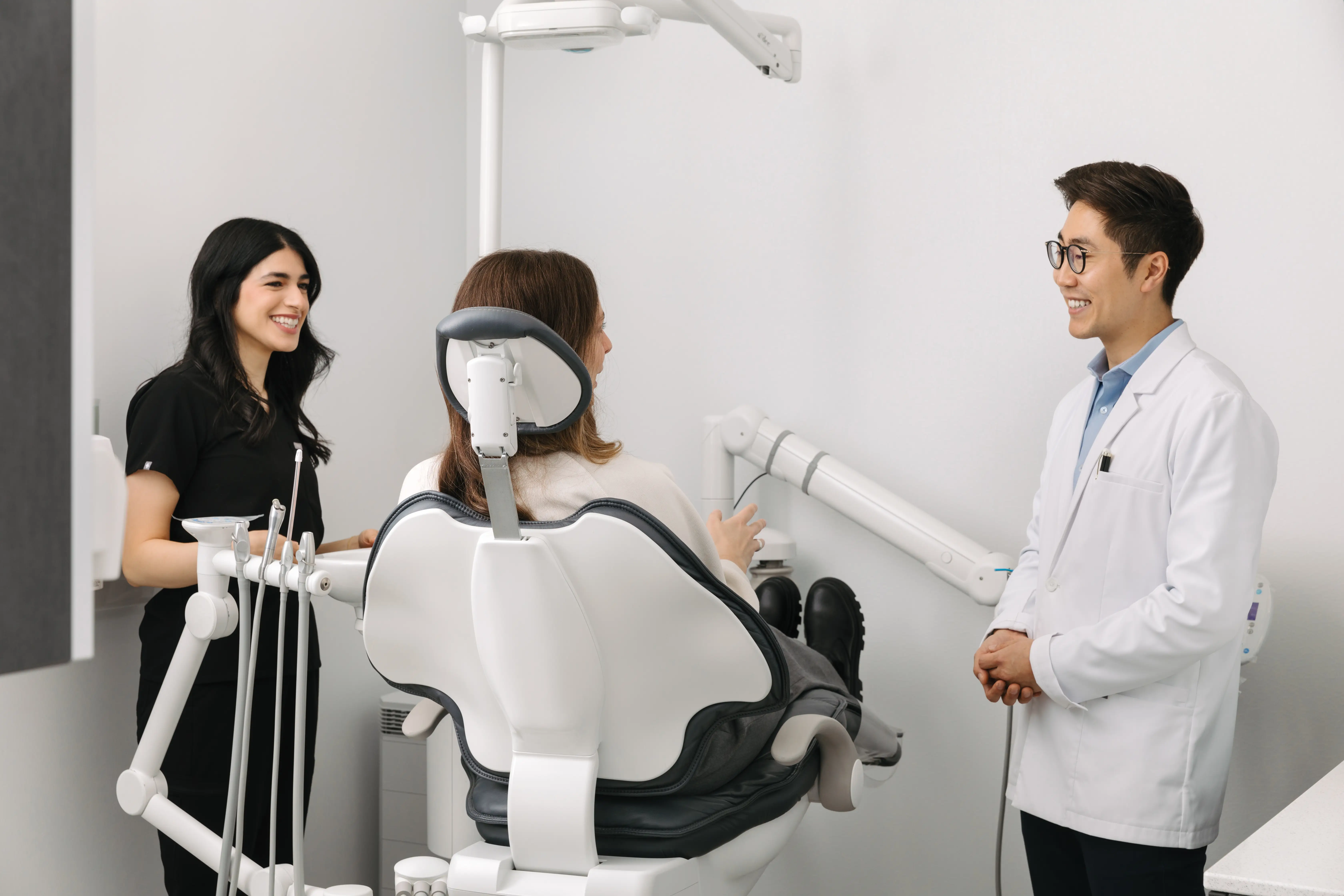
Most dental offices schedule cleanings in assembly-line blocks. The hygienist does the work and the dentist pops in for 90 seconds before moving to the next room. At Livewell, Dr. Chris reviews your hygiene findings at every single visit. Not a summary. The actual numbers.
That means if your pocket depths are creeping up, he catches it now. If your bleeding score improved, he knows why. Your cleaning is connected to the full picture of your health, not siloed from the rest of your care.
- Direct review of your gum measurements, bleeding scores, and pocket depths at every visit
- Cleaning intervals adjusted based on your actual health data, not a default schedule
- One appointment at a time, your visit is never competing with another patient's chair
- Clear explanation of what changed since your last visit and why it matters
What Sets Our Cleaning Apart
It depends on your gum health and risk level. Some patients need cleanings every 3 to 4 months. Others are stable at 6 months. We set your interval based on your data, not a default schedule.
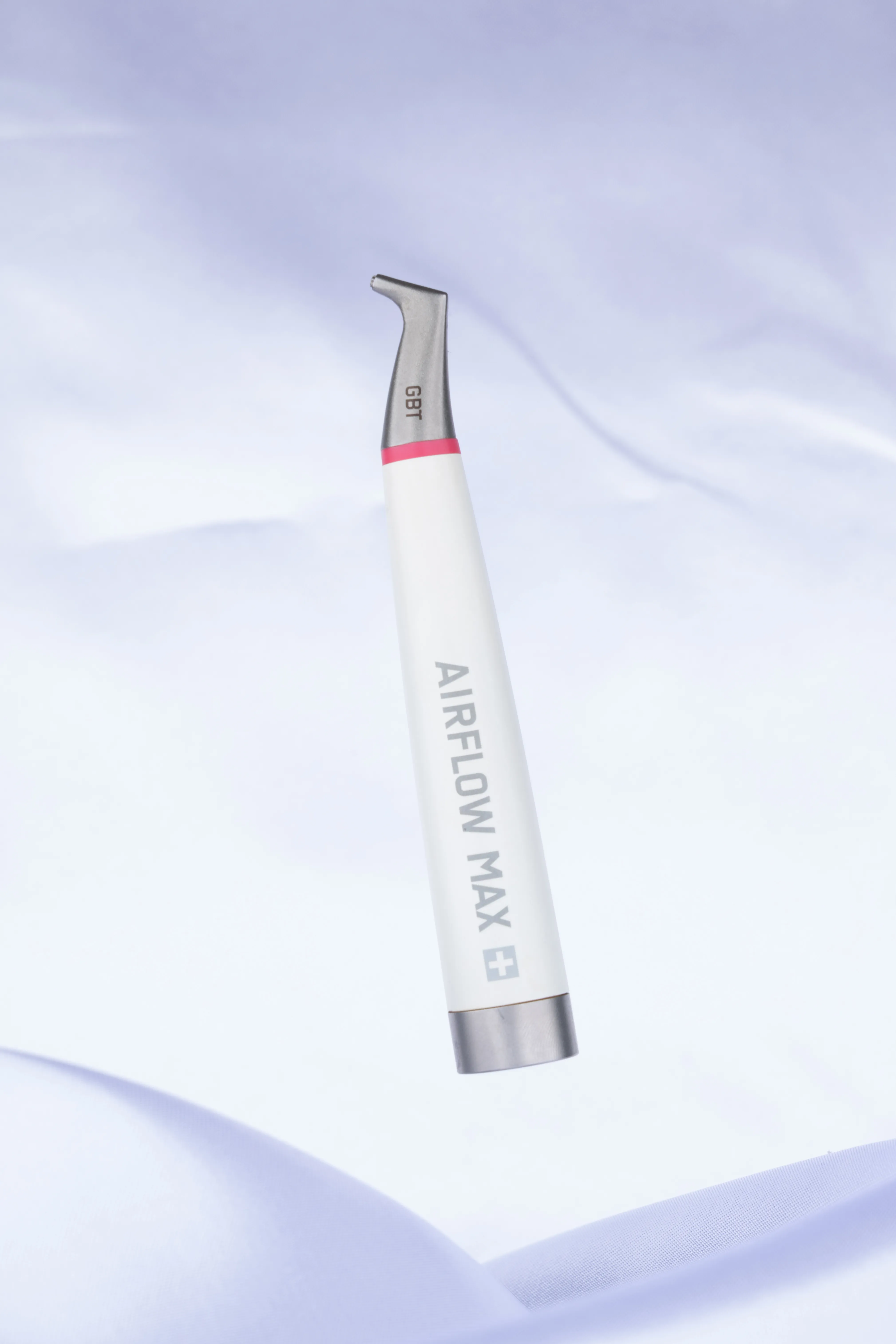
Most patients find our EMS Airflow cleaning more comfortable than traditional scraping. If you have sensitivity, we can adjust our approach. Sedation is available for patients with dental anxiety.
Plan for about 60 minutes. We don't rush. Your appointment includes the cleaning itself plus a full gum health assessment and review with Dr. Chris.
Most dental insurance plans cover two preventive cleanings per year at 100%. If you need more frequent cleanings due to gum disease, coverage varies by plan. We verify your benefits before your visit.
A regular cleaning removes plaque and tartar above and just below the gumline. A deep cleaning (scaling and root planing) treats active gum disease by cleaning deeper pockets and smoothing root surfaces. We'll tell you which one you need based on your pocket depth measurements.
Yes. We'll start with a full evaluation to see where things stand. Depending on what we find, you may need a standard cleaning, a deep cleaning, or a phased approach. No judgment. We meet you where you are.
Without insurance, a routine cleaning with a basic exam typically runs $150 to $250. That price generally covers plaque and tartar removal, polishing, and a check of your teeth and gums.
Costs can go up if you need a deep cleaning (scaling or root planing) for gum disease, or if X-rays are part of the visit, since those aren't included in a standard cleaning and exam.