



Stop Small Problems Before They Become Big Ones
Most dental problems do not appear overnight. They build quietly over months and sometimes years, reaching a point where treatment becomes significantly more complex and far more costly than it ever needed to be.

At Livewell, prevention is not a formality before the real appointment begins. It is the foundation everything else is built on.

Why A Routine Cleaning Often Isn't Enough
If you have been relying on a standard cleaning every six months and wondering why things keep changing in your mouth, you are not alone. A basic cleaning addresses surface buildup, but it does not evaluate your bacterial levels, track your gum health over time, or give your provider any meaningful data about what is actually driving the problems you keep seeing. Without that information, every visit starts from scratch.
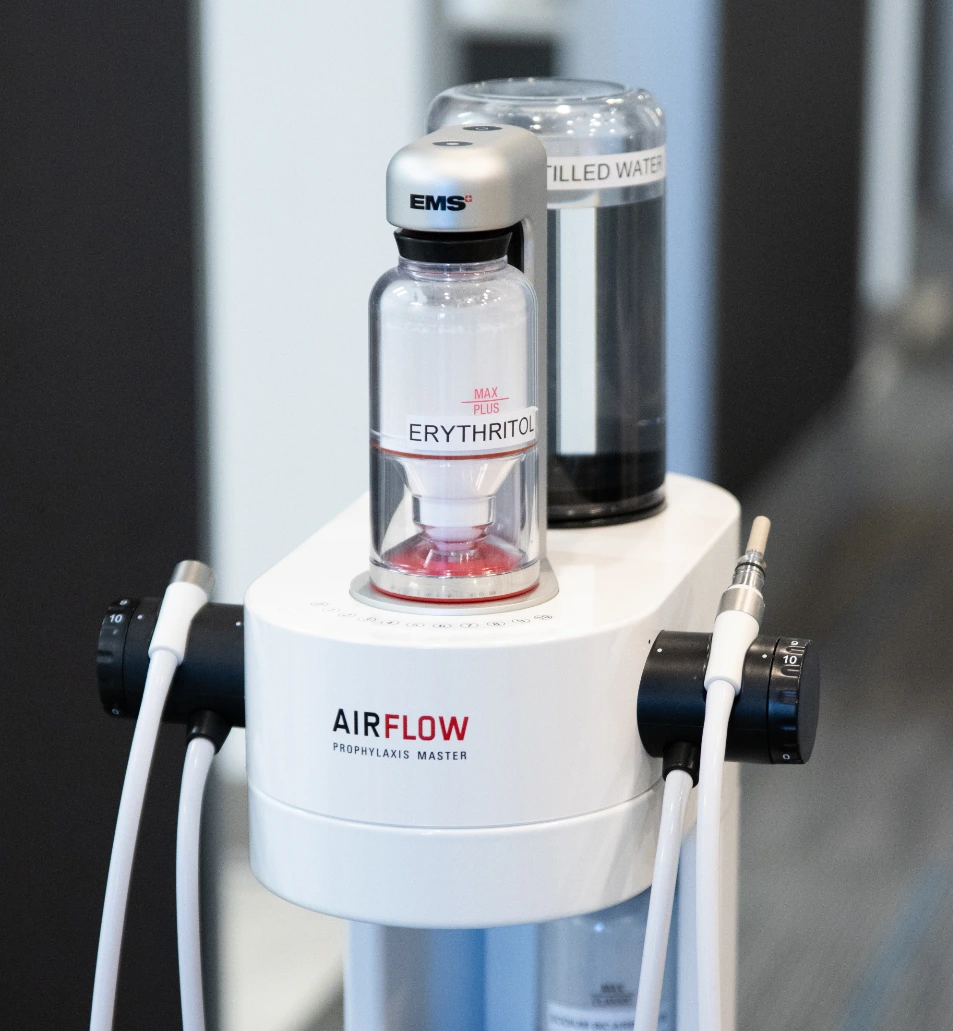
EMS Airflow®
the Ferrari of cleanings. Gentle, precise, and safe for natural teeth, porcelain restorations, and implants.
OralDNA® Salivary Testing
we find the exact bacteria causing your gum problems, then target them.
We match your care to your risk.
Low risk? Minimal intervention. High risk? More targeted care to stop the cycle.
The Data We Track So You Never Have To Guess
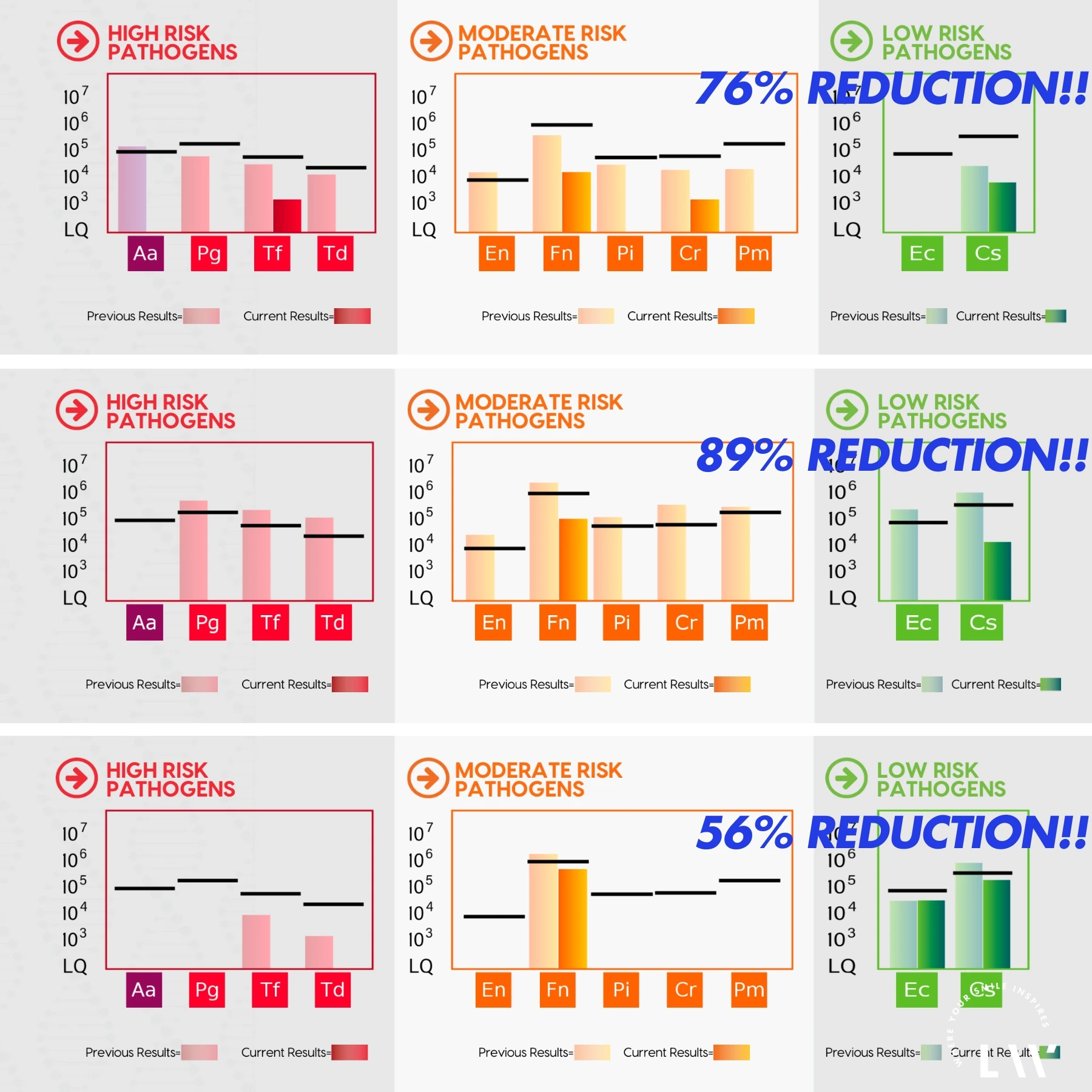
Telling a patient their gums "look okay" isn't useful. Showing them a 76% reduction in bacterial load since their last visit, with numbers to back it up, is.
Here’s how we track that story:

Salivary bacterial test when needed
.webp)
Show you side-by-side Progress over time

Evaluate gum health at every visit

Take high-res photos and 3D scans
When we can say, “Your bleeding dropped by 80% this year,” that’s not guesswork—it’s proof.
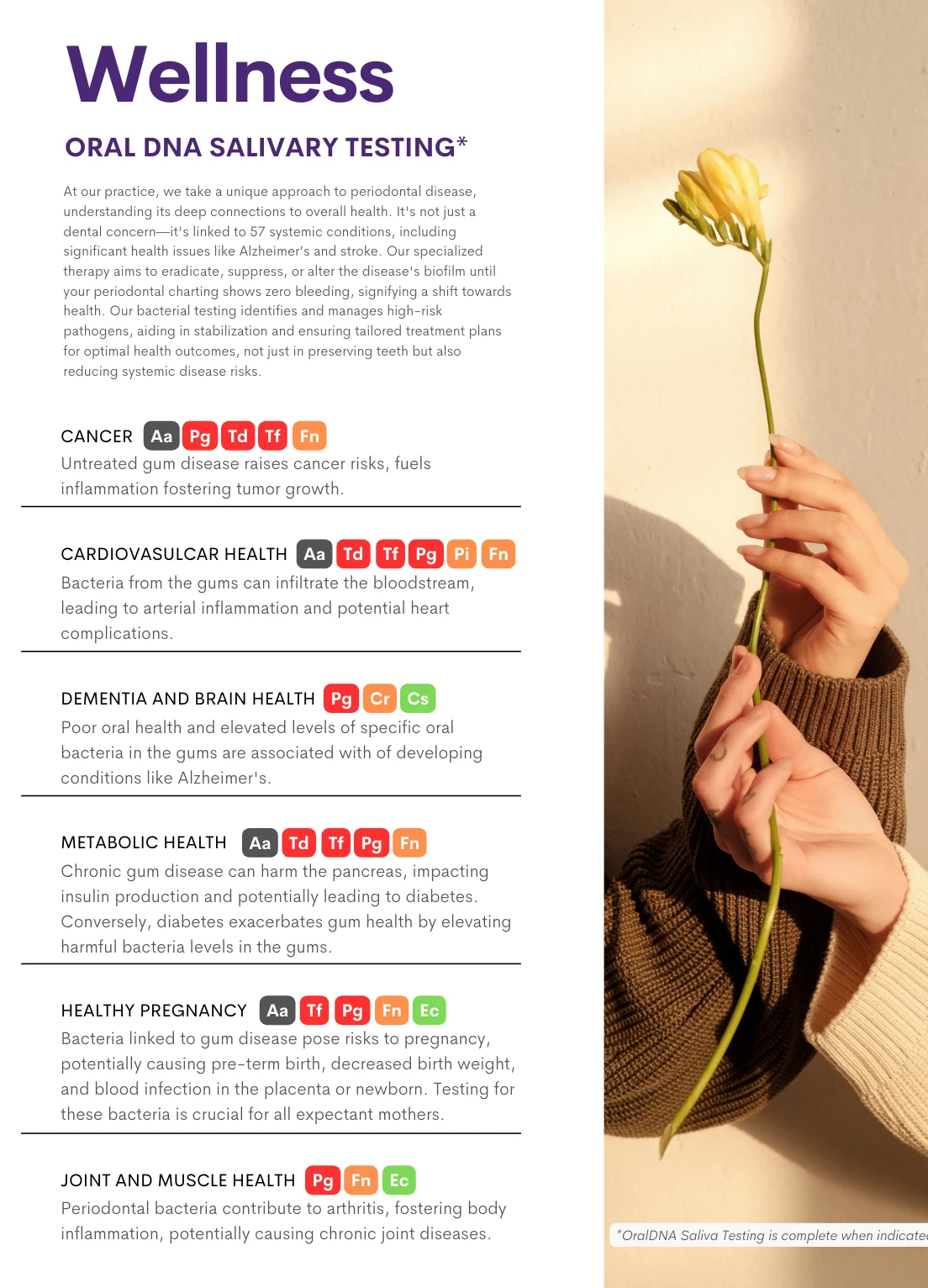
Gum Disease and Your Overall Health: What the Research Shows

Built for the Patient Who Wants to Stay Ahead
Most practices set up problems for the future. At Livewell, we set up solutions. Dr. Chris approaches every patient with a total health mindset, using data, documentation, and decades of continuing education to build a picture of your health that goes far beyond what shows up on an X-ray. Every visit adds to that picture. Every finding is tracked. Every recommendation is made with your next ten years in mind, not just your next appointment.
- Fellow of the Academy of General Dentistry. Fewer than 6% of dentists ever achieve this level of continuing education and clinical commitment.
- Over 10 years serving patients across Northern Virginia. A track record built on outcomes, trust, and patients who keep coming back and sending their families.
- Serving Fairfax Station, Burke, Springfield, Lorton, and surrounding communities. Conveniently located and built to serve the broader Northern Virginia area with the same standard of care regardless of why you came in.
.svg)
It depends on your bacterial risk and gum health, not a universal schedule. Some patients do well with twice-yearly visits. Others with active gum disease or high bacterial loads benefit from every three or four months. We determine your recall frequency based on your data.
Coverage varies by plan. We will help you check your benefits before ordering the test. Even when it is out of pocket, the cost is modest relative to what it saves in avoided treatment.
Bleeding gums are one of the earliest signs of bacterial infection in the gum tissue. It is common but not normal, and it is not fixed by brushing harder. It is a signal that the bacterial environment around your gums needs attention.
Gingivitis is early-stage gum inflammation, still reversible with proper treatment and home care. Periodontitis means the infection has progressed into the bone supporting your teeth. At that stage, the bone loss is permanent, though the disease itself can be managed and stopped.
Yes, which is why maintenance matters more than the initial treatment. The bacteria that cause periodontal disease can repopulate within weeks if the conditions are right. Consistent follow-up, proper home care, and periodic retesting keep it from returning.