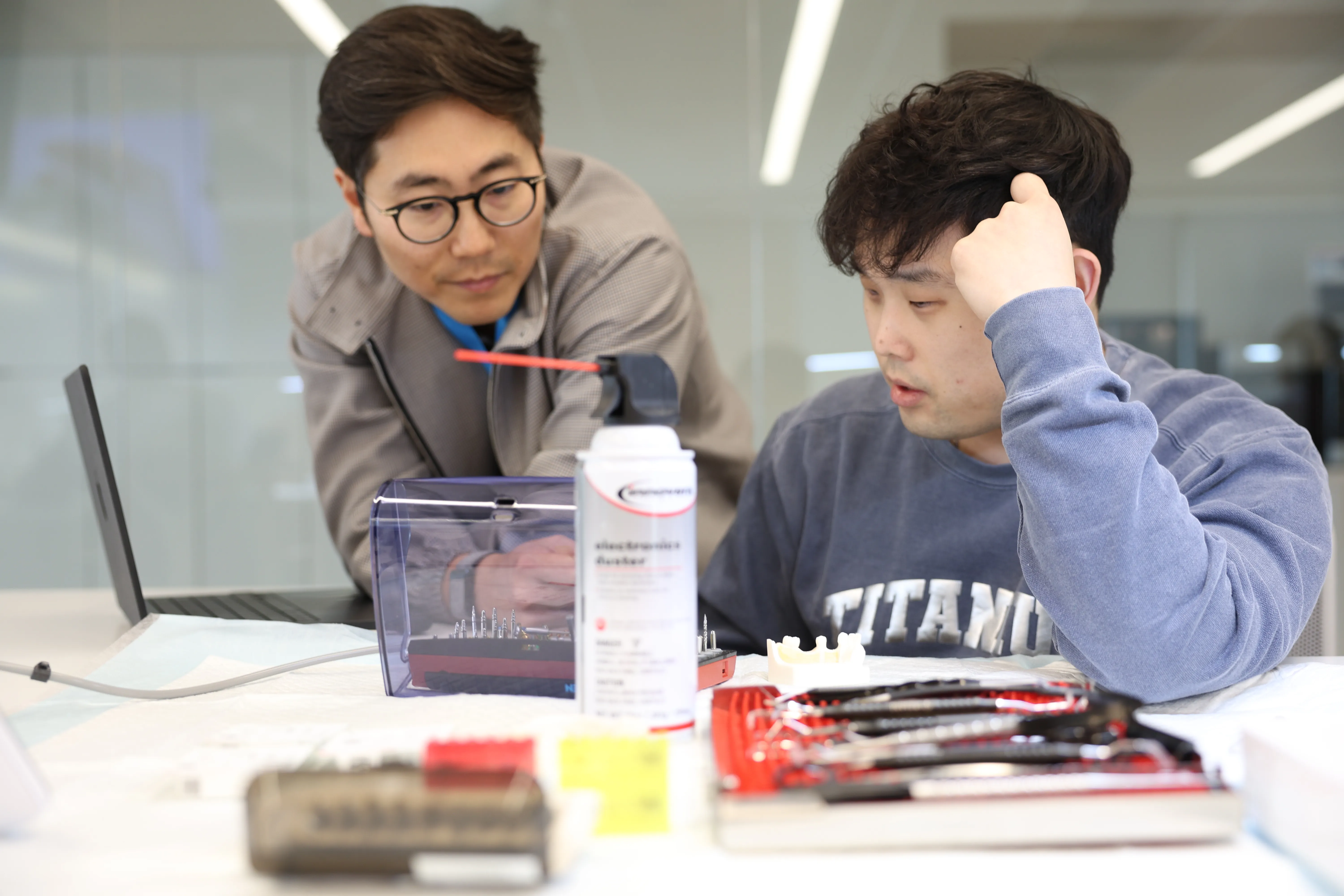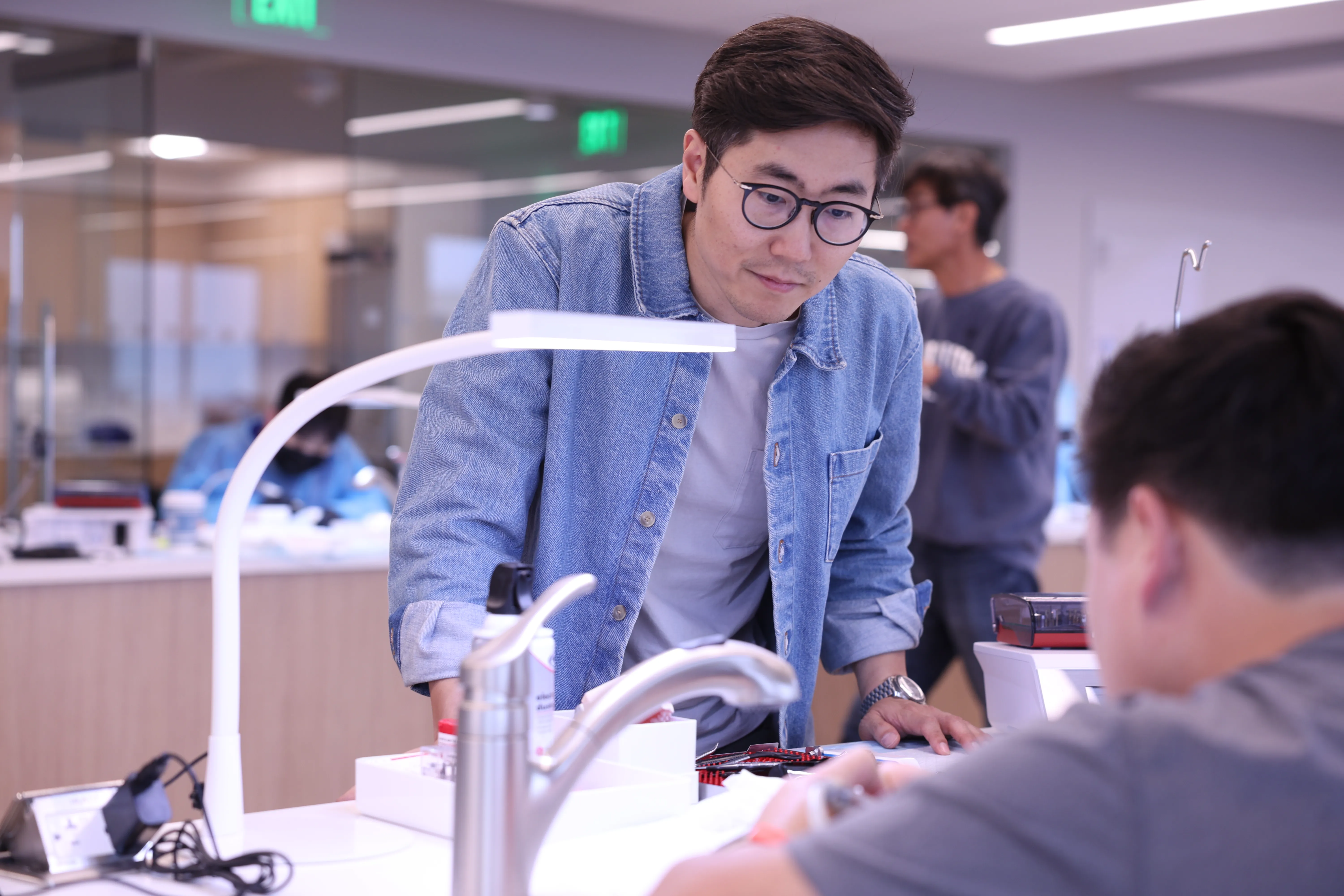

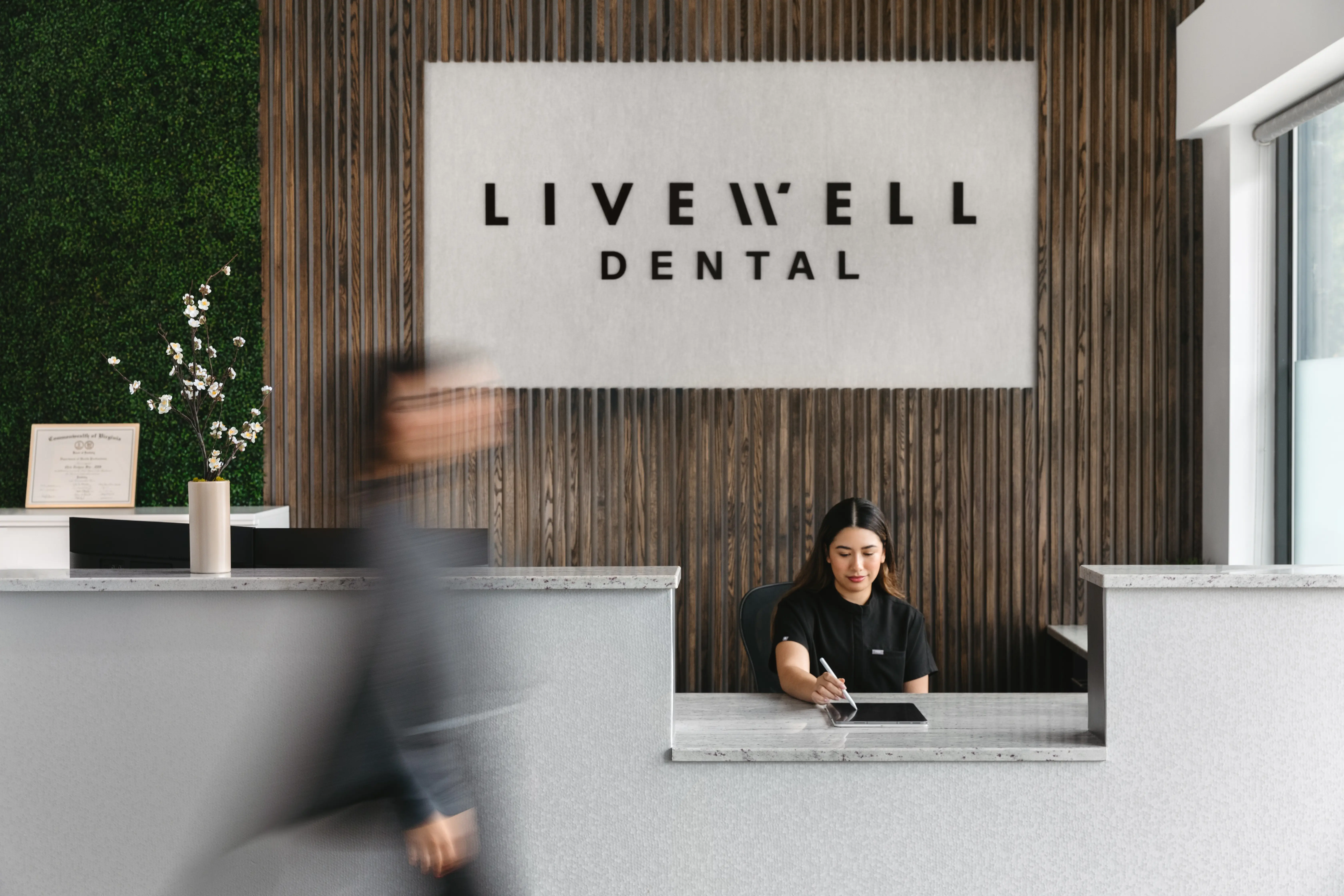
Livewell Dental office for locator-retained denture treatment in Fairfax Station, VALivewell Dental office for locator-retained denture treatment in Fairfax Station, VA

Locator-Retained Dentures in Fairfax Station, VA

Snaps onto dental implants for a more secure fit
Removable for cleaning, stable for everyday eating and speaking
Planned, placed, and fitted by Dr. Chris Kim when appropriate

You're Not Looking for a Denture That Almost Works

Dentures are often presented as a simple solution, but many patients know the daily reality can be frustrating. Adhesive may stop holding, the denture may shift while speaking, and eating can start to feel like a calculation instead of something you enjoy.


Before tooth loss, you probably did not have to think about these small moments. You could:
Bite into a sandwich, apple, or steak without planning every bite
Laugh in a room full of people without worrying about movement
Speak clearly without pausing to reposition anything
Eat at a restaurant and order what sounded good
Wake up and go through the day without thinking about your teeth
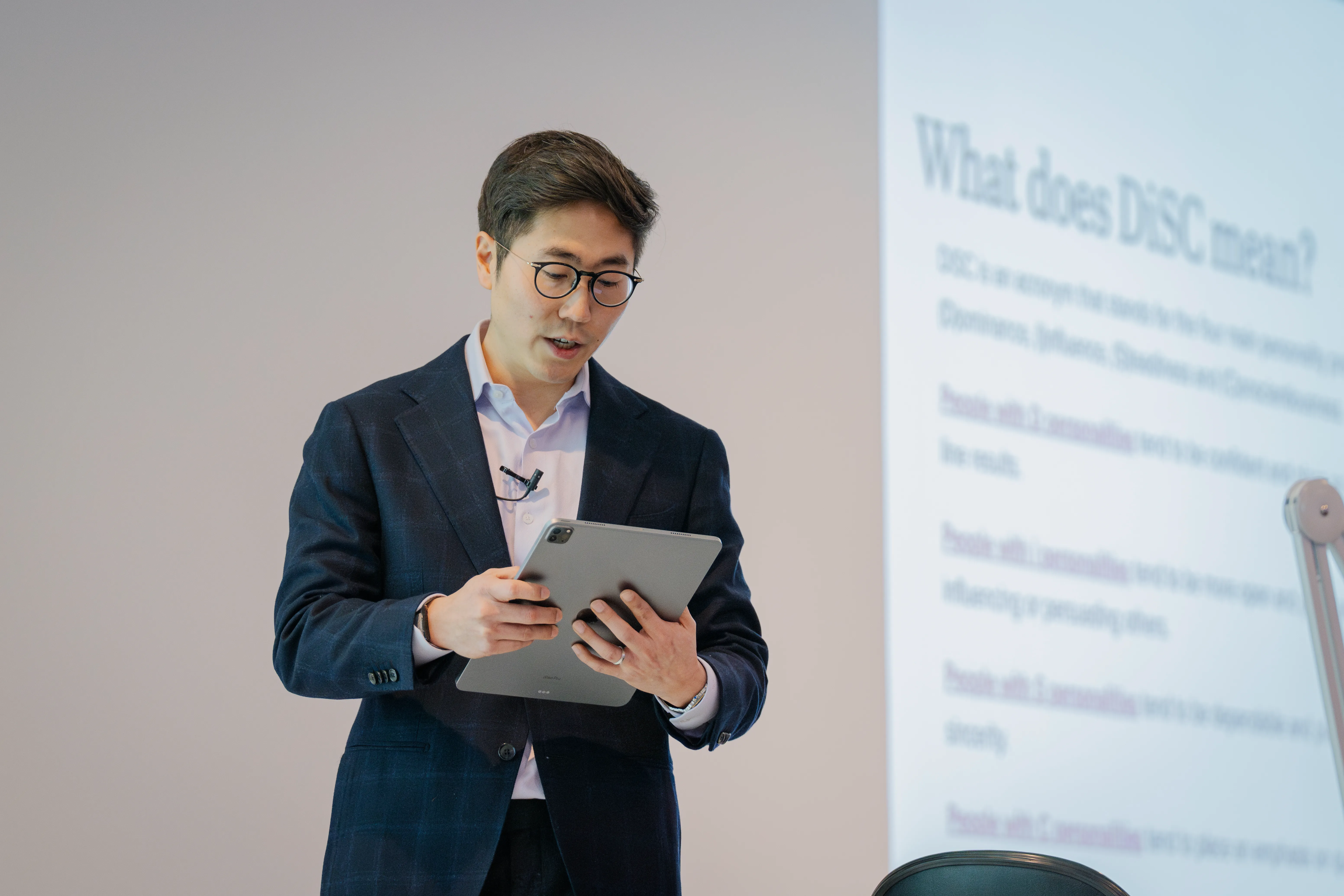
Dr. Chris Kim at Livewell Dental in Fairfax Station, VA
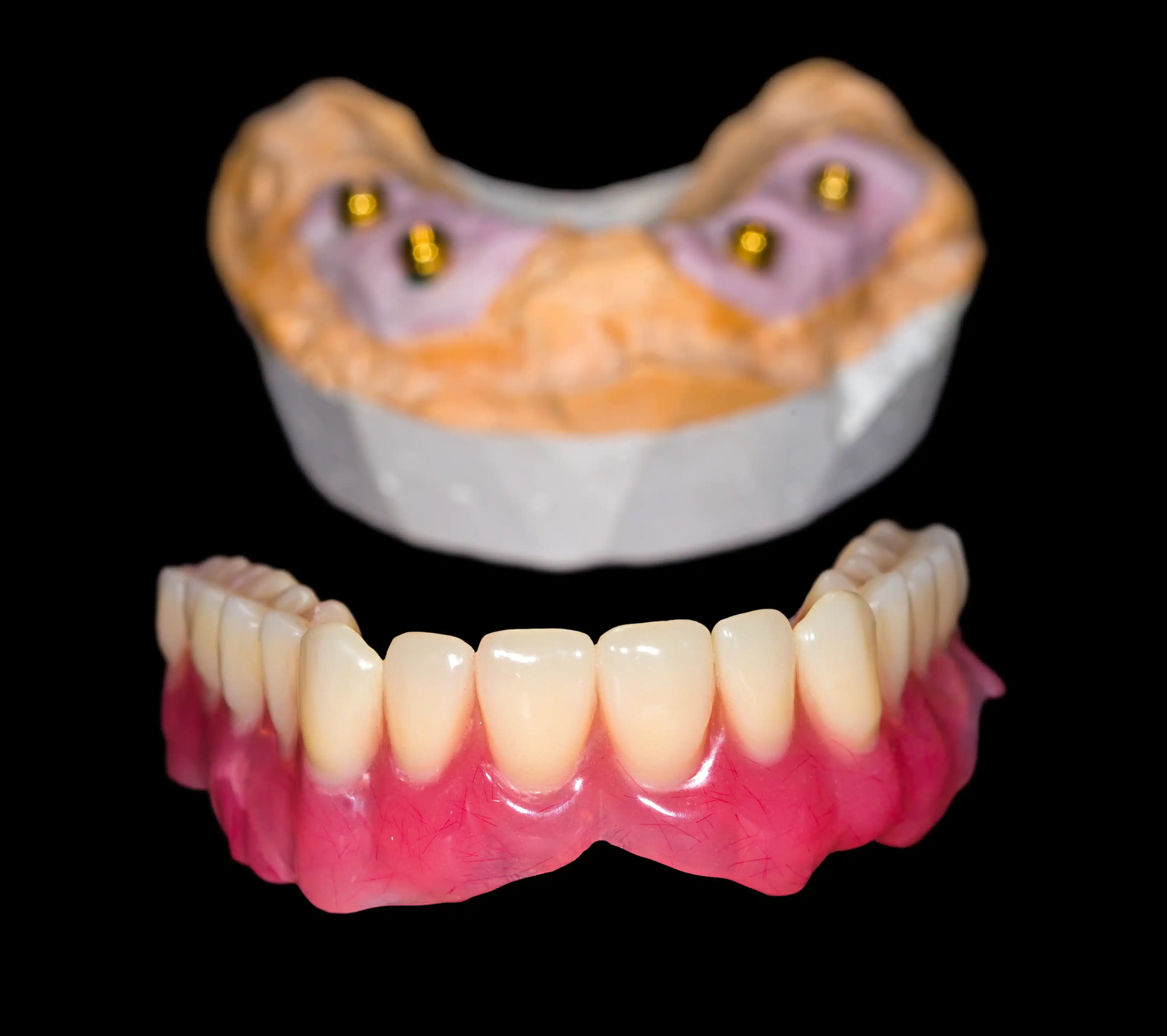
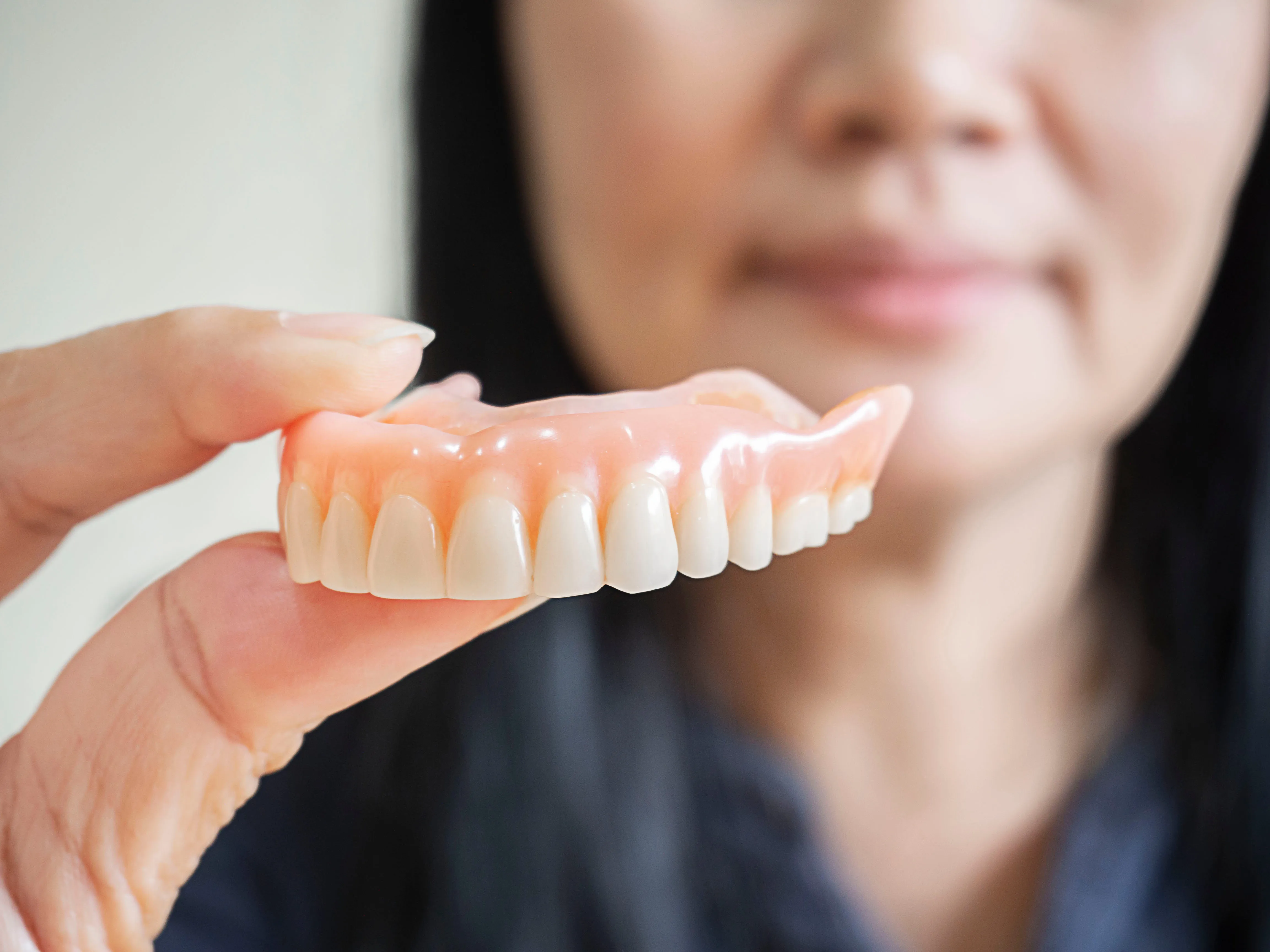
Removable locator-retained denture attached to dental implants

What Is a Locator-Retained Denture?

A locator-retained denture is a removable denture that snaps onto dental implants instead of resting only on your gums. Two to four implants are placed in the jawbone, and each implant receives a small connector called a locator abutment. The underside of the denture is fitted with matching housings that attach to those abutments.

When the denture is seated, it clicks into place for a more secure fit. When it is time to clean it, you remove it at home. The stability comes from the implants rather than suction or adhesive, so the denture has a stronger foundation than a traditional removable denture.

Are You a Candidate?
This is built for people living with a specific kind of frustration.
Your denture shifts when you eat, talk, or laugh, and adhesive is not solving the problem
You have sore spots or irritation from a denture that moves against your gums
You have given up foods you used to enjoy because chewing feels unpredictable
You avoid social meals, conversations, or events because of how your denture behave
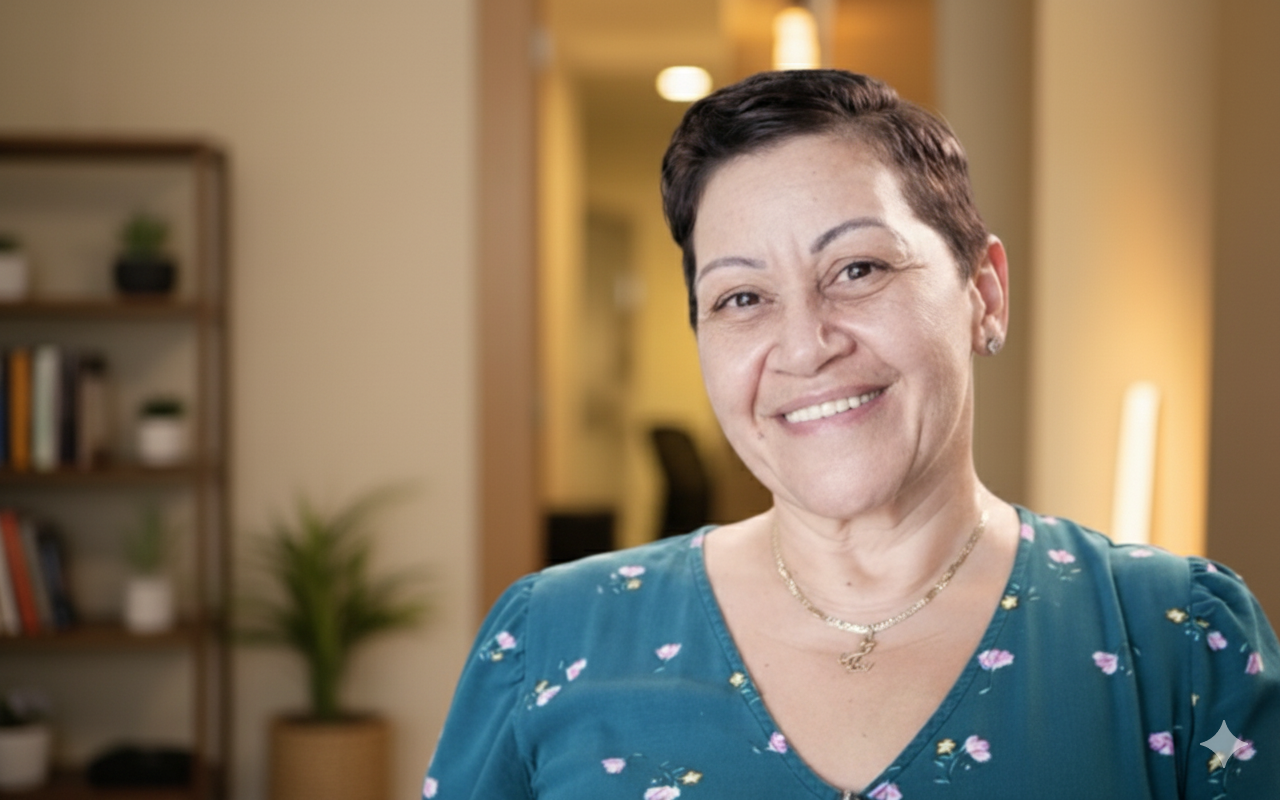
Smile result after full-mouth implant and restorative treatment at Livewell Dental

One Doctor Guiding the Surgery, Fit, and Final Smile

Denture problems often happen when the implants and the denture are planned separately. At Livewell Dental, Dr. Chris Kim looks at the full picture from the beginning: your bone, bite, facial support, smile shape, and how the denture should feel when you talk, chew, and smile.

Because the implant plan and denture design are connected, your treatment can be planned with better accuracy, clearer communication, and a more maintainable long-term result.

  • Implant positions are planned around the final denture
  • Your bite and facial support are considered from the start
  • Fewer handoffs between providers
  • A clearer plan before treatment begins
  • A denture designed to feel more stable and natural

Locator-Retained Dentures, Done the Livewell Way

Every case starts with diagnosis, digital planning, and a clear understanding of how your denture should fit, function, and feel.
1
Full Diagnostic Imaging
A CBCT scan gives us a three-dimensional view of your jawbone, including bone volume, bone density, and the location of important structures. We also use clinical photographs and digital impressions to document your current denture, bite, and gum shape before treatment begins.
2
Implant Planning and Placement
Two to four implants may be placed in the jawbone depending on your anatomy, arch, bone quality, and treatment goals. The implant positions are planned using your 3D imaging and digital records before the appointment. Treatment is performed with local anesthesia, and comfort options can be discussed if you feel anxious.
3
Healing and Bone Integration
The implants need time to integrate with the jawbone. This healing phase often takes several months, depending on your health, bone quality, and whether any supporting procedures were needed. During this period, you may continue wearing your existing denture if it can be safely adjusted to avoid pressure on the implant sites.
4
Locator Abutment and Denture Fitting
Once the implants are ready, locator abutments are attached. Your denture may be newly made from digital records or your existing denture may be modified with locator housings when appropriate. We test the fit, retention, tissue contact, and how evenly the denture seats on the attachments.
5
Bite Verification and Maintenance Plan
We check how your denture comes together when you bite, chew, and move your jaw. Adjustments are made as needed for comfort and function. Before you leave, we show you how to remove and clean the denture, care for the abutments, and schedule maintenance visits. The small retention inserts may need periodic replacement as they wear over time.

Technology That Helps Us Plan the Fit Before We Begin

Locator-retained dentures work best when the implants, bite, gum shape, and final denture are planned together. These tools help us understand your anatomy, design with more accuracy, and make each step feel clearer before treatment begins.

CBCT 3D Imaging

CBCT imaging gives us a 3D view of your jawbone, nerves, sinuses, and available implant space. For locator-retained dentures, it helps Dr. Chris plan where implants may be placed safely and how they can support the final denture.

3D Printing & Guided Surgery

Using data from your 3D scan, a surgical guide can be designed to help control the planned angle, depth, and position of each implant. This supports more accurate placement than relying on feel alone.

CLEAN Implant System

We choose implant systems with strong quality standards and biocompatible surface design. What we place in your body matters, so we do not cut corners on implant selection.

PRF / PRP / CGF

For selected patients, growth factors derived from a small sample of your own blood may be used to support the body’s natural healing response after surgery or grafting.

Surgical Piezosurgery

An ultrasonic surgical tool that can help us work more precisely around delicate areas. In selected cases, it may reduce trauma to surrounding tissues compared with traditional instruments.

Modern sedation and comfort techniques

Comfort options help patients feel calmer and more prepared during implant treatment. We review your health history and choose the safest approach for your needs.

Locator-Retained Dentures Are Not the Only Option

If locator-retained dentures are not the right fit, we will help you compare other implant-supported options.

All-on-X

A fully fixed arch supported by four to six implants. It is screwed into place permanently and can only be removed by a dentist. It functions and feels closest to natural teeth. Best for patients who want a non-removable solution and are ready to invest in a permanent restoration.

learn more
 Implant-Supported Bridge

A fixed bridge anchored by two or more implants. It replaces a section of missing teeth without a removable prosthetic. Best for patients who are missing several teeth in a row but still have healthy teeth supporting the rest of the arch.

learn more

Implant Experience That Extends Beyond the Practice

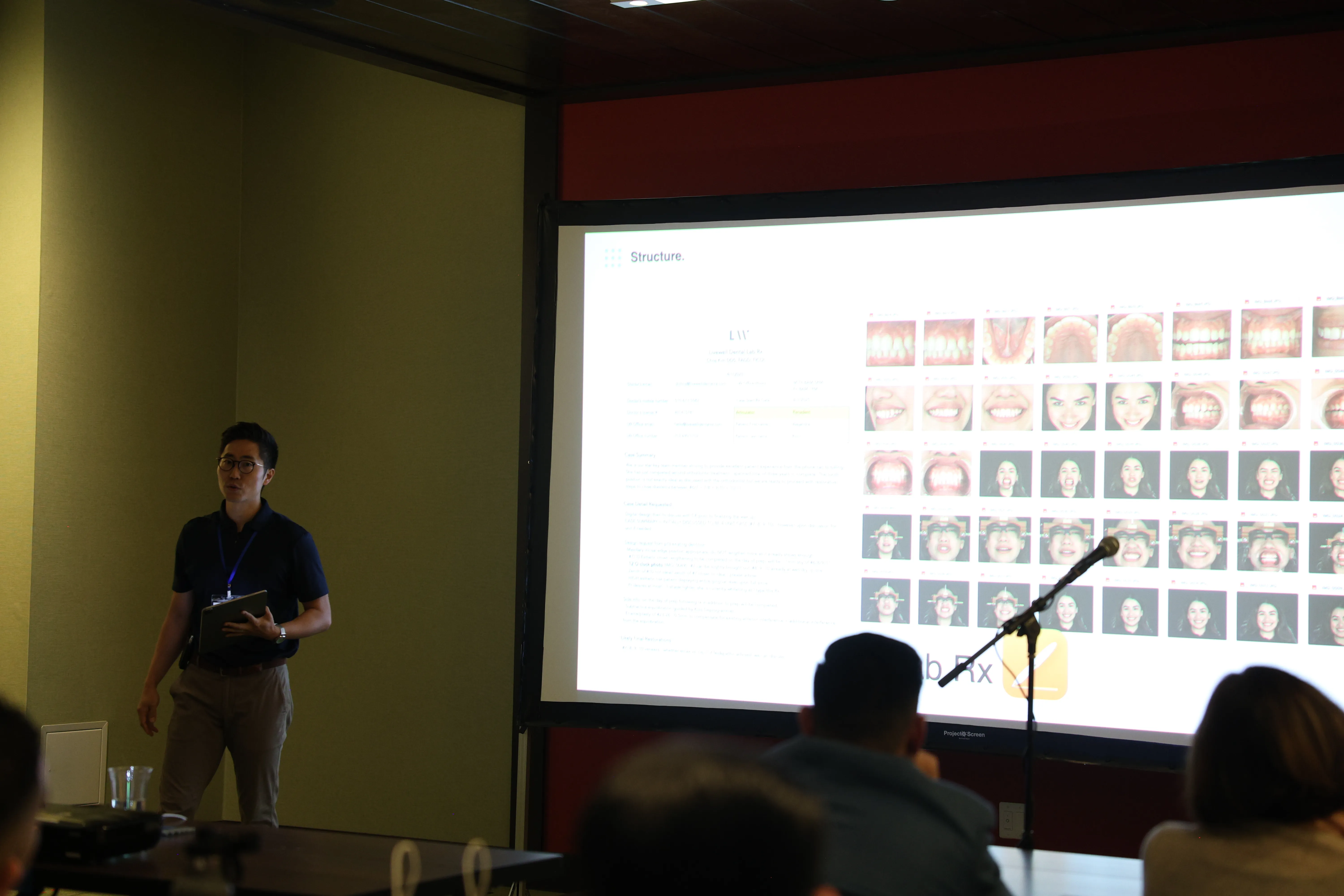
Dr. Chris is a Clinical Instructor at Implant Accelerator, where he helps other dentists develop their skills in implant planning and treatment. That teaching role reflects the same standard he brings to patient care at Livewell Dental: thoughtful diagnosis, careful planning, and dentistry that is built around the final result.
Dr. Chris Kim teaching implant dentistry techniques
Dr. Chris Kim at an implant dentistry training course
Dr. Chris Kim presenting clinical implant education
Dr. Chris Kim teaching advanced implant planning
Dr. Chris Kim demonstrating implant treatment planning

Ready for a Denture That Feels More Secure?

If your denture slips, feels uncomfortable, or keeps you from eating and smiling with confidence, locator-retained dentures may be the next step. We will evaluate your bone, bite, current denture, and goals, then explain what is possible in clear, simple terms.
Livewell Dental office interior in Fairfax Station, VA
What is the difference between a locator-retained denture and a snap-in denture?

They usually refer to the same general type of treatment. “Snap-in denture” is the common patient-friendly term. “Locator-retained denture” refers to a denture that attaches to locator-style abutments connected to dental implants. The denture is still removable, but it clips onto implants for more stability than a traditional denture.

Is a locator-retained denture the same as All-on-X?

No. A locator-retained denture is removable and snaps onto implants. You take it out at home for cleaning. All-on-X is a fixed full-arch restoration attached to implants and removed only by the dental team for maintenance. Locator-retained dentures are often a more affordable removable option, while All-on-X is a non-removable full-arch solution.

How many implants do I need for a snap-in denture?

The number depends on your arch, bone quality, anatomy, and goals. Many lower locator-retained dentures use two implants, while upper dentures often need more support because the bone and chewing forces are different. Dr. Chris Kim uses 3D imaging to evaluate your case and recommend the number of implants that fits your anatomy.

Are snap-in dentures worth it compared to regular dentures?

For many patients who can receive implants, locator-retained dentures offer a meaningful improvement in stability compared with traditional dentures. A conventional denture rests on the gums and often relies on suction or adhesive. A locator-retained denture attaches to implants, which can make eating, speaking, and daily wear feel more secure. The tradeoff is the cost and the implant procedure, so a proper evaluation is important before deciding.

How long do snap-in dentures last before they need to be replaced?

The implants are designed as long-term supports, but their lifespan depends on bone health, gum health, hygiene, bite forces, and regular maintenance. The removable denture itself may need repair, relining, or replacement over time depending on wear and fit. The small retention inserts that create the snap-in connection also wear down and need periodic replacement during maintenance visits.

Frequently Asked Questions