




.svg)

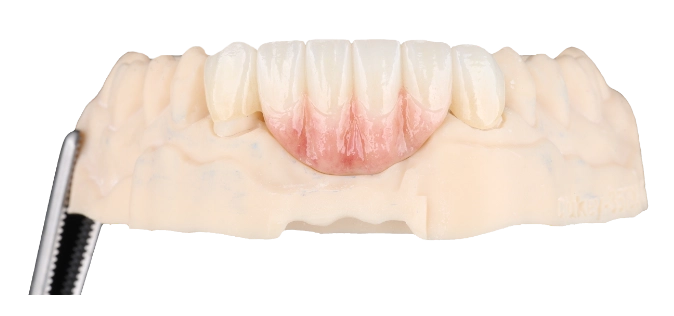
Bridge Work Is Only as Good as the Planning Behind It
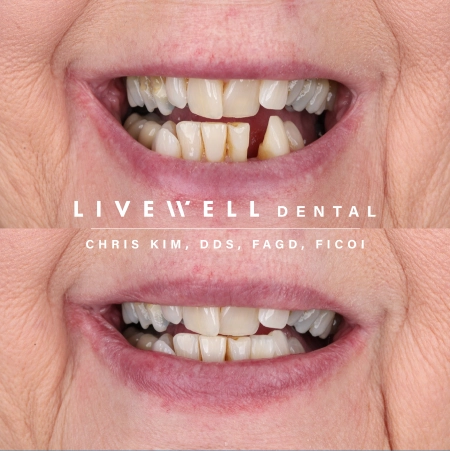
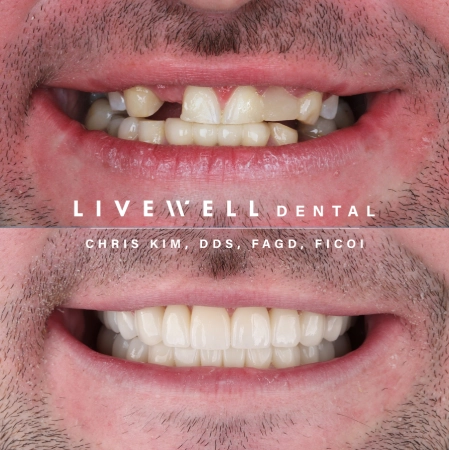
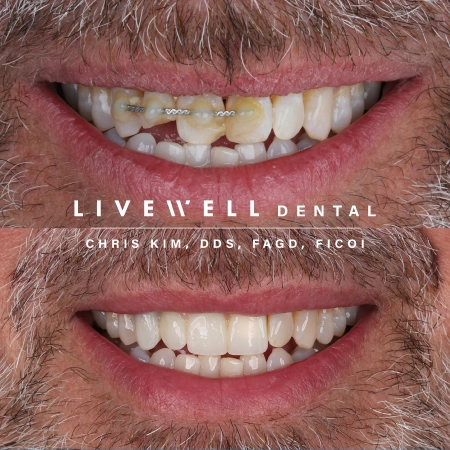
Dental bridges are one of the most common restorations in dentistry, and they are also one of the most commonly done in a hurry. The neighboring teeth get prepped, an impression gets taken, a lab fabricates something, and it gets cemented in. The appointment took an hour. The result lasts a few years before something starts feeling off.
A bridge can close a gap left by one tooth or several. Whether the loss was from decay, a break, or a previous extraction, the right type of bridge depends on the position of the gap and the condition of the surrounding teeth.
Most bridges rely on the teeth beside the gap to provide support. If those teeth are intact and in good shape, they can hold a bridge reliably for many years.
Implants are often the better long-term answer for a single missing tooth, but they involve a surgical procedure and a longer overall timeline.
.webp)
Three Types of Bridges. One Right Choice for Your Situation.
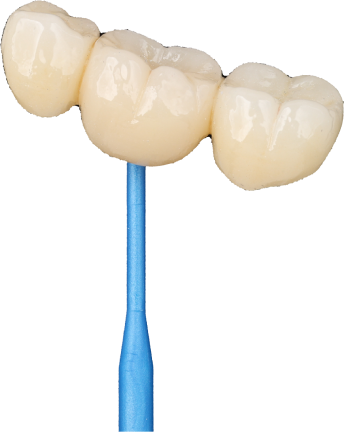
Tooth-Supported Bridges
The most widely used type. The teeth on both sides of the gap are prepared to receive crowns, and a replacement tooth is built between them. The bridge is one connected piece that gets permanently cemented in place.
- No implant surgery or healing period required
- Custom-shaded to match surrounding teeth
- Designed around your bite, not just the gap
- Built to distribute chewing forces evenly across anchor teeth
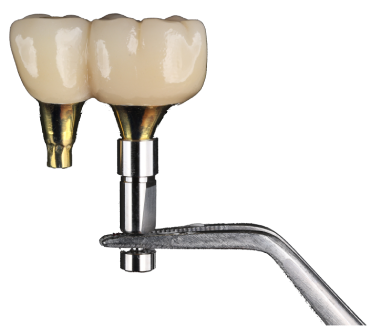
Implant-Supported Bridges
Instead of relying on the natural teeth beside the gap, this type uses titanium implant posts placed in the jaw as the foundation. The bridge attaches to the implants, and the neighboring teeth are left completely untouched.
- No grinding down of healthy neighboring teeth
- Implants preserve the jawbone beneath the gap
- Closest to natural tooth function and feel
- Each bridge chosen based on what will support your unique smile best
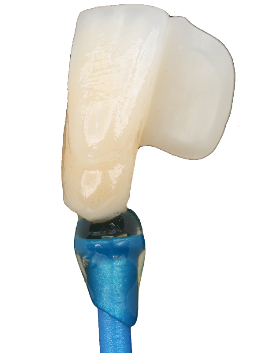
Maryland Bridges
A bonded bridge uses a false tooth with small attachment wings that bond to the back surface of the neighboring teeth. It is a conservative option because it does not require reshaping those teeth.
- No crowning of neighboring teeth
- Best suited for younger patients or temporary solutions
- Appropriate for front teeth in low bite-pressure zones
- Not recommended where strong chewing forces are present
How We Build A Bridge At Livewell
When the finished bridge arrives, we check the contact points, test the bite from multiple angles, and make any needed adjustments before it is permanently cemented. The goal is a bridge that settles in within a few days and stops demanding your attention entirely.
This Practice Was Built Around Care, Not Capacity
A lot of dental offices are designed around throughput. More chairs, more patients per hour, faster procedures. That model has consequences for the quality of what gets placed in your mouth and how long it stays there.
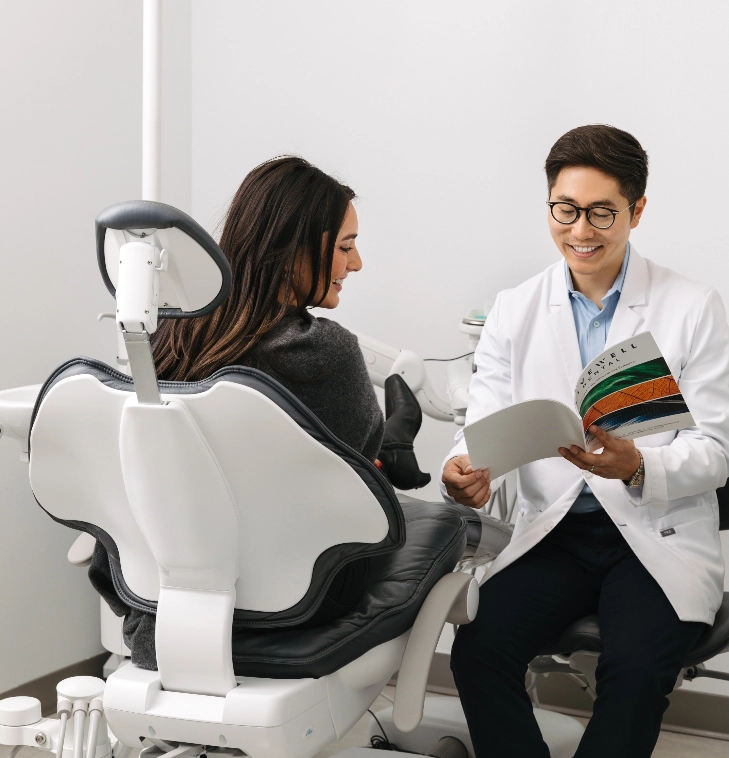
At Livewell, each appointment belongs to one patient. Dr. Chris is in the room with you, reviewing your case, making the clinical decisions, and doing the work. The same person who assessed your bite and designed your bridge is the one placing it. That continuity matters more than most patients realize until they experience the difference.
- Private rooms, one appointment at a time
- 3D imaging and digital design tools at every stage
- Direct access to Dr. Chris throughout your treatment
- Digital smile preview before any preparation begins
Which Bridge Is Right For You?
Tooth-Supported Bridge | Implant-Supported Bridge | Maryland Bridge | |
|---|---|---|---|
| How it works | Porcelain bridge anchored by crowns placed on teeth flanking the gap | Bridge attached to titanium implants placed directly in the jawbone | Porcelain tooth bonded to backs of adjacent teeth with resin wings |
| Adjacent teeth affected | Yes, must be permanently crowned | No, left completely untouched | Minimally, no crowning required |
| Preserves jawbone | No | Yes, implants stimulate bone | No |
| Chewing stability | Very good | Excellent, closest to natural | Moderate, front teeth only |
| Best suited for | Patients whose neighboring teeth already need crowns | Patients with healthy bone who want the longest-lasting result | Front teeth replacements where bite pressure is low |
| Not recommended for | Patients with healthy neighboring teeth who want to keep them intact | Patients with significant bone loss without grafting | Back teeth or high bite-force areas |
| Expected lifespan | 10 to 15 years | 20 plus years | Shorter term, situational |
| Starting investment | From $3,000 | From $4,500 | From $1,500 |

.svg)
From Dr. Chris
“The best dentistry should feel invisible. You shouldn’t have to think about it every day. That’s our goal—quietly excellent care that supports your health and fits into your life without distraction.”

Tooth-supported bridges use neighboring teeth as anchors. Implant-supported bridges are held by titanium implants placed in the jaw. We help you choose based on what is healthiest and most sustainable for your situation.
With good care, most fixed bridges last 10 to 15 years or more. Implant-supported bridges can last even longer.
Yes. We often see patients seeking second opinions or wanting to update older restorations. We are happy to review your current situation and explore options.
That is always the goal. We work closely with expert ceramists to match your natural tooth shape, color, and translucency, not just using tabs but through photography, shade analysis, and communication rooted in aesthetic dentistry principles.
Over time, nearby teeth may shift, your bite may change, and the jawbone where the tooth was can deteriorate. Restoring the space supports overall function and helps protect your long-term health.
A dental bridge typically runs $3,500 to $7,500, depending on the type of bridge, the materials used, and how many teeth need replacing.
Good to know: dental insurance typically covers bridges as major restorative work — often around 50% — which can meaningfully lower your out-of-pocket cost.