

Precision, Comfort, and Clarity by Design
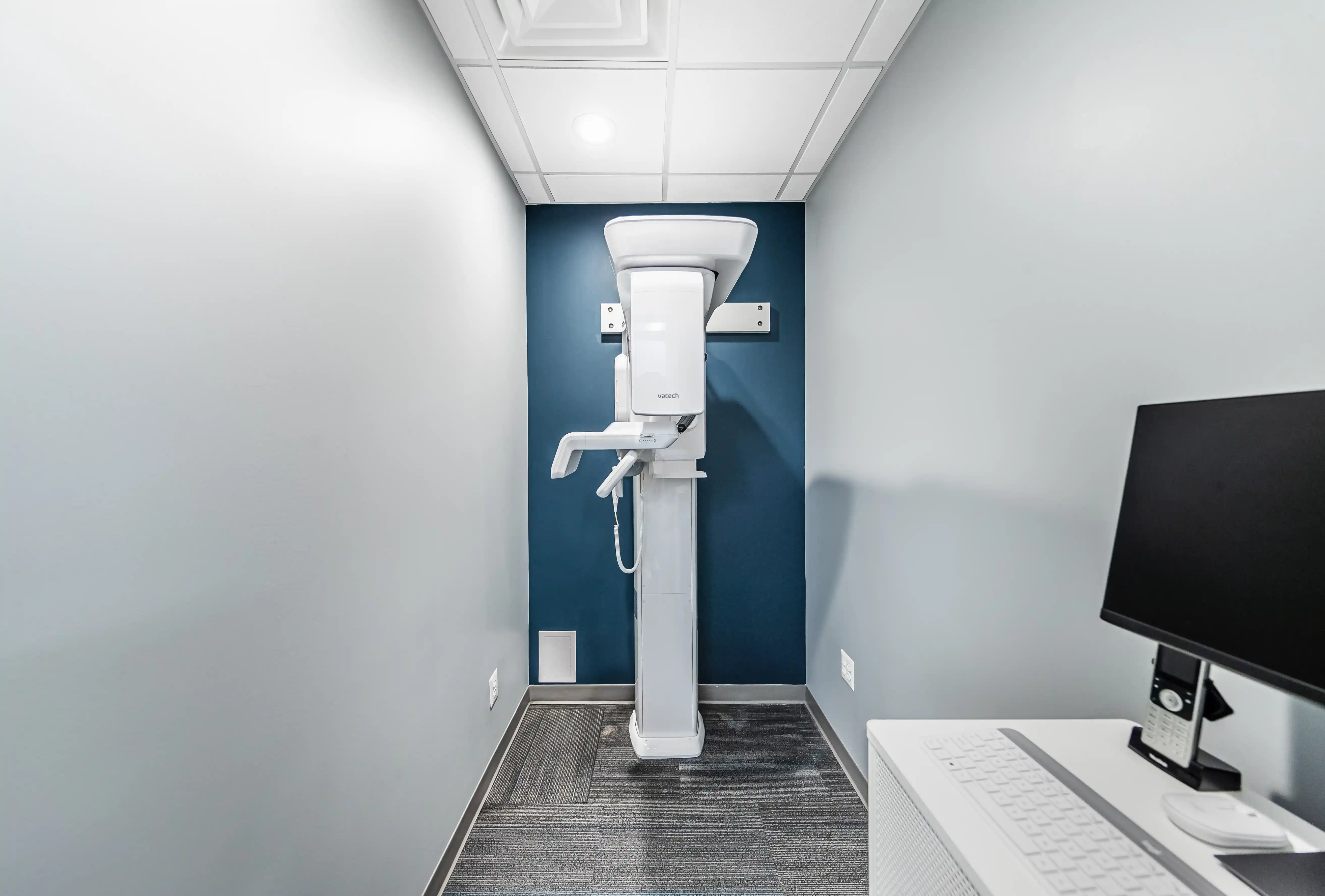
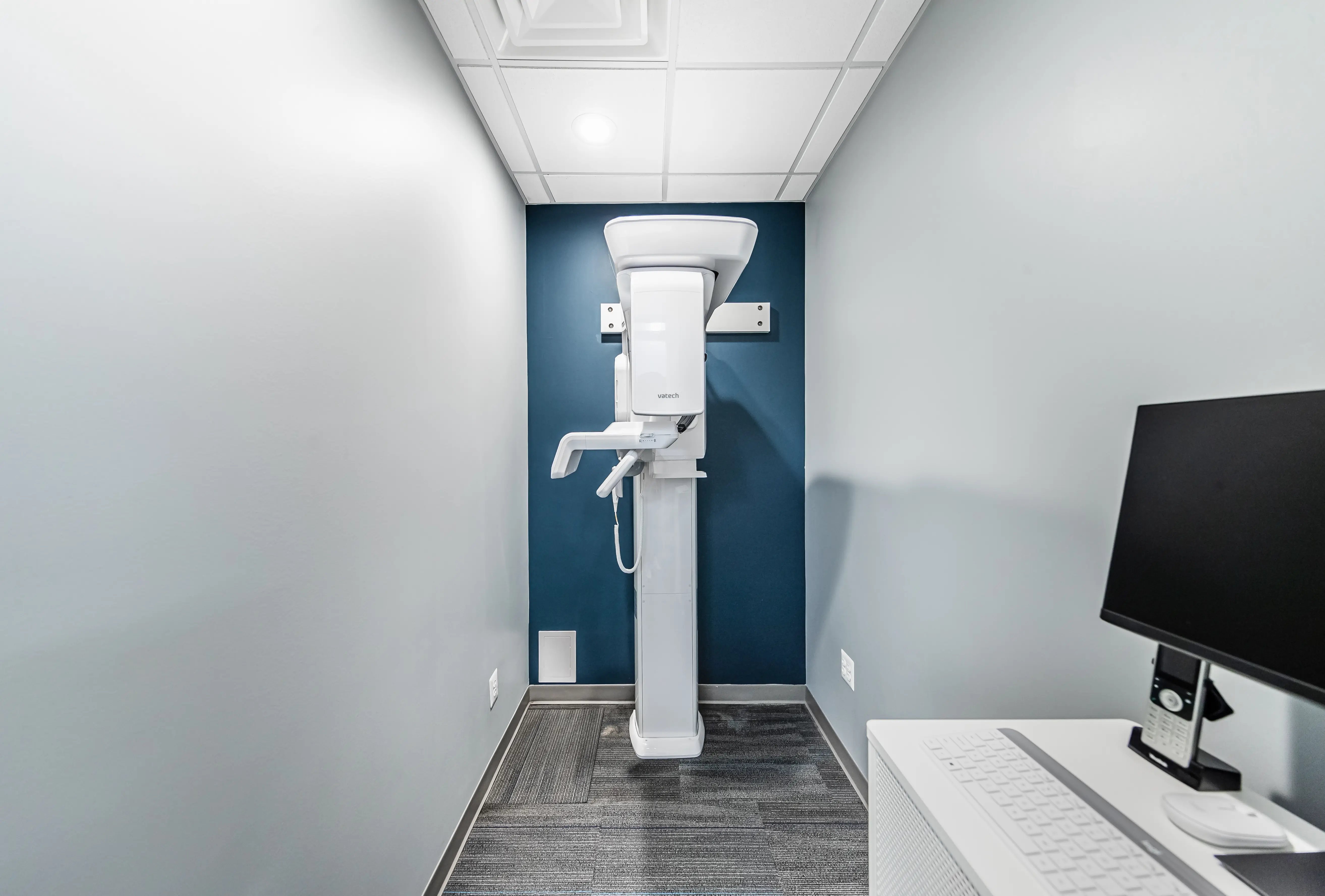
CBCT 3D Imaging
The more we can see before treatment, the fewer surprises you should face during it.
CBCT gives us a 3D view of your teeth, bone, roots, nerves, sinuses, and jaw anatomy. That matters because some concerns are difficult to detect on flat X-rays, and surgical care depends on knowing exactly where the important structures are before we begin.

Detect hidden concerns that flat X-rays can miss.
Find problems earlier, when treatment may be simpler.
Map bone, nerves, roots, and sinuses before surgery.
Combine 3D imaging, digital scanning, and 3D printing to create surgical guides when they support the plan.
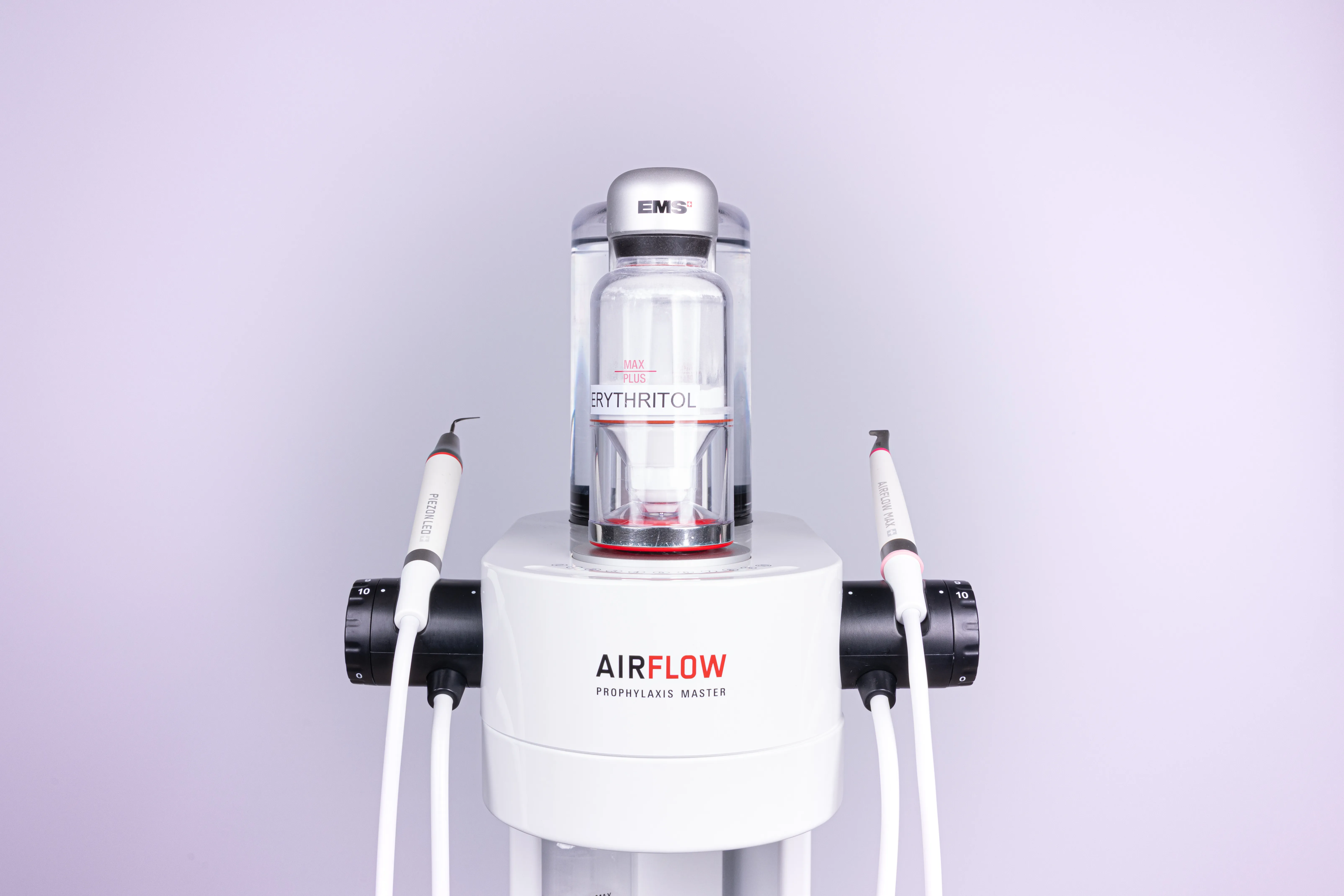
EMS Airflow
Your cleaning should protect the dentistry you invested in.
EMS Airflow is the most advanced cleaning systems in dentistry, using warm water, air, and fine powder to gently remove stains and harmful buildup without being rough on teeth, gums, porcelain restorations, or implant surfaces.
Protect porcelain veneers, crowns, and restorations from unnecessary wear.
Clean around implants without damaging the surface that helps keep them healthy.
Remove stain and buildup more efficiently for a smoother, fresher visit.
Make cleanings feel more comfortable, especially for sensitive teeth and gums.
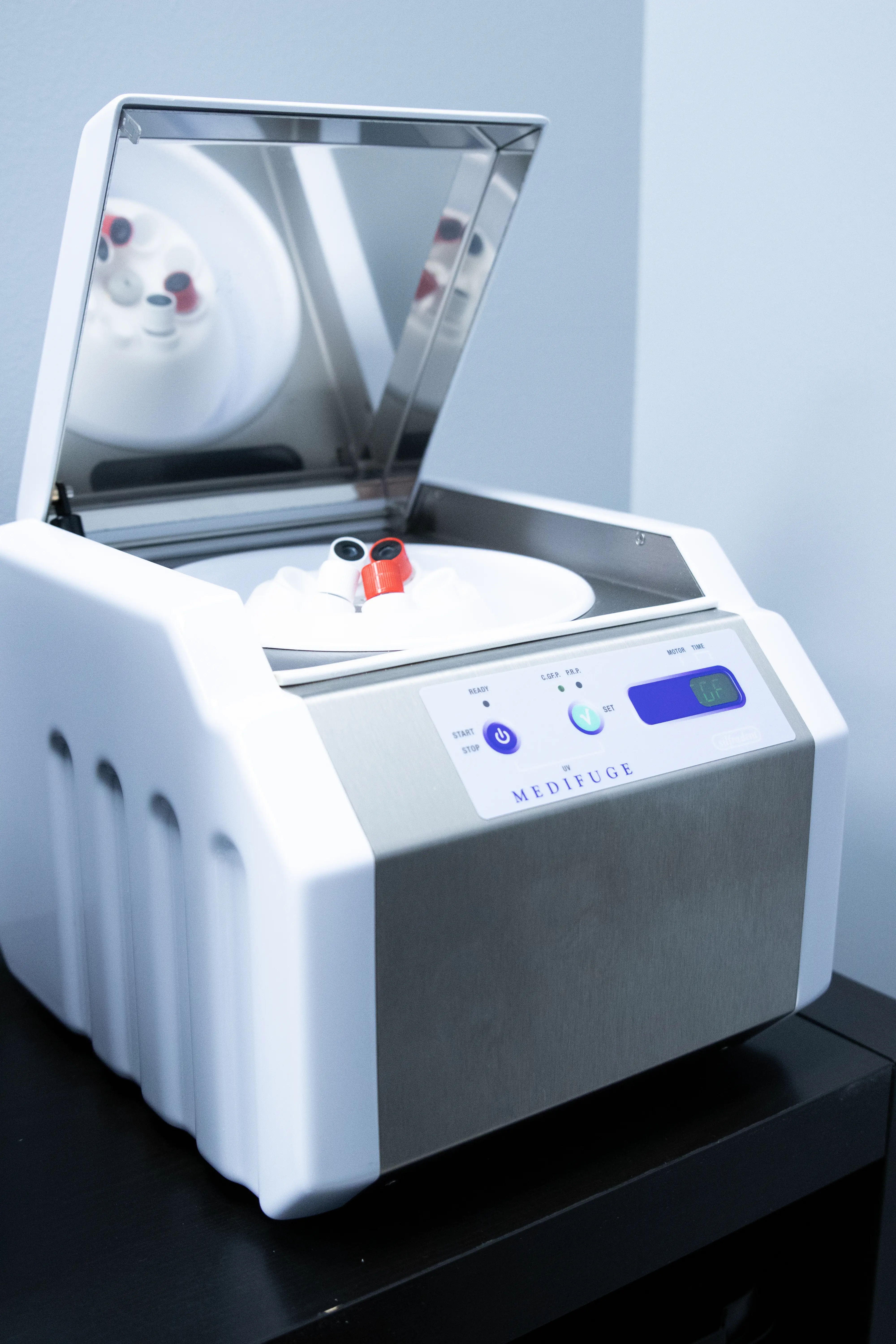
PRF and CGF Healing Support
Platelet-Rich Fibrin and Concentrated Growth Factors help your body heal with less stress.
PRF and CGF are made from a small sample of your own blood and placed directly where healing needs to happen. They help calm inflammation, support tissue repair, and jump-start your natural healing process, which is why many patients are surprised by how manageable recovery feels after surgery.
Support healing after implants, bone grafting, and surgery.
Help reduce swelling, soreness, and inflammation.
Use your own natural healing cells with no synthetic additives.
Make recovery more predictable, which is why we use it routinely and teach it to other dentists.
3M Attest Sterilization Monitoring
Safety should be verified, not assumed.
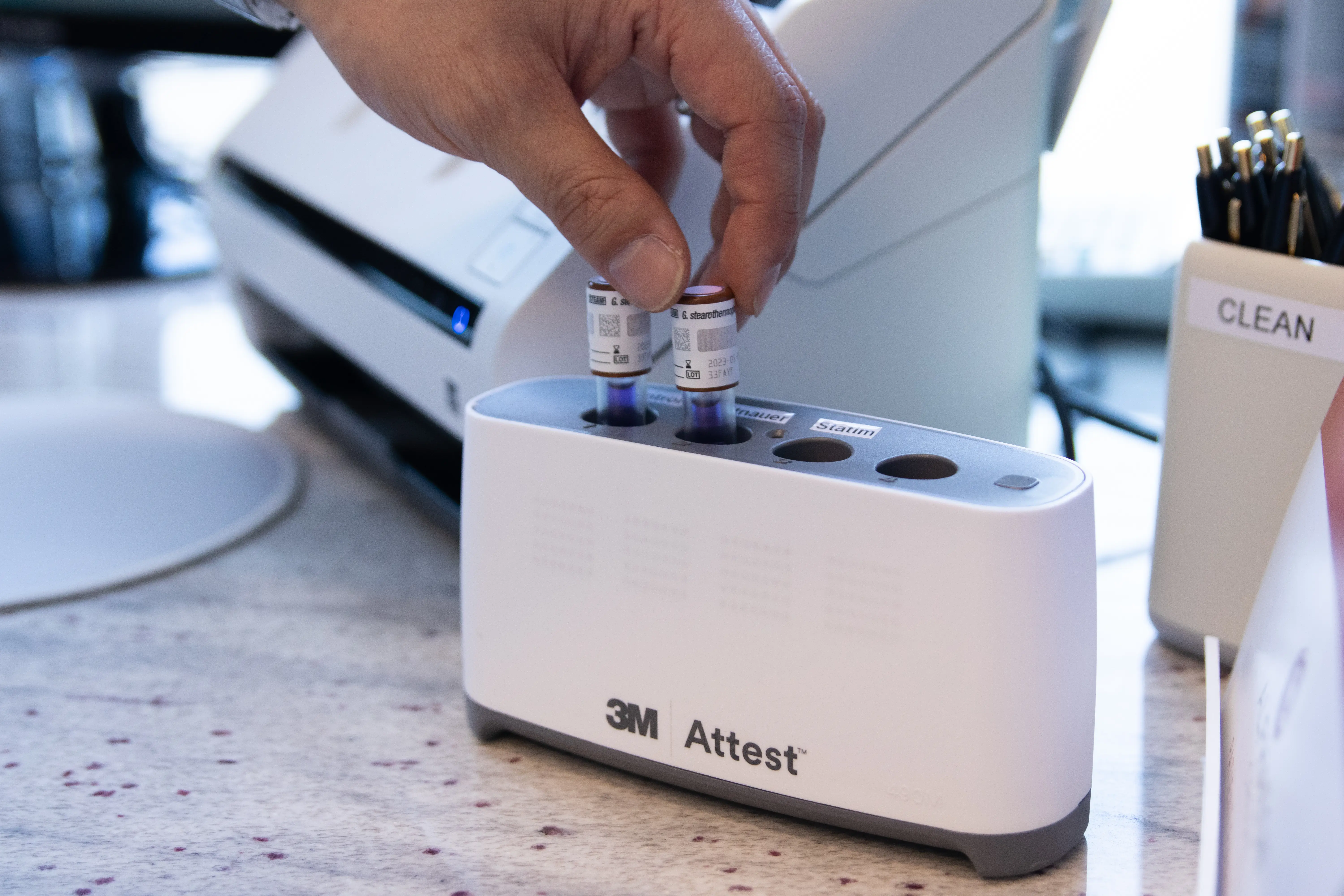
Before an instrument ever reaches the chair, our sterilization process is tested and confirmed. With 3M Attest, we can run biological monitoring in-office and get results in about 30 minutes, instead of waiting days for mailed-out testing. It is an investment most patients never see, but it reflects a simple Livewell standard: the details matter before your appointment begins.
Verify sterilization with rapid biological testing.
Confirm safety before instruments reach the chair.
Reduce uncertainty from delayed mailed-out spore tests.
Hold every visit to the same safety standard.
3D Printing
Digital planning becomes more powerful when we can hold it, test it, and refine it.
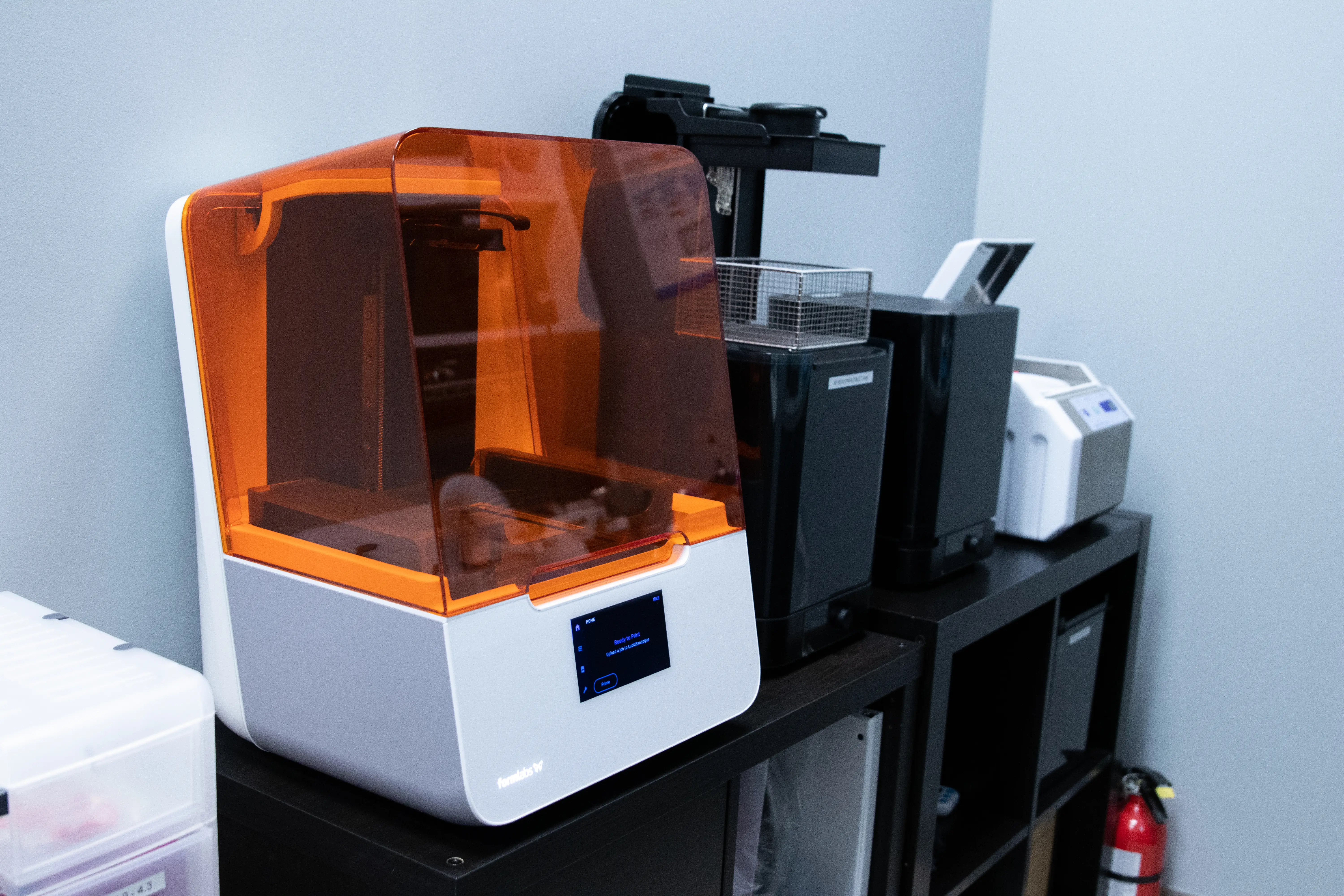
3D printing helps us turn scans and digital designs into surgical guides, study models, prototypes, and diagnostic appliances. It is the bridge between digital planning and analogue precision, helping us study your case more carefully and make important decisions before treatment begins.
Print models that help us study your teeth, bite, and anatomy.
Create surgical guides that help transfer the digital plan to the mouth.
Test shape, fit, and position before final treatment.
Print Kois deprogrammers for bite, TMJ, and diagnostic evaluation.
Studio Photography + Videography
Complex dentistry needs accurate records before it needs treatment.
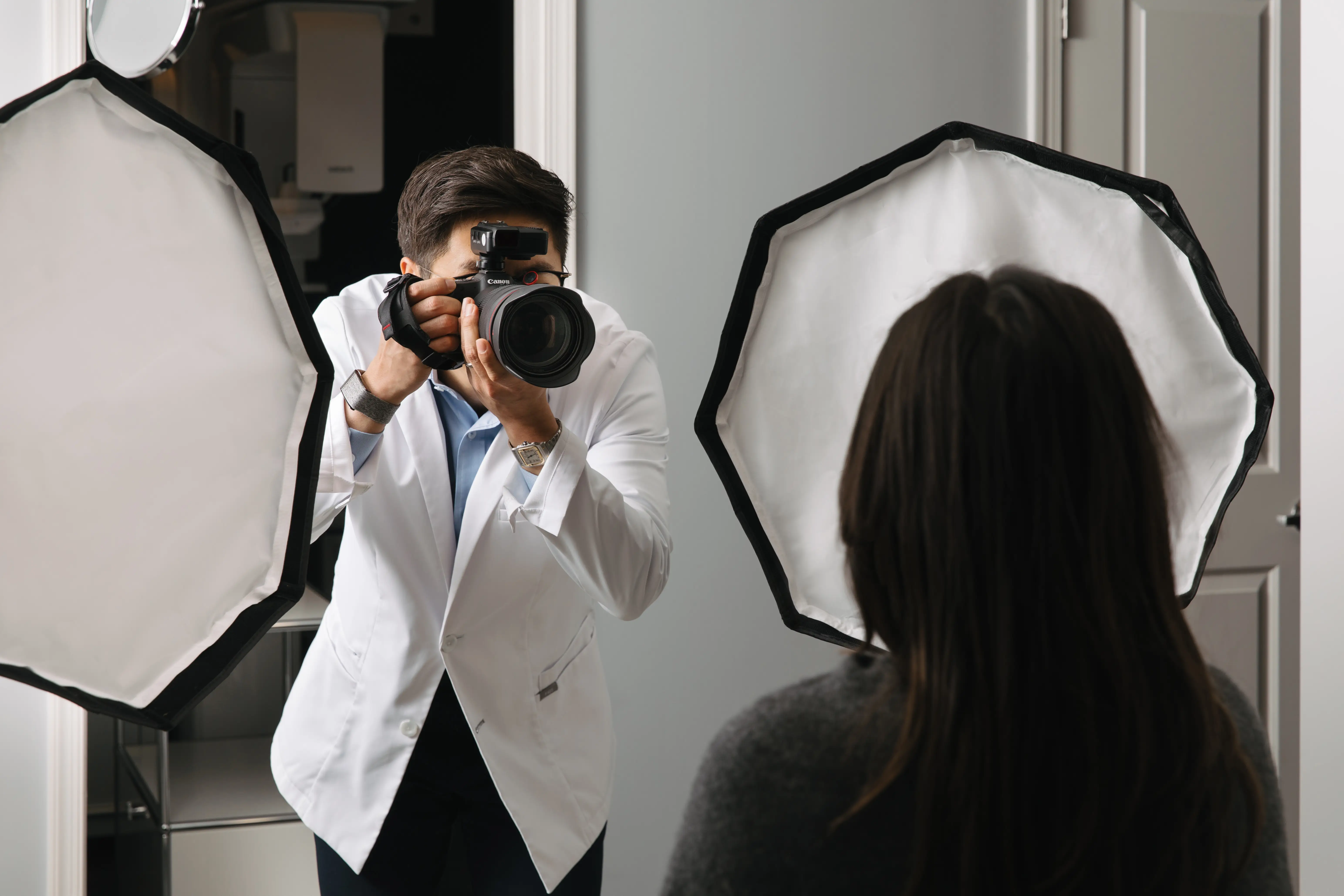
This is where much of our planning begins. With controlled lighting, professional cameras, and clinical video, we can see color, shape, movement, proportion, and small details that are easy to miss in a regular exam. These images are not taken for marketing. They are part of the data we use to plan cosmetic dentistry, full-mouth rehabilitation, implants, and everyday care with the level of detail we expect from ourselves and teach to other dentists.
Capture smile, bite, color, and facial details with accuracy.
Plan cosmetic and complex cases with real visual data.
Communicate clearly with ceramists, specialists, and the patient.
Document each stage so the final result can be compared to the plan.
High-Powered Loupes
You can only treat what you can truly see.
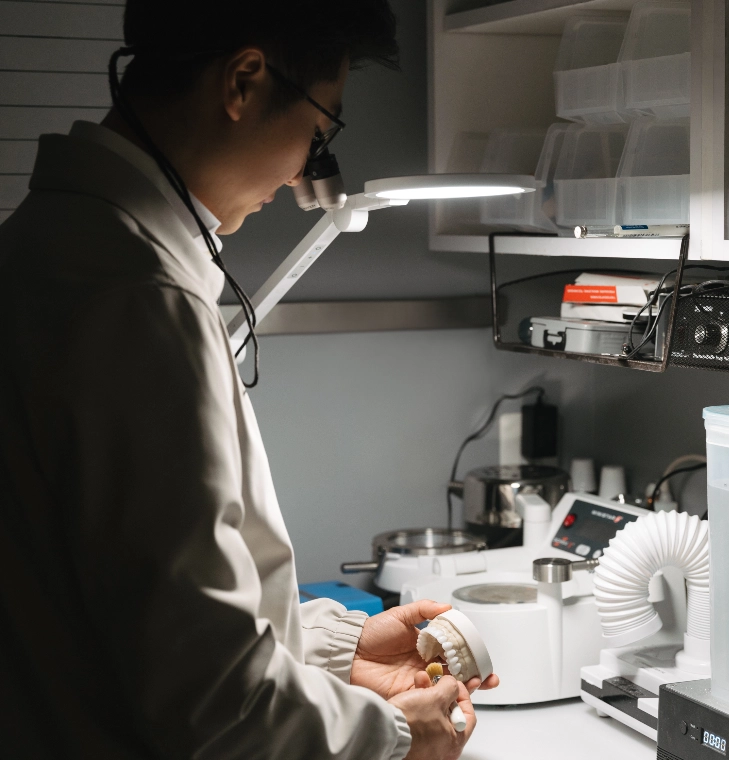
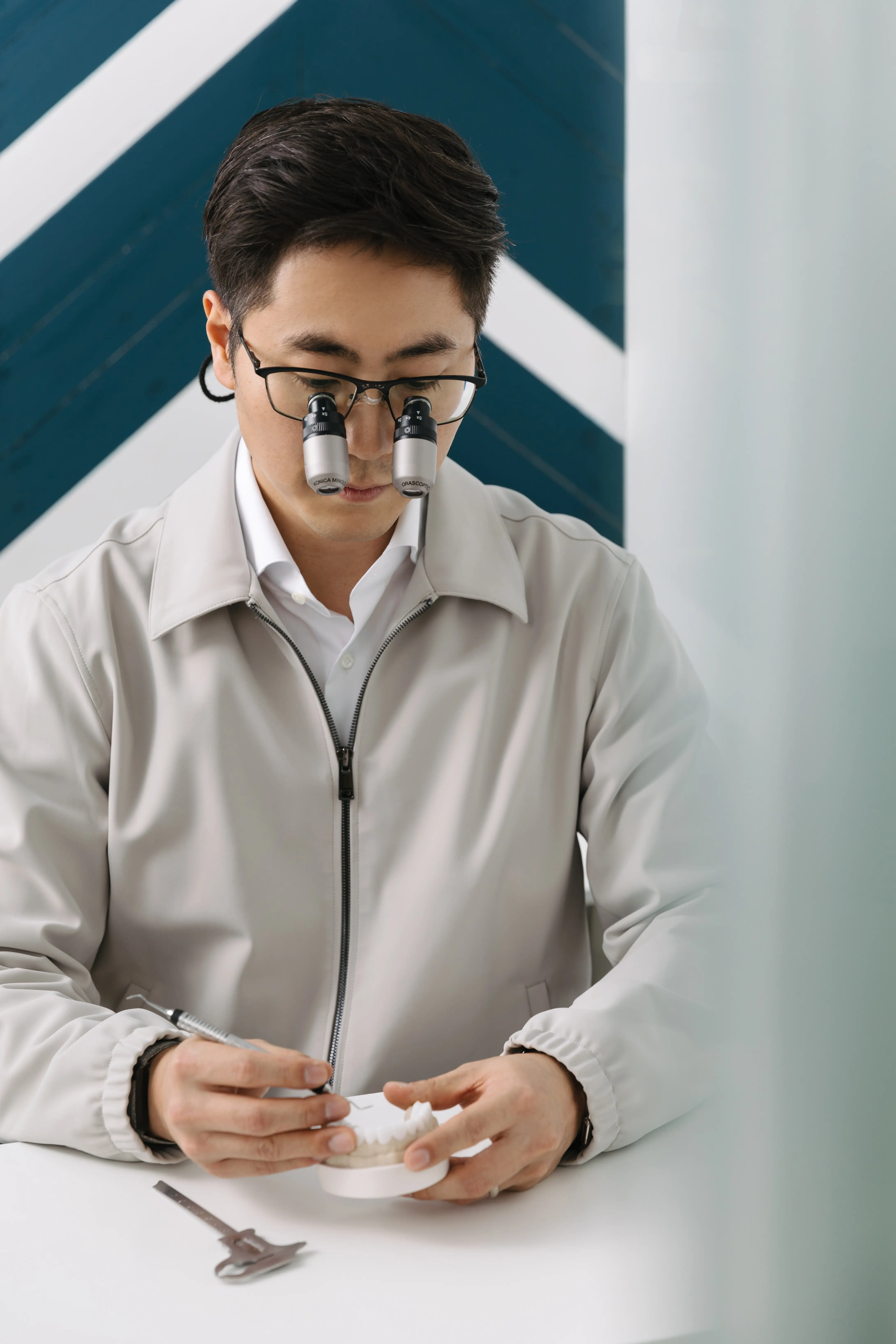
Dr. Chris uses magnification for every patient and every procedure because small details can change the outcome. He has four different sets of loupes for different types of care, not because patients always notice the difference, but because margins, cracks, fit, and seal matter. At Livewell, precision is not reserved for complex cases. It is part of the standard.
See tiny details that are easy to miss with the naked eye.
Detect cracks, decay, and weak areas earlier.
Shape and fit restorations with greater accuracy.
Bring the same precision to simple and complex care.
Rubber Dam Isolation
A restoration is only as strong as the bond underneath it.
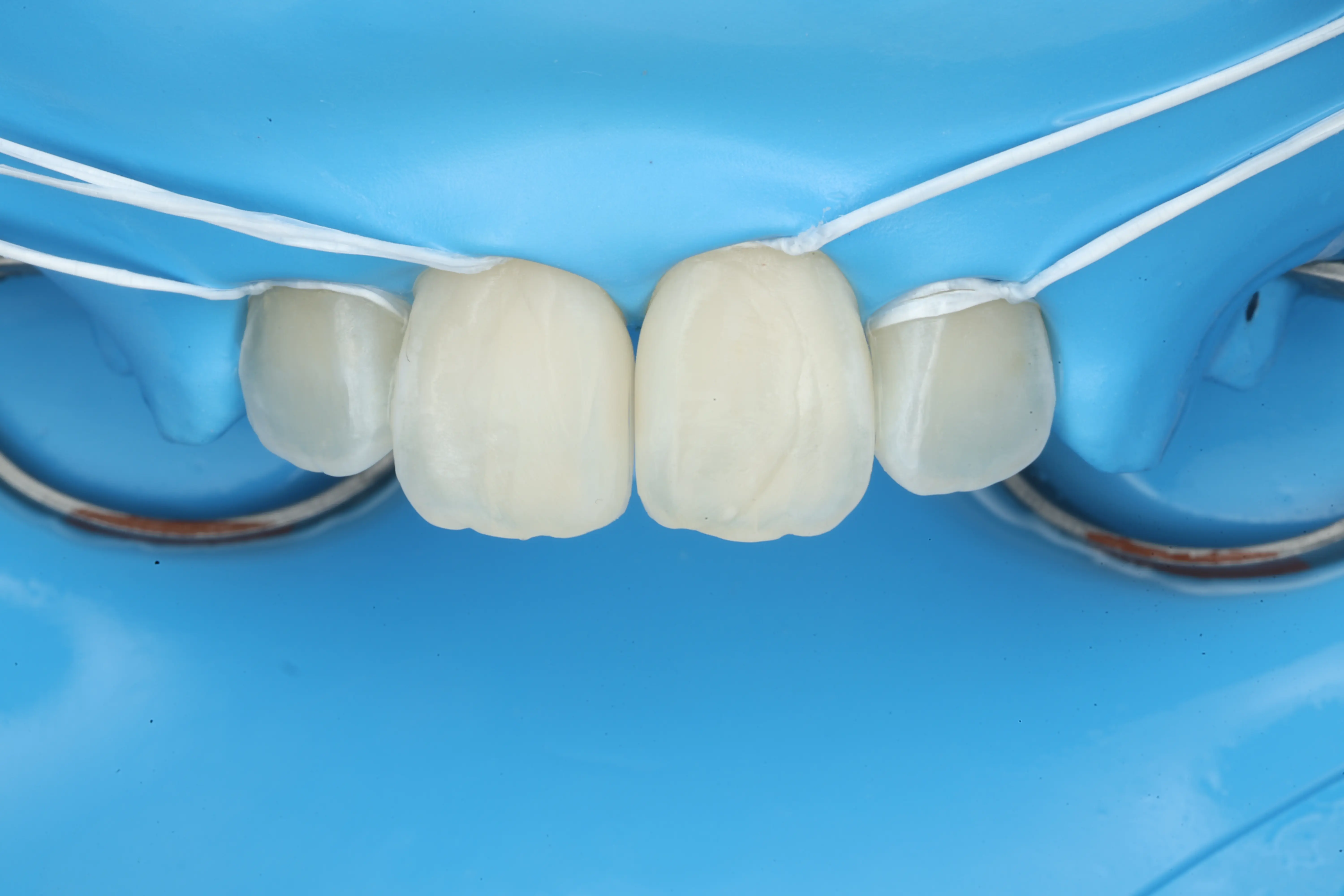
When saliva, moisture, or breath touches the tooth during bonding, the restoration may still look fine at first, but the bond can weaken over time. Rubber dam isolation helps us keep the tooth clean, dry, and protected while we work, so the connection between the tooth and restoration has the right conditions from the start.
Keep saliva and moisture away during bonding.
Create a cleaner, more controlled treatment field.
Protect you from debris, materials, and irrigants.
Help restorations last by protecting the bond.
OralDNA Salivary Bacterial Testing
Healthy gums are not a guess. They are something we can measure.
Bleeding gums are a sign of inflammation, and at Livewell, our goal is to understand why it is happening instead of giving the same advice every time. OralDNA helps us identify the bacteria behind the problem, so we can create a more targeted plan for your gums, your implants, and your long-term health.
Find the bacteria linked to bleeding gums and inflammation.
Personalize gum treatment instead of guessing.
Measure whether your gum health is actually improving.
Support healthier gums, healthier implants, and health beyond teeth.
From Clear Records to Clear Decisions
Dentistry that feels right does not happen by guessing. The right records help us understand your teeth, bite, gums, and facial balance before treatment begins, so we can protect what is healthy and design changes that still feel like you.
- Preserve what is working
We use detailed records to avoid unnecessary treatment and protect healthy tooth structure. - Design around your face
Photos, scans, and measurements help shape a smile that fits your features, not someone else’s template. - Plan for long-term function
Your bite, jaw movement, and tooth position are considered so the result looks right, feels comfortable, and functions well.
.svg)
The Thinking Behind the Tools
Technology shows us more detail. The method is how we decide what to do with it. These are the clinical principles that guide how we plan, protect, restore, and maintain your smile.
Your bite is not static. Digital jaw analysis helps us understand how your jaw moves and how your teeth interact during function, which matters for complex dentistry, worn teeth, and bite-related problems.
When teeth keep breaking, wearing down, or feeling sore, the bite may be part of the reason. This analysis looks at jaw joints, muscle strain, clenching patterns, and tooth contacts before treatment is planned.
Biomimetic dentistry is about restoring teeth in a way that respects natural tooth structure. Instead of removing more tooth than necessary, we focus on bonding, sealing, and reinforcing what is still healthy.
Implants should be planned around the tooth they will support. Guided planning helps us connect the final restoration, bone position, bite, and surgical approach before implant placement begins.
Digital smile design uses photos, scans, and facial references to plan a smile in context. The goal is not just whiter or straighter teeth, but teeth that fit the face, lips, bite, and personality of the patient.
Not Every Tool Needs to Be Loud to Matter
Some technologies work quietly in the background, improving the records, measurements, and decisions that shape your care.
Intraoral Scanning
CAD-CAM Design
Digital Shade Matching
Air Abrasion