




.svg)

Why Are You Here?
You are not looking for a completely different smile. You are looking for the small details to stop bothering you. A chip that catches your eye in photos. A dark triangle between teeth. A gap that makes your smile feel unfinished. An uneven edge that looks out of place.
Dental bonding can be a conservative way to improve those details without removing significant tooth structure. Using tooth-colored composite resin, Dr. Chris can reshape, repair, and refine selected teeth so your smile looks more balanced while still feeling like your own.

Bonding is not meant to replace every cosmetic treatment. It works best when the problem is specific, the tooth is healthy, and the goal is a subtle improvement with a conservative approach.

What Is Bonding?
Bonding Works Well For
Dental bonding uses tooth-colored composite resin to repair or reshape part of a tooth. The material is carefully placed, sculpted, hardened, and polished so it blends with the surrounding tooth structure.
Unlike porcelain veneers or crowns, bonding usually requires little to no enamel removal. It is one of the most conservative cosmetic options when the concern is small and the tooth is otherwise healthy.
At Livewell Dental, bonding is not treated like a quick patch. Dr. Chris looks at the color, shape, bite, gumline, and surrounding teeth so the final result fits naturally into your smile.
What You Get Back
When small imperfections are repaired, your smile can feel cleaner, more balanced, and easier to show.

A Smile That Feels Finished
Small chips, uneven edges, or gaps can make a healthy smile feel incomplete. Bonding helps refine those details so your smile looks more even and intentional.
A Conservative Repair
Bonding can often improve tooth shape without removing significant natural tooth structure. It is a good option when the issue is cosmetic and limited.
A Natural-Looking Result
Composite resin is selected and shaped to blend with your surrounding teeth. The goal is a repair that looks like part of your natural smile.
More Confidence in Photos and Conversations
When the small detail that bothered you is repaired, you may feel more comfortable smiling, speaking, and being seen without thinking about that one tooth

Bonding Is Only as Good as the Hands Doing It
Bonding may seem simple, but natural-looking results depend on careful planning, shaping, and polishing. A small repair can stand out if the color is wrong, the shape is bulky, or the edge does not match the surrounding teeth.
At Livewell Dental, Dr. Chris approaches bonding with the same attention to detail used in more complex cosmetic and restorative cases. He studies how the tooth fits into your smile, how light reflects from the surface, and how your bite may affect the repair over time.
- Color selected to blend with your surrounding teeth
- Shape refined to match your natural smile
- Bite checked to reduce unnecessary stress
- Polished for a smooth, natural-looking finish
How Bonding Works
One Personalized Plan. A Life-Changing Result
A small change can make a major difference when it is planned around the whole smile.
.svg)
Before And After

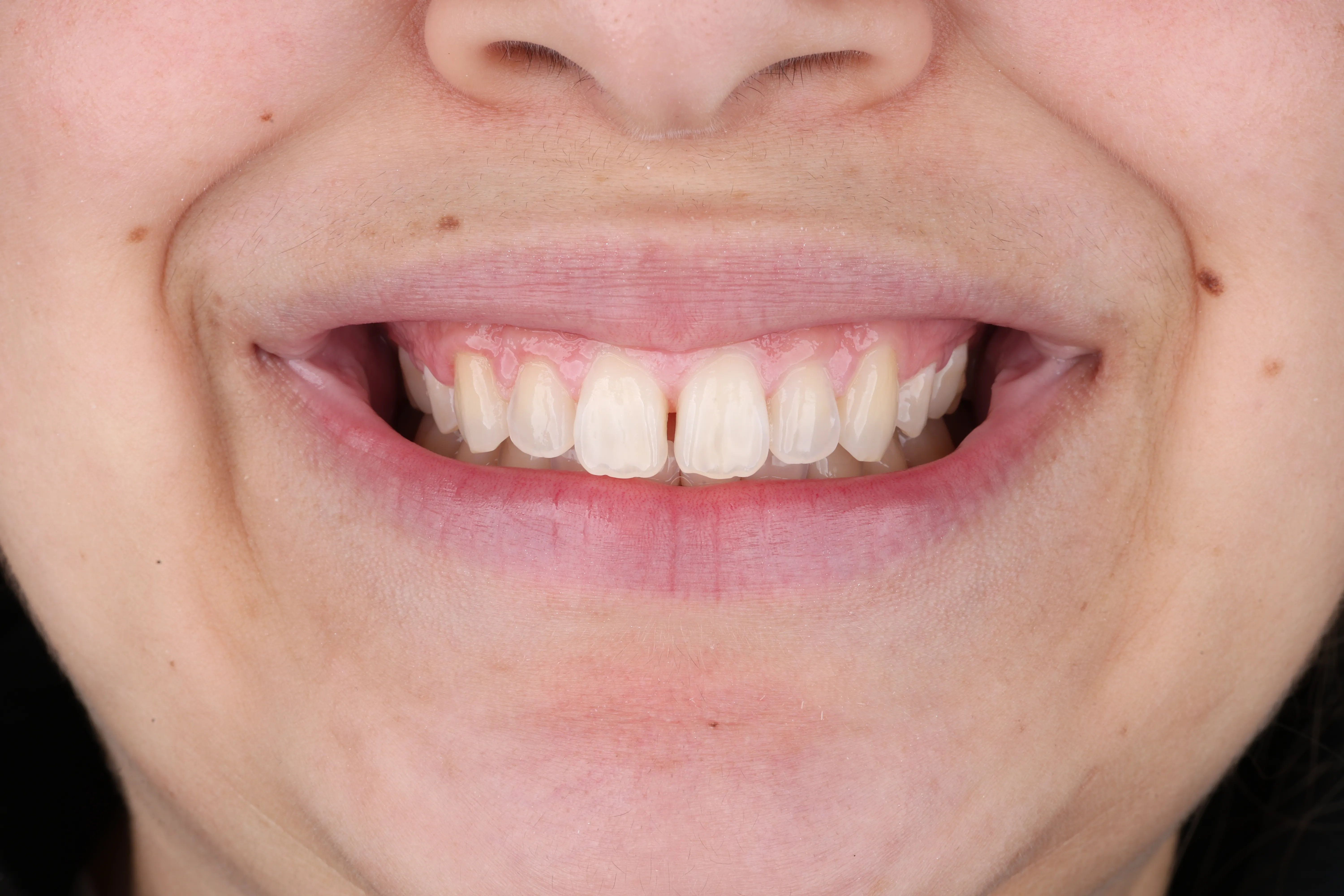
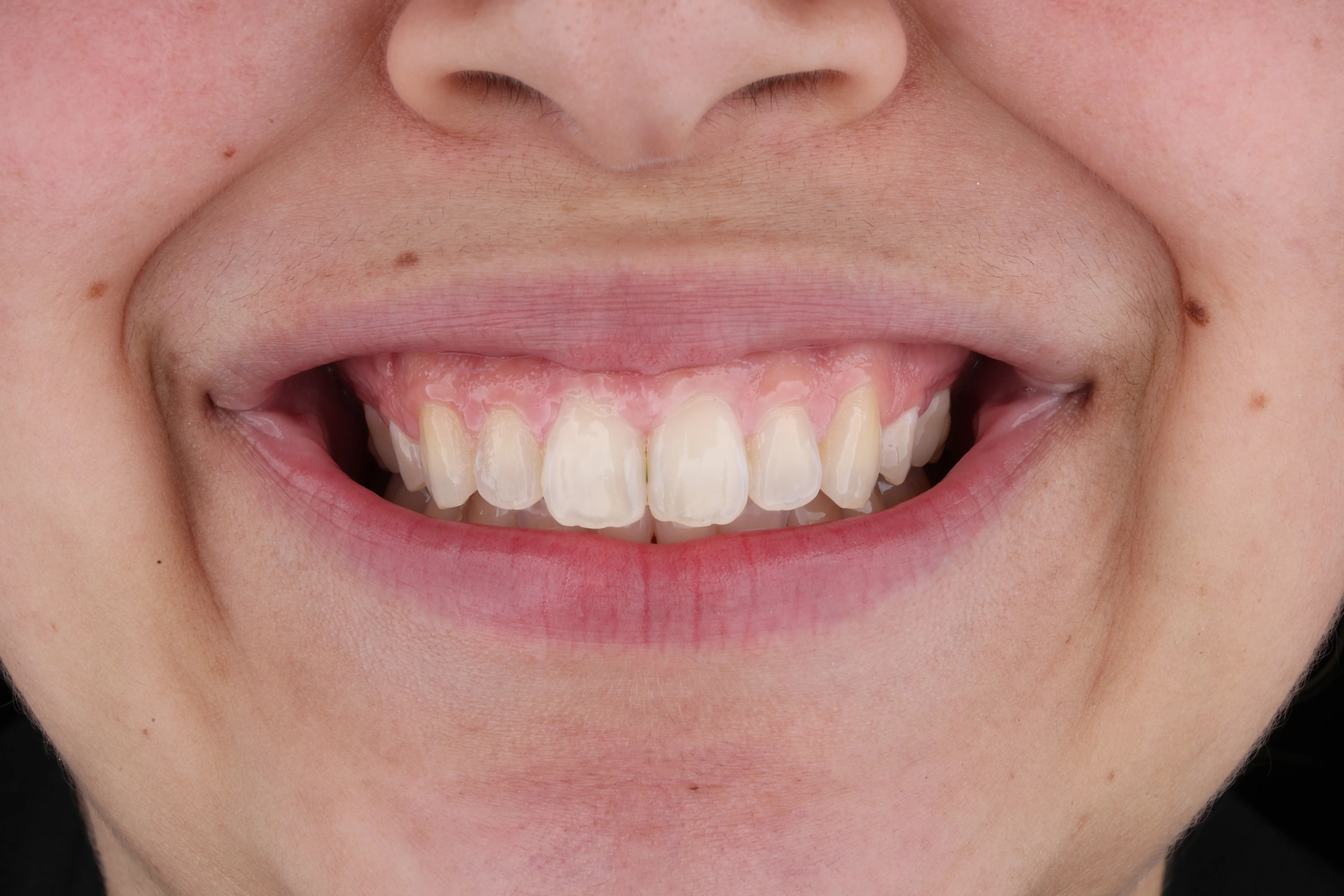
How Bonding Compares to Other Options
| Feature | Bonding | Porcelain Veneers | Dental Crowns |
|---|---|---|---|
| Tooth preparation | Little to no enamel removal in many cases | Usually requires some enamel preparation | Requires more tooth reduction to cover the tooth |
| Best for | Small chips, gaps, dark triangles, and minor shape changes | Larger cosmetic changes in color, shape, size, or symmetry | Cracked, weakened, heavily restored, or structurally damaged teeth |
| Treatment time | Often completed in one visit | Usually completed over multiple visits | Usually completed over multiple visits |
| Durability | Can last for years with proper care, but may chip or stain over time | More stain-resistant and durable than bonding | Strong protection for teeth that need structural support |
| Repairability | Often repairable or adjustable | More involved to repair or replace | May require replacement if damaged or worn |

Dental bonding can last for years with proper care, but the exact lifespan depends on the size and location of the bonding, your bite, oral hygiene, diet, and habits like clenching or grinding. Bonding may need polishing, repair, or replacement over time because composite resin is not as stain-resistant or durable as porcelain.
Dental bonding is usually comfortable and often does not require anesthesia, especially when it is used for small cosmetic repairs. If bonding is being used to treat decay, sensitivity, or a deeper damaged area, local anesthesia may be recommended so you stay comfortable during treatment.
Bonding material can stain over time, especially with frequent coffee, tea, red wine, tobacco, or highly pigmented foods. Good home care, regular dental cleanings, and occasional polishing can help maintain the appearance of bonded teeth. If staining becomes noticeable, the bonding may need to be refreshed or replaced.
Yes, bonding can close small gaps or dark triangles in selected cases. It works best when the space is minor and the surrounding teeth are healthy. For larger gaps, bite issues, or tooth-position problems, orthodontics or veneers may be a better long-term option.
Bonding and veneers serve different purposes. Bonding is more conservative, often completed in one visit, and works well for small repairs. Veneers are made from porcelain and are usually better for larger cosmetic changes in tooth color, shape, size, and symmetry. Dr. Chris will explain which option fits your goals and tooth structure.
Yes, bonding can chip if it is placed under too much force or if you bite into hard objects. It is important to avoid habits like chewing ice, biting pens, or using your teeth as tools. If you clench or grind, Dr. Chris may recommend a night guard to help protect the bonded area.