



.svg)

Missing More Than One Tooth Changes Everything Around It
When multiple teeth are missing, the teeth around the gap can begin to shift, the bone underneath may shrink over time, and chewing forces can move to the wrong areas. What starts as a space in your smile can become a structural problem that affects your bite, comfort, and future treatment options.

creating a gap that affects bite, bone, and the teeth around it
once teeth are gone, the jawbone underneath begins to resorb
If an older bridge is loose, uncomfortable, or failing, an implant bridge may offer a stronger long-term option.
At Livewell Dental, Dr. Chris evaluates the full picture before recommending an implant bridge, including your bone, bite, gum health, and the condition of nearby teeth.

What Is an Implant Bridge?
A traditional bridge fills a gap by crowning the teeth on either side and suspending a replacement tooth between them. It can work well in some situations, but it usually requires reshaping healthy teeth that may not otherwise need treatment.
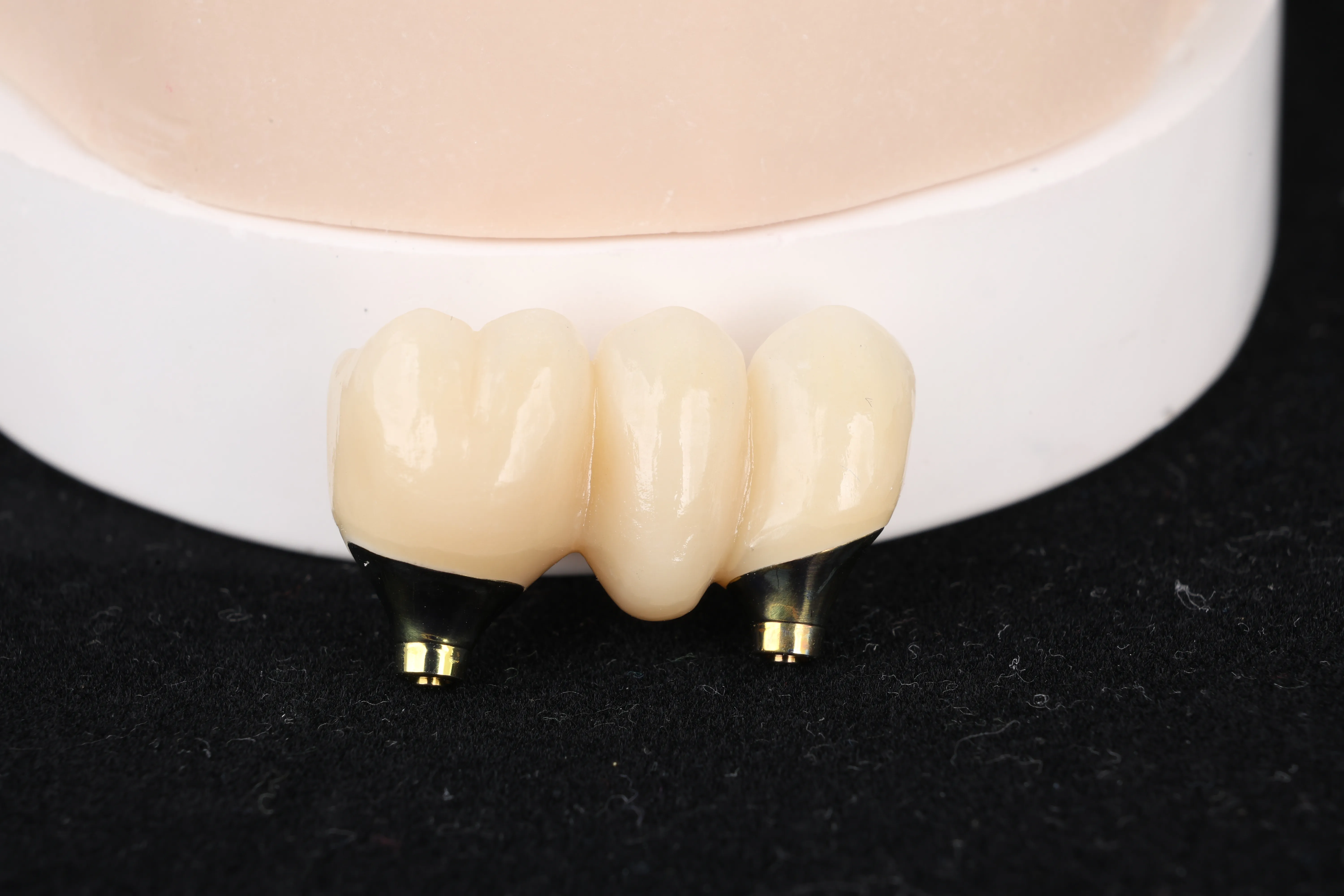
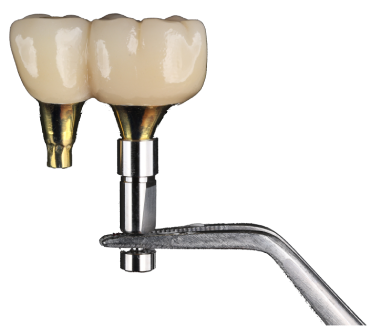
An implant bridge replaces multiple missing teeth by anchoring a custom bridge to dental implants instead of natural teeth. The implants are placed in the jawbone and act as the foundation for the bridge. Once healed, the bridge is attached to the implants to restore the missing teeth as one connected restoration.
We Ask What's Causing This Before We Discuss What to Replace

Teeth usually do not fail without a reason. Decay, gum disease, bite problems, cracks, or older dental work may all contribute to tooth loss. Before placing an implant bridge, Dr. Chris looks for the cause of the problem so the new restoration is not built on the same unstable foundation.
The bridge is the replacement, but the plan starts with diagnosis. We want to understand the full picture before recommending the best way to rebuild the area.
How We Place an Implant Bridge
One Personalized Plan. A Life-Changing Result
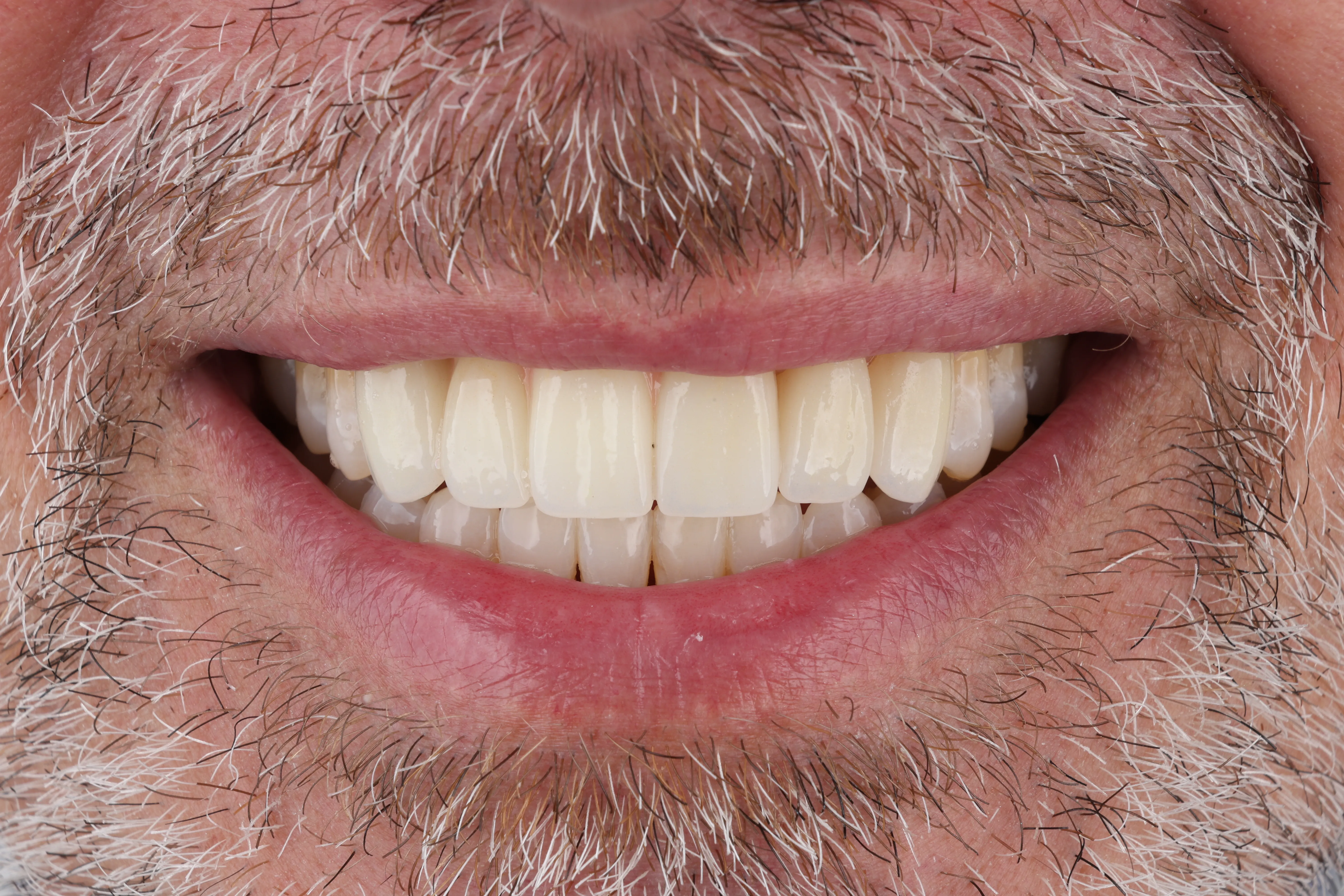
When every detail is carefully planned, the outcome is more than a better smile. It is a renewed sense of confidence.
.svg)
Before And After
-cosmetic.crown.bridge.veneer.crownlay.onlay.elab.webp)

-cosmetic.crown.bridge.veneer.crownlay.onlay.elab.webp)
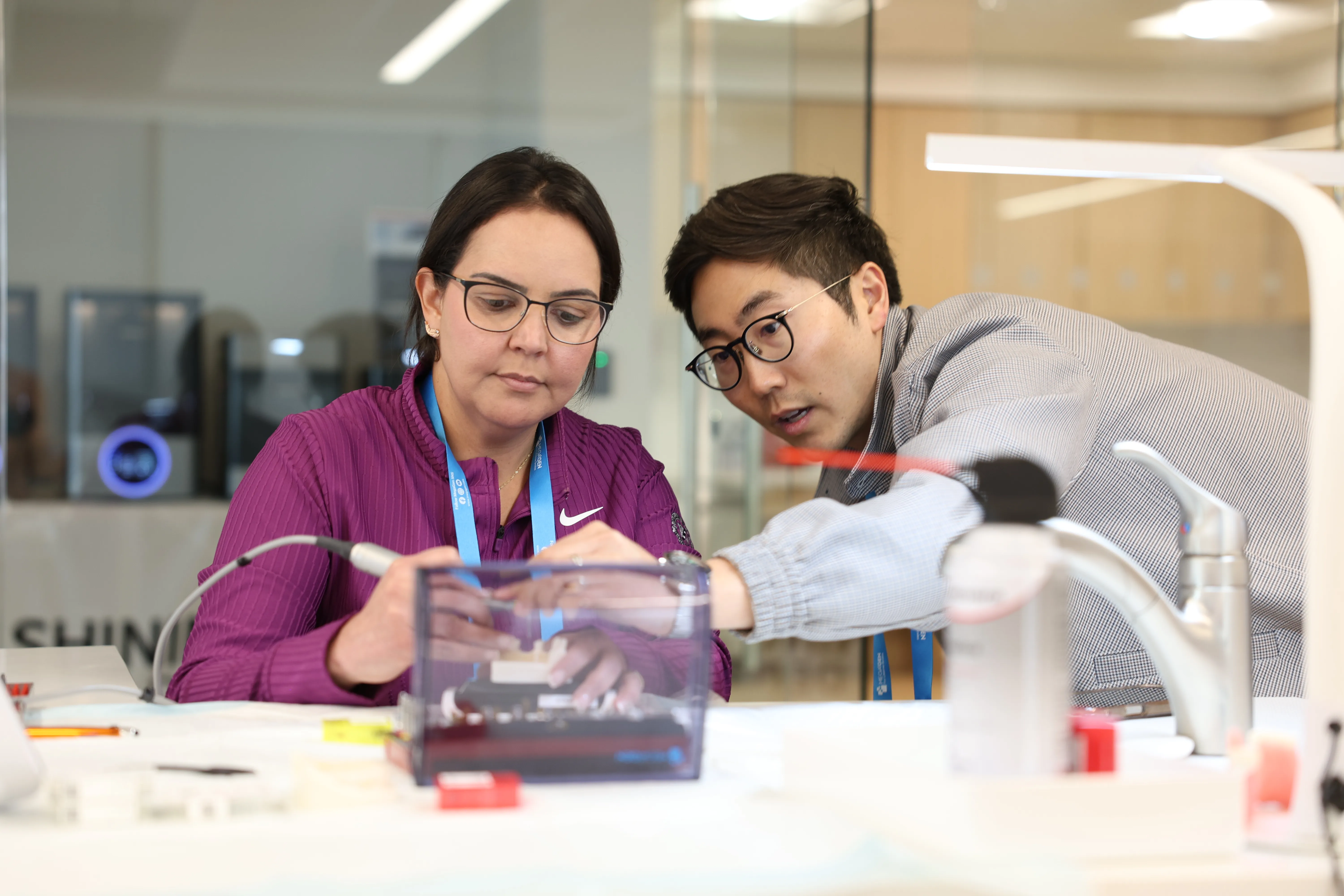
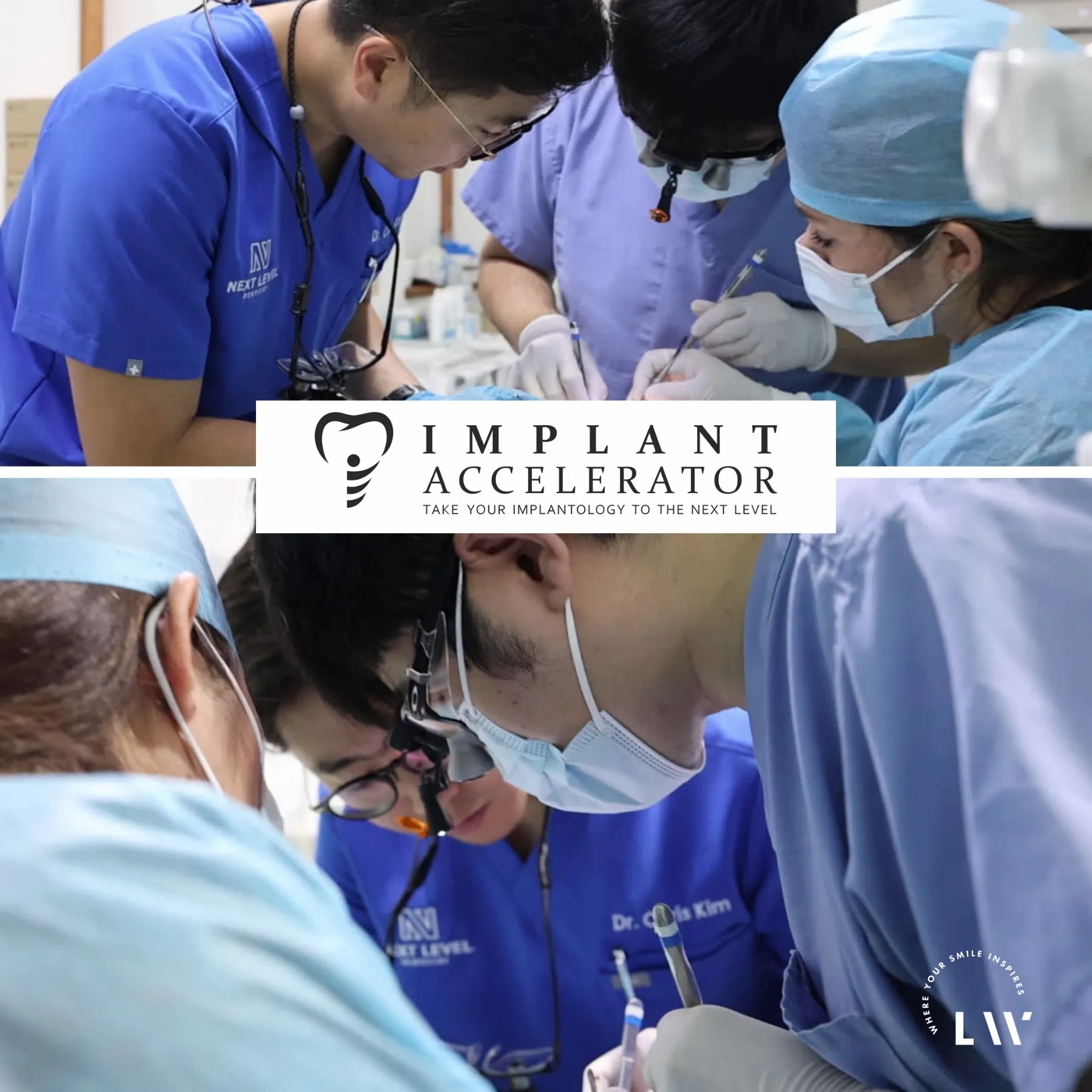
Clinical Instructor at Implant Accelerator.
.webp)

Three Options for Multiple Missing Teeth
Implant Bridge | Traditional Bridge | Individual Implants | |
|---|---|---|---|
| Replaces the root | Uses implants to replace root-level support | Does not replace the missing tooth roots | Uses implants to replace individual roots |
| Supports jawbone | Helps support bone where implants are placed | Does not stimulate the bone under the missing teeth | Helps support bone around each implant site |
| Adjacent teeth affected | Usually does not require reshaping nearby teeth | Usually requires reshaping teeth next to the gap | Usually does not require reshaping nearby teeth |
| Cost | Moderate to higher investment, depending on the case | Often lower upfront than implant treatment | Often higher when replacing several teeth individually |
| Longevity | Designed for long-term function with proper care and maintenance | May need replacement over time | Designed for long-term function with proper care and maintenance |
| Ideal for | Two to four consecutive missing teeth in many cases | Patients who are not candidates for implant surgery or prefer a non-surgical option | Single missing teeth or non-consecutive gaps |
Hear From Our Patients

The Technology We Use Is Chosen for Accuracy, Not Show
Every piece of equipment we use has a specific job: better information before we start, more precise planning while we work, and support for smoother healing afterward.

CBCT 3D Imaging

3D Printing and Surgical Guides

Guided Implant Surgery

Intraoral Scanning

eLab Digital Design

PRF / PRP Healing Therapy

An implant bridge replaces multiple missing teeth in a row using dental implants as anchors. Instead of attaching to natural teeth like a traditional bridge, the restoration is supported by implants placed in the jawbone. Once the implants heal, a custom bridge is attached to restore the missing teeth as one connected, fixed restoration.
It depends on your case. A traditional bridge usually requires reshaping the teeth on both sides of the gap. An implant bridge is supported by implants, so it usually does not require altering nearby healthy teeth. Implant bridges can also help support the bone where implants are placed. During your consultation, Dr. Chris will explain which option fits your bone, bite, gum health, and goals.
Many implant bridges use two implants, one near each end of the missing-tooth span. The exact number depends on how many teeth are missing, the amount of bone available, the location of the gap, and the forces your bite places on the restoration. In some cases, more implants may be recommended for added support.
Many implant bridge cases take several months from planning to final restoration. The longest phase is usually healing, when the implants integrate with the jawbone. If bone grafting or other preparation is needed, the timeline may be longer. We give you a clear estimate after reviewing your 3D imaging and treatment plan.
An implant-supported dental bridge typically runs $3,000 to $7,500. Pricing depends on the number of implants and pontics involved, the materials used, and the complexity of the case.
Good to know: dental insurance may cover a portion of this as major restorative work, which can help offset the out-of-pocket cost.
Implant placement is performed with local anesthesia, and comfort options may be available depending on your needs. You should not feel the procedure itself, though soreness, swelling, or tenderness can happen during early healing. Most patients manage recovery with the instructions and medications recommended after treatment.