



.svg)

What Is a Tooth Extraction?
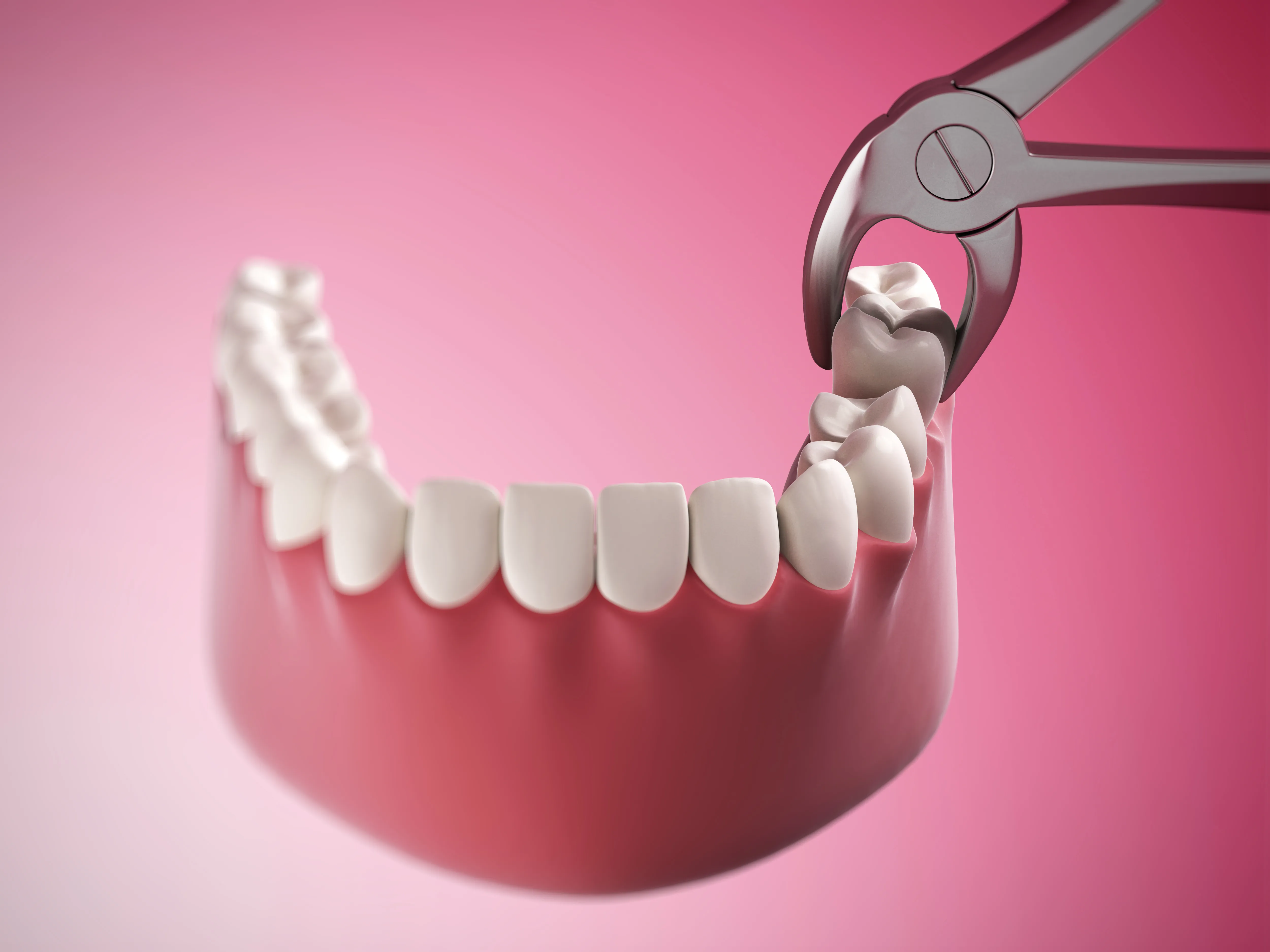
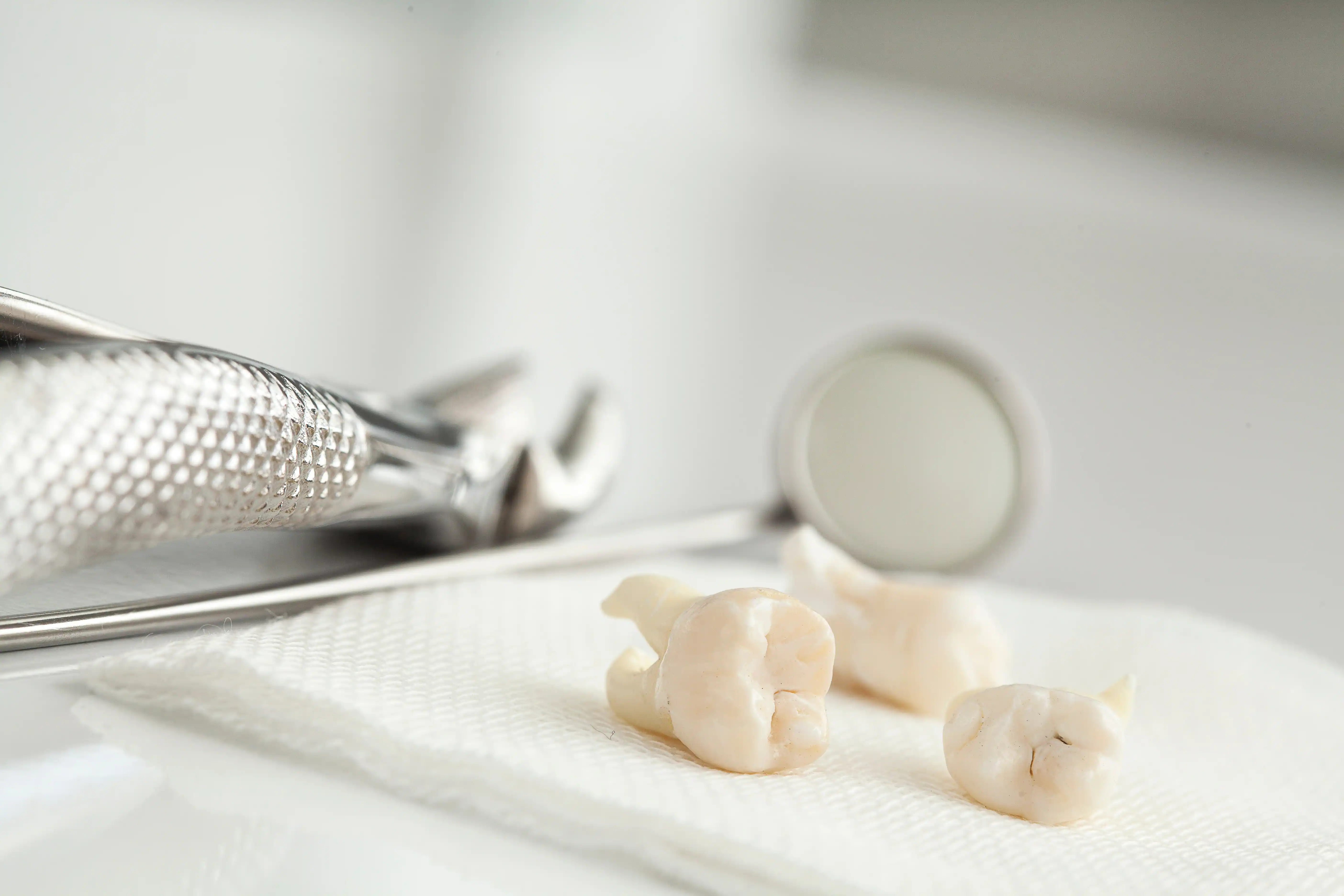
A tooth extraction is the removal of a tooth that is damaged, infected, loose, impacted, or no longer able to support your oral health.
While saving natural teeth is always the first goal, there are times when keeping a tooth can lead to more pain, infection, or damage to the surrounding teeth and bone.
At Livewell Dental, we take time to explain why an extraction may be recommended, how the procedure works, and what your options are after the tooth is removed.
When Might a Tooth Need to Come Out?

Severe decay, cracks, or fracture lines can make a tooth too weak to repair predictably.
If infection has spread or the tooth cannot be saved with other treatment, removal may be the safest option.
Bone loss around a tooth can make it loose, uncomfortable, or unable to function properly.
Some teeth need to be removed because they are impacting nearby teeth or interfering with a larger treatment plan.
Benefits of Tooth Extraction
Relieves Pain and Infection
Protects Long-Term Oral Health
Prepares for Future Restoration
The Tooth Extraction Process
Tooth Removal With Care for What Comes After
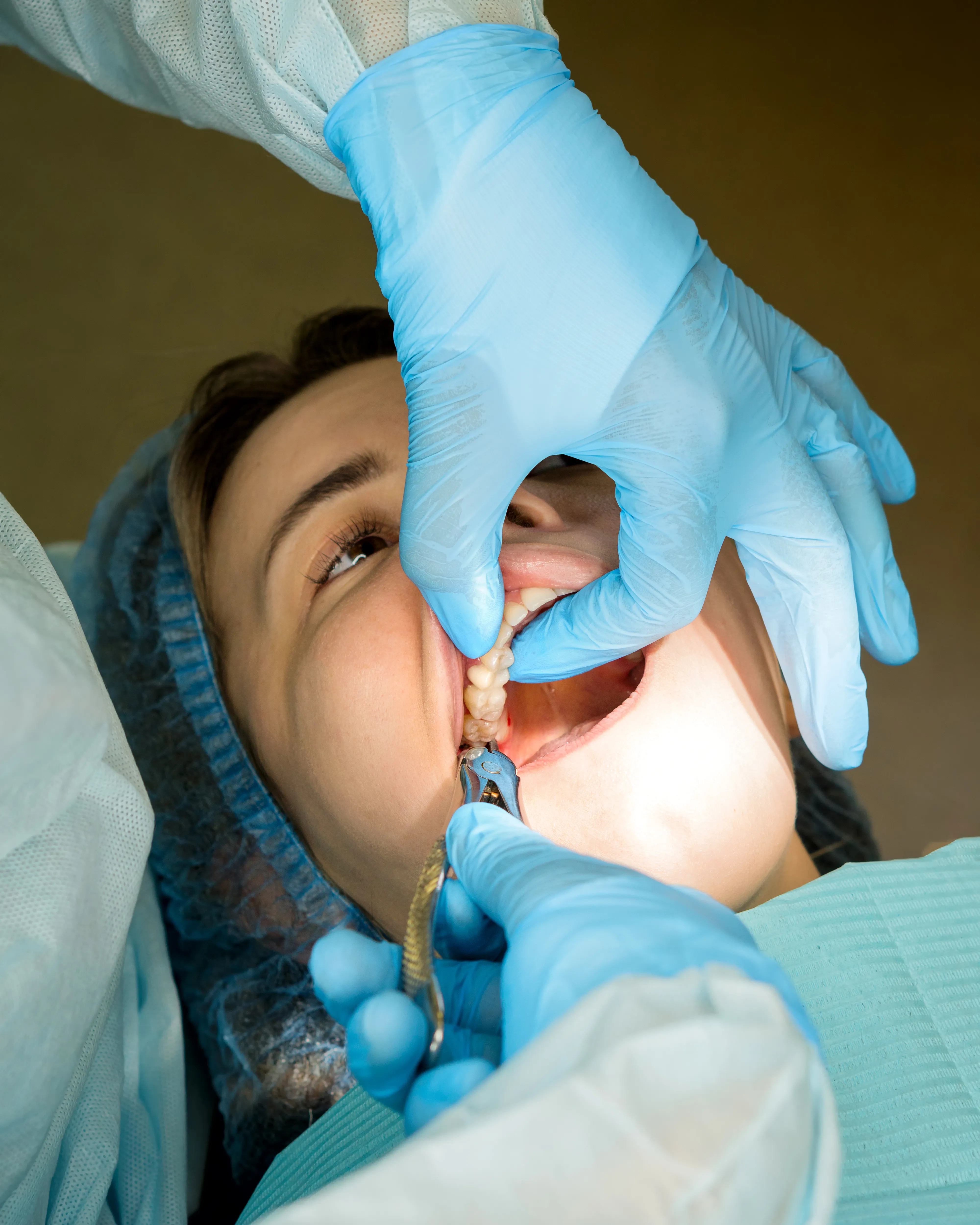
At Livewell Dental, extraction is not treated as the end of the story. We focus on your comfort today and your oral health tomorrow.
Before removing a tooth, we consider your symptoms, the condition of the tooth, the health of the surrounding bone and gums, and how the space should be managed after healing.
Trusted by Patients Who Want a Calm, Clear Experience
Patients choose Livewell Dental because they want to feel informed, not rushed. Tooth extraction can feel stressful, especially when you are in pain, so we make the process easier to understand from the first conversation.
Our team will help you know what to expect, how to heal, and what options are available to restore your smile afterward.

You may need an extraction if the tooth is severely damaged, infected, loose, or cannot be restored in a predictable way. We will examine the tooth and explain your options first. If the tooth can still be saved, treatment such as a root canal may be discussed before extraction.
The area is numbed before treatment, and we focus on keeping you comfortable throughout the visit. You may feel pressure, but you should not feel sharp pain during the procedure.
Most patients begin feeling better within a few days. Full healing takes longer, depending on the tooth, the extraction site, and your overall health.
Soft foods are best at first. Yogurt, eggs, mashed potatoes, smoothies without a straw, applesauce, and lukewarm soup are common options during early healing.
It depends on the tooth and your bite. Many extracted teeth should be replaced to protect chewing function, spacing, and bone health. We will explain your options clearly, including dental implants and dental bridges when appropriate.
In many cases, yes. Sometimes an implant can be planned soon after extraction. In other cases, the area may need healing or bone grafting first. You can learn more about replacement options on our dental implants page.
Yes, sometimes. If the tooth still has enough healthy structure and the infection or damage can be treated predictably, Dr. Chris may recommend saving it. Depending on the situation, options may include a root canal, dental crown, or another restorative treatment.
Not exactly. A tooth extraction can involve any tooth that is damaged, infected, loose, or causing problems. Wisdom teeth removal is a specific type of extraction for third molars, often when they are impacted, painful, or crowding nearby teeth. Learn more about wisdom teeth removal
A tooth extraction typically runs $300 to $450. Simple extractions for a visible tooth generally cost less, while impacted or more complex extractions run toward the higher end.