



.svg)

What Is Wisdom Teeth Removal?
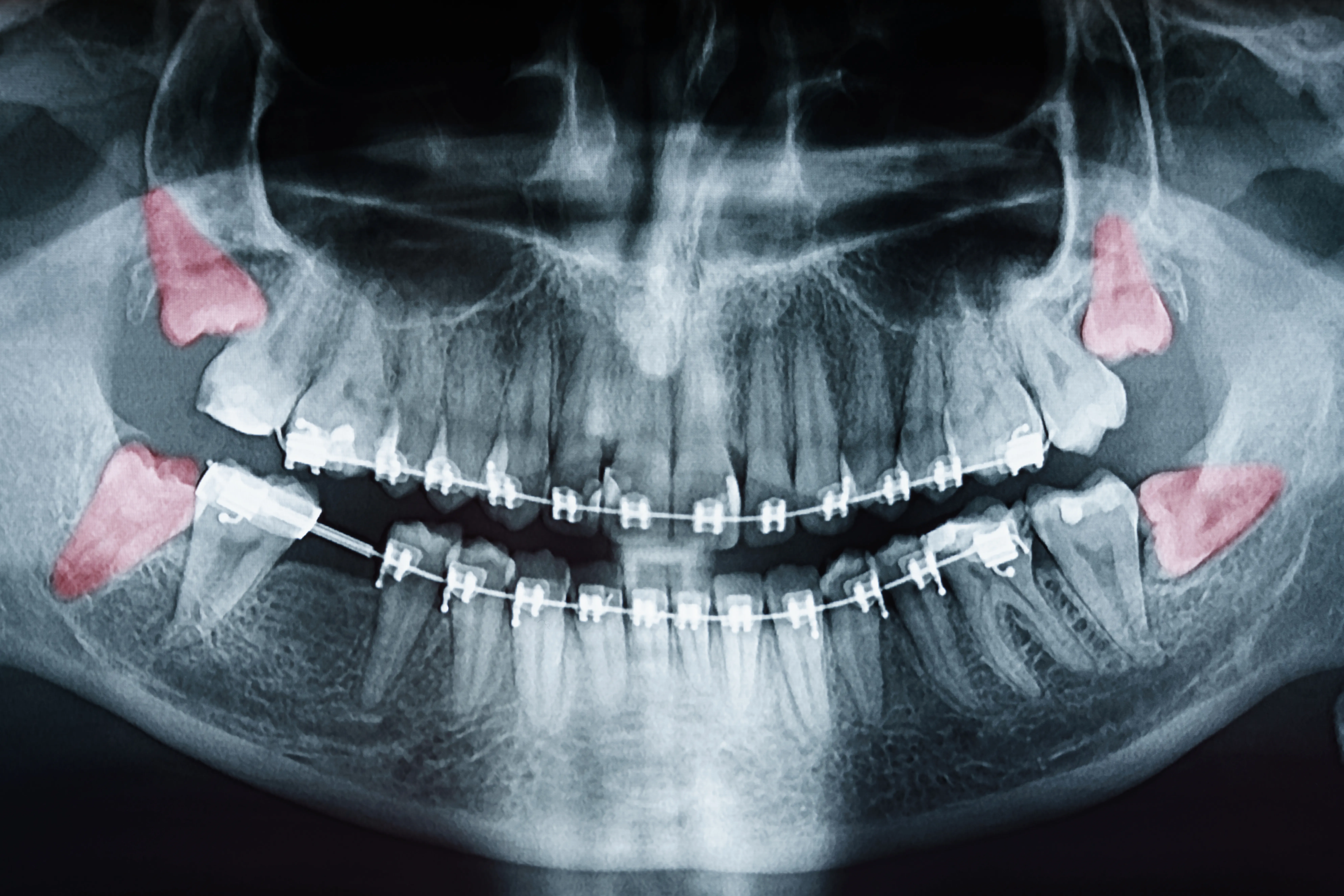
Wisdom teeth are the last molars to develop, usually in the late teens or early twenties. For some people, they grow in normally. For many others, there simply is not enough room.
When wisdom teeth are trapped under the gums, angled toward other teeth, or only partly erupted, they can lead to pain, swelling, cavities, gum infection, and pressure in the jaw.
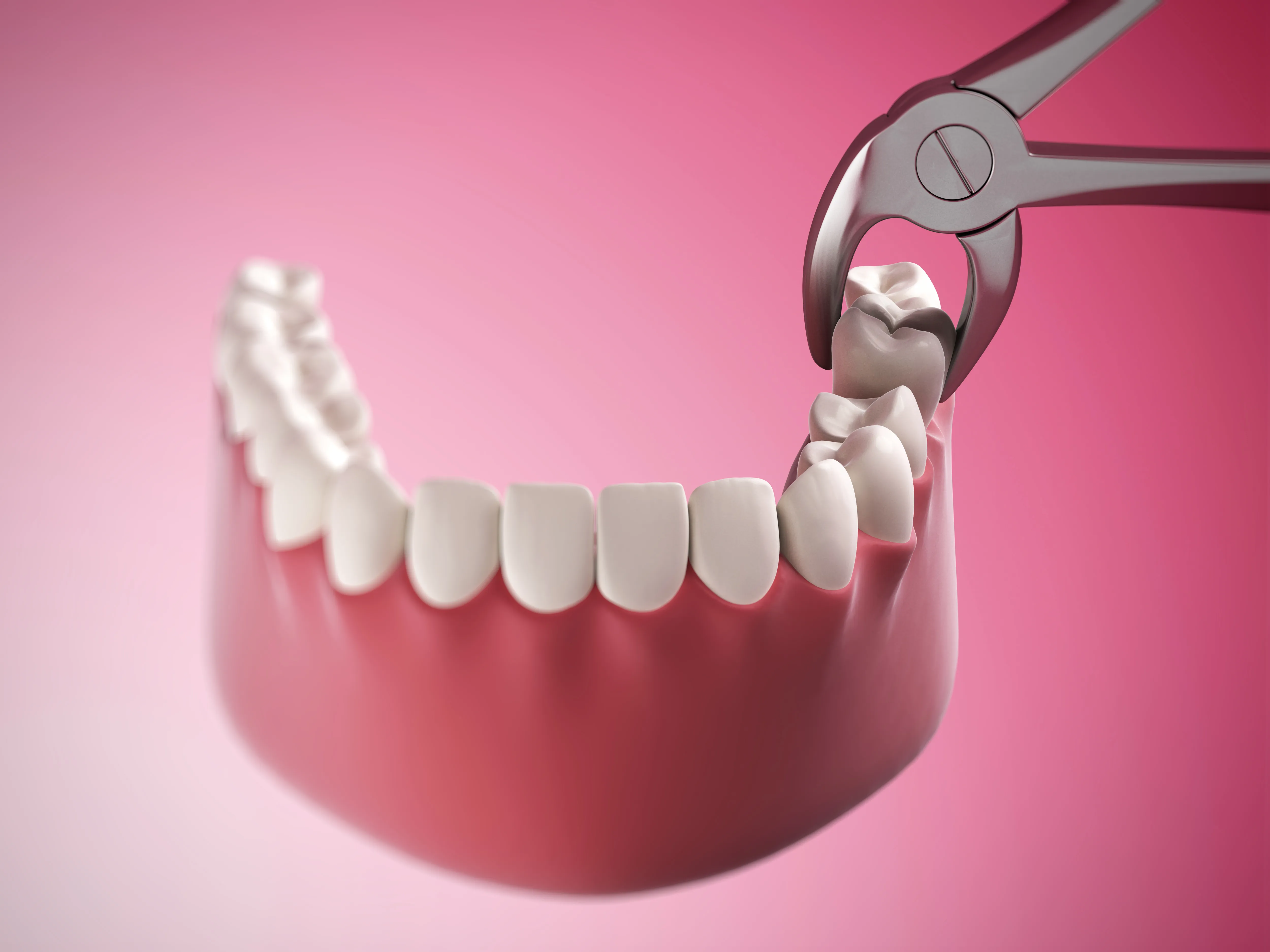
Wisdom teeth removal is a planned procedure that removes these teeth before they create bigger problems. The goal is to protect your comfort, your bite, and the health of the teeth around them.
When Should Wisdom Teeth Be Checked?

A dull ache near the jaw, gums, or back molars can be a sign that wisdom teeth are pushing or trapped.
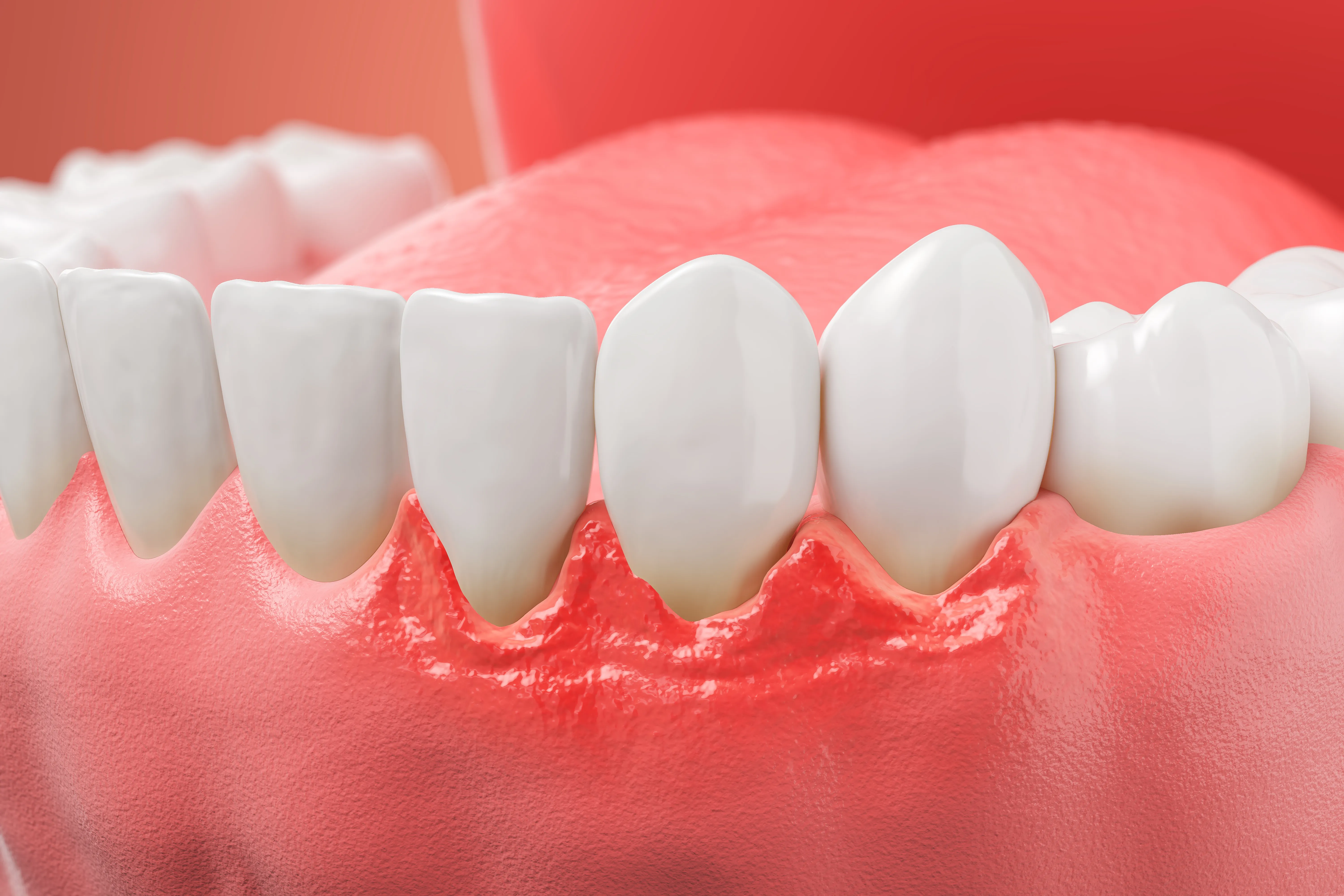
Partially erupted wisdom teeth can be hard to clean, which may lead to inflammation or infection.
Wisdom teeth can sometimes place pressure on nearby teeth, especially when space is limited.
When wisdom teeth are partly visible, the area can collect bacteria and become difficult to keep clean.
Benefits of Wisdom Teeth Removal
Prevents Pain and Infection
Protects Surrounding Teeth
Reduces Risk of Future Complications

Wisdom Teeth Care That Feels Clear, Calm, and Planned
Wisdom teeth removal can feel intimidating, especially if you are already in pain or nervous about surgery. At Livewell Dental, we slow the process down, explain what we see, and help you understand the safest path forward.
We do not recommend removal just because wisdom teeth exist. We look at your symptoms, imaging, age, tooth position, and risk for future problems before creating a plan.
Trusted by Patients Who Want a Better Surgical Experience
Patients choose Livewell Dental because they want to feel informed before making decisions. Wisdom teeth treatment is not just about removing teeth. It is about preventing future pain, protecting nearby molars, and helping you recover with confidence.
From the first scan to the final recovery instructions, our team is here to make the experience feel more manageable, personal, and clear.

No. Some wisdom teeth can stay if they are healthy, fully erupted, easy to clean, and not causing problems. We recommend removal when they are painful, impacted, infected, or likely to harm nearby teeth.
An impacted wisdom tooth is trapped under the gums or bone, or angled in a way that prevents it from coming in properly.
Many people are evaluated in their teens or early twenties because the roots may be easier to manage before they fully develop. Adults can still have wisdom teeth removed when needed.
The area is numbed during treatment, and we focus on keeping you comfortable. Soreness, swelling, and jaw stiffness are common afterward, but they usually improve as healing progresses.
Most patients feel significantly better within a few days, though full healing takes longer. We will give you instructions for food, cleaning, swelling, and activity.