




.svg)

Why You Might Be Here
Maybe your dentist told you a tooth is cracked and needs protection. Maybe an old filling is failing and there is not enough healthy tooth left for another filling. Or maybe you just had a root canal and need a restoration strong enough to protect the tooth long term.

Large fillings, cracks, and heavy wear leave teeth vulnerable. A crown wraps the entire tooth and holds it together.
Without its blood supply, a treated tooth becomes brittle. A crown keeps it from fracturing under normal use.
Whatever brought you here, the goal is the same: protect the tooth, restore the bite, and help you chew comfortably again.
At Livewell Dental, dental crowns are planned around more than the damaged tooth. Dr. Chris evaluates your bite, tooth structure, gum health, and long-term function before recommending treatment.
What Is a Dental Crown?
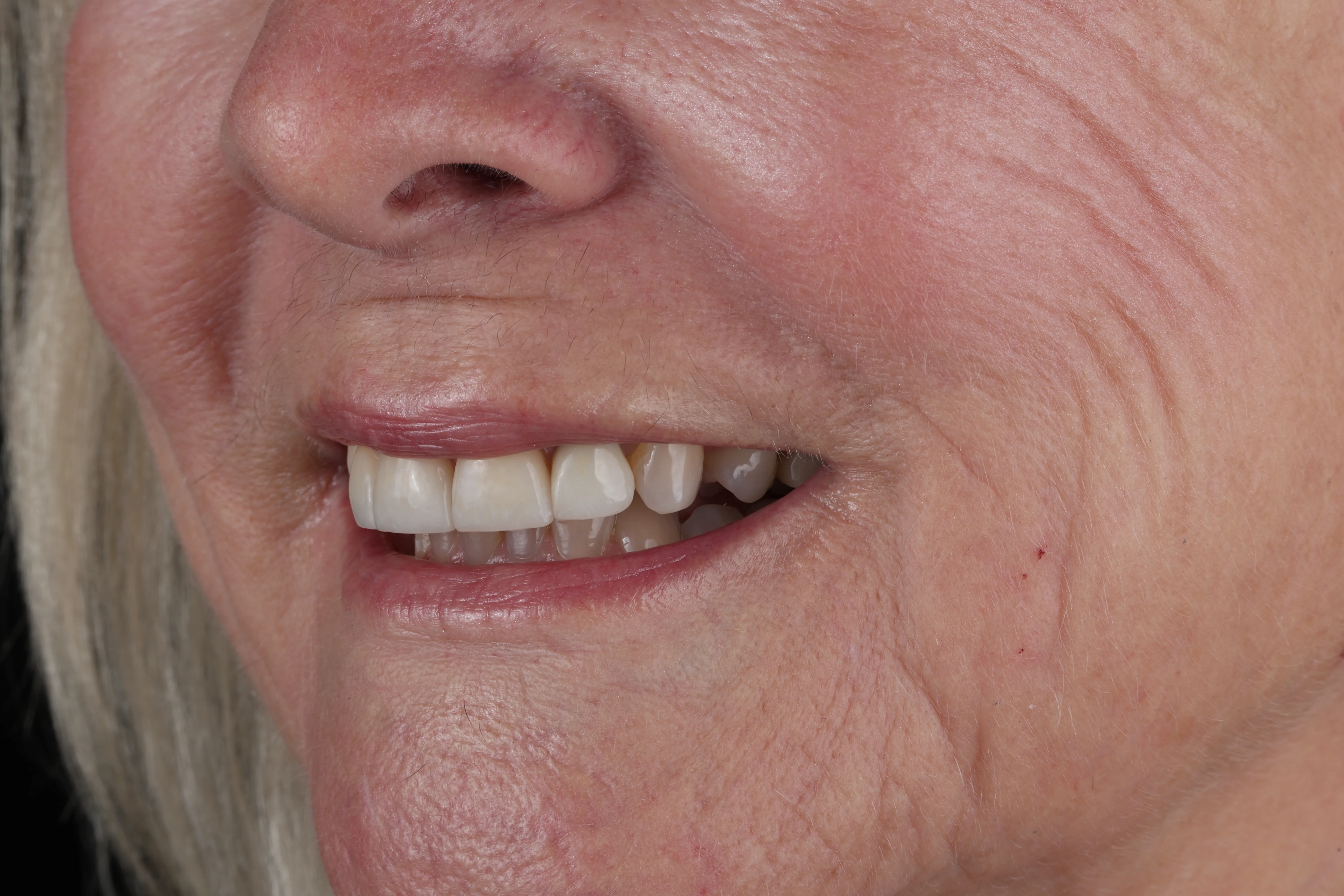
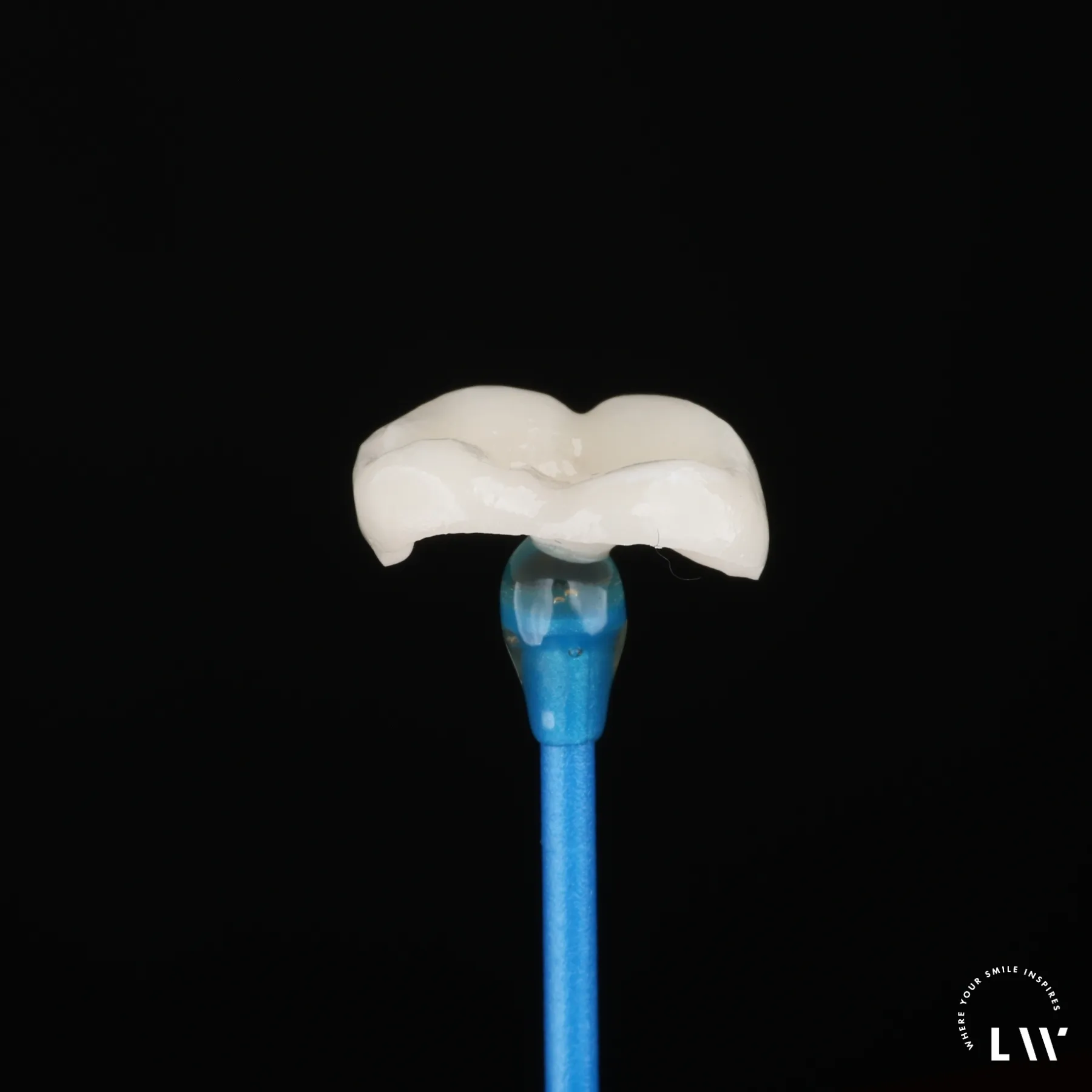
A dental crown is a custom restoration that covers and reinforces a damaged tooth. It is often recommended when a tooth has lost too much structure to be repaired predictably with a filling.
A crown can protect a cracked tooth, restore a heavily worn tooth, cover a tooth after root canal treatment, or rebuild a tooth with a large failing restoration. It does more than cover damage. It helps the tooth function within your bite.
The Livewell Difference

When we understand why a tooth broke down, we can design a crown that better supports the tooth moving forward.
Before we place a crown, we look at the full system:
We evaluate:
Because when we understand why things are breaking, we can choose a restoration designed to protect the tooth instead of simply covering the damage.
Three Reasons a Dental Crown From Livewell Is Built to Last
Protects What Is Left
A crown wraps and reinforces a weakened tooth, helping protect it from further cracking, breaking, or wear. It supports the remaining tooth structure so the tooth can keep functioning.
Restores Comfortable Function
A properly fitted crown helps restore chewing comfort and bite stability. We adjust the crown so it fits your bite and does not create unnecessary stress on the tooth or surrounding teeth.
Designed to Blend Naturally
Digital design and shade matching help your crown blend with your natural teeth in color, shape, and contour. The goal is a restoration that looks like it belongs in your smile.

Why Choose Livewell for Dental Crowns
A crown is a small restoration with a big job. It has to protect the tooth, fit your bite, feel comfortable, and blend with your smile. That level of detail requires time, planning, and careful clinical judgment.
At Livewell Dental, Dr. Chris reviews your case, makes the clinical decisions, and guides the treatment. The same doctor who evaluates the tooth and plans the crown is involved in placing and refining the final restoration.
- Private rooms and one patient at a time care
- 3D imaging and digital design tools when appropriate
- Direct access to Dr. Chris throughout treatment
- Shade matching and smile planning for natural-looking results
Hear From Our Patients

Crown vs Onlay vs Filling
| Feature | Crown | Onlay/Inlay | Filling |
|---|---|---|---|
| Coverage | Covers and reinforces the full visible tooth structure | Covers part of the tooth, often one or more cusps | Fills a smaller area of missing tooth structure |
| Structural support | Strong support for cracked, weakened, root canal-treated, or heavily restored teeth | Moderate support for damaged areas when a full crown is not needed | Best for small cavities with enough healthy tooth remaining |
| Best for | Cracked teeth, root canals, large restorations, cosmetic reshaping | Medium-sized damage where a full crown isn't needed | Small cavities with plenty of healthy tooth remaining |
| Longevity | Designed for long-term function with proper care and maintenance | Designed for long-term function when the tooth structure supports it | May need replacement over time depending on size, material, and bite forces |
| Tooth removal required | More than an onlay or filling because the crown must fit over the tooth | Less than a crown in many cases | Usually the most conservative option |
Many dental crowns last for years with proper care, but the exact lifespan depends on the material, bite forces, oral hygiene, grinding or clenching habits, and regular maintenance. At Livewell Dental, we evaluate your bite and tooth structure before treatment so the crown is designed for long-term function.
Dental crown treatment is performed with local anesthesia, so you should not feel pain during the tooth preparation. You may feel pressure or vibration during the appointment. Sedation options may also be available if you feel anxious or prefer additional support.
Most crown cases take two visits. The first visit includes tooth preparation, scanning or impressions, and placement of a temporary crown. The second visit is for checking the fit, bite, color, and final bonding of the permanent crown. Some complex cases may require additional planning or adjustments.
Yes, the goal is for your crown to blend with your surrounding teeth. We use digital design and shade-matching tools to help match the crown’s color, shape, and contour to your natural smile.
Many dental insurance plans provide partial coverage for crowns when they are medically necessary to restore or protect a damaged tooth. Coverage varies by plan, diagnosis, and frequency limits. Our team can review your benefits and help you understand your estimated out-of-pocket cost before treatment begins.
A crown can come loose if the cement bond fails, decay develops underneath, the bite places too much force on the crown, or the tooth structure changes over time. If your crown comes off, call us as soon as possible. In some cases it can be re-cemented; in others, the crown or tooth may need further treatment.
Many back teeth need a crown after root canal treatment because they handle heavy chewing forces and can become more vulnerable to fracture. Whether a crown is needed depends on the tooth, how much structure remains, and where it is located in your bite. Dr. Chris will explain what is appropriate for your case.
A dental crown typically runs $1,400 to $2,500 per tooth. That price includes your consultation, tooth prep, a temporary crown while the permanent one is made, lab fees, bonding, and final placement.
Good to know: if you have dental insurance, it often covers about 50% of a crown when deemed medically necessary, which can significantly reduce your out-of-pocket cost.