


.webp)

.svg)

What Is Bone Grafting?
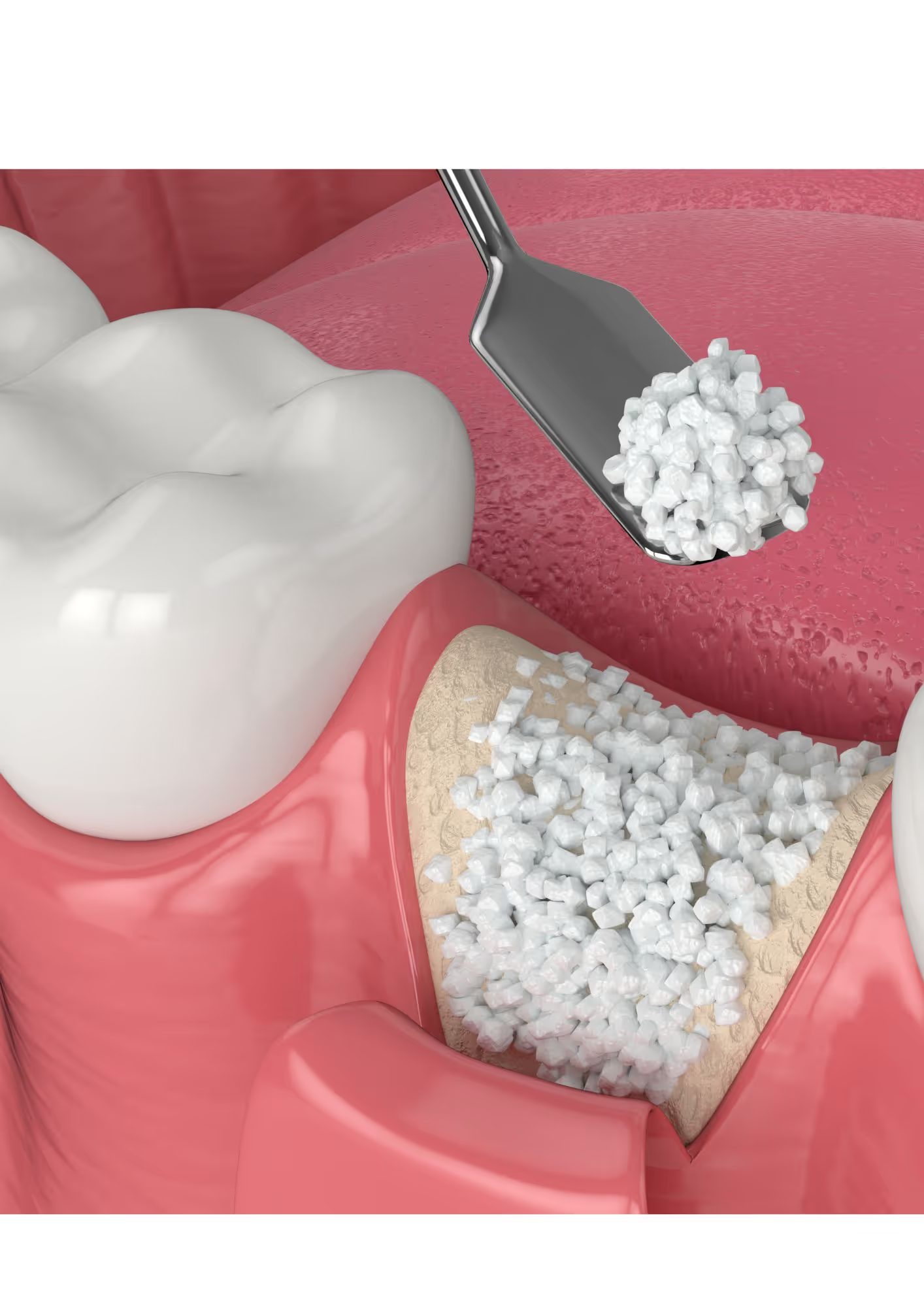
Bone grafting is a procedure that helps rebuild areas of the jaw where bone has become too thin or weak. This can happen after tooth loss, gum disease, infection, trauma, or years of wearing dentures.
During treatment, grafting material is placed where support is needed. Over time, your body uses this material as a framework to create stronger, healthier bone.
For many patients, bone grafting is an important step before dental implants. It helps create a stable foundation so your final result can feel secure, natural, and built to last.
You May Need a Bone Graft If
You have been missing a tooth for a while
After a tooth is removed, the jawbone in that area can slowly shrink because it no longer has a root to support.
You want dental implants
Implants need enough healthy bone to stay stable. A graft can help create the support needed before implant placement.
You were told you have bone loss
Bone loss can happen because of gum disease, infection, trauma, or long-term tooth loss.
Benefits of Bone Grafting
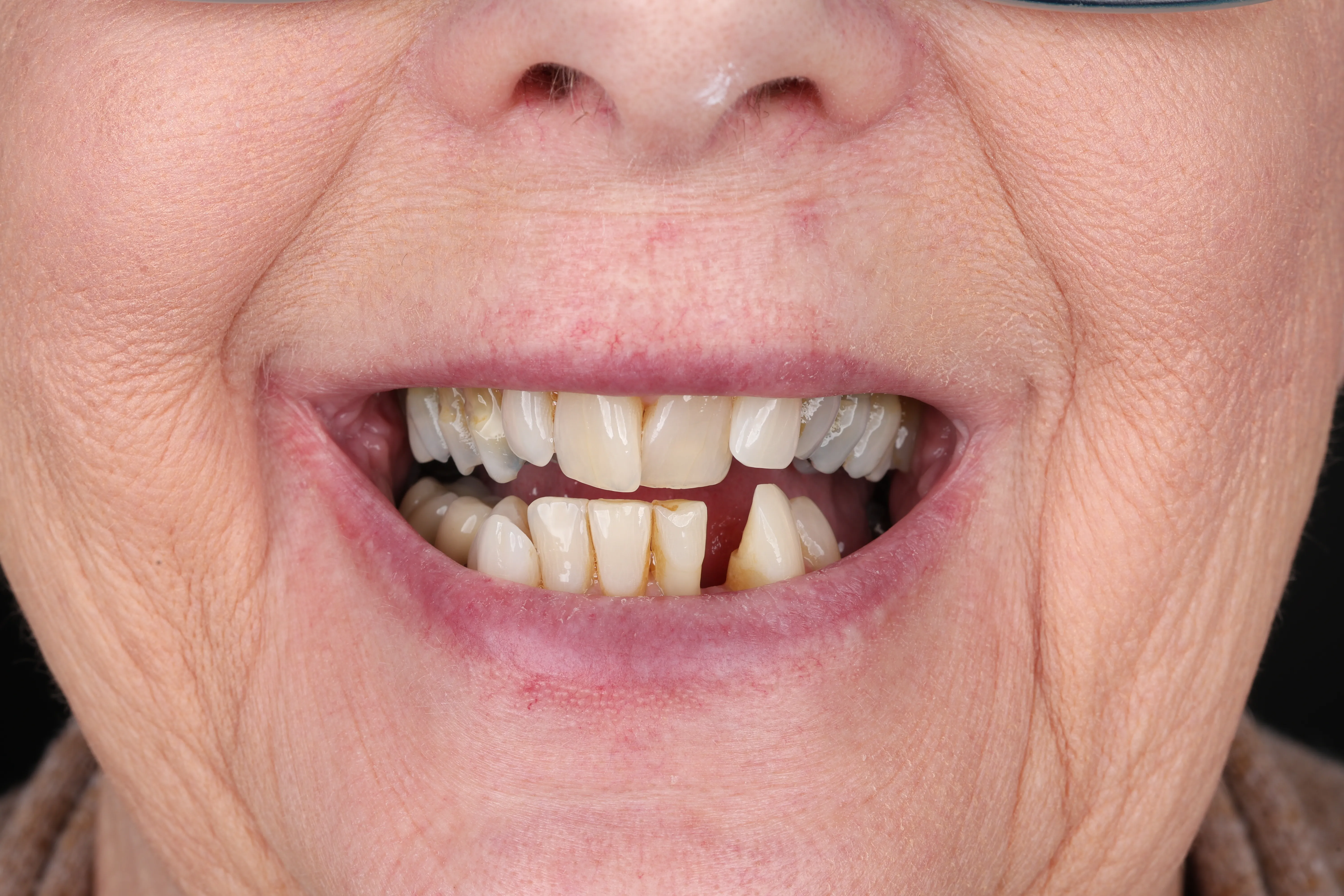
Bone grafting helps rebuild lost support in the jaw. For many patients, it is the step that makes future implant treatment more stable, predictable, and properly planned.

Supports Dental Implants
Preserves Facial Structure
Protects Long-Term Oral Health
The Bone Grafting Process

Bone Grafting With a Clear Plan, Not Guesswork
At Livewell Dental, bone grafting is never treated as a one-size-fits-all procedure. We look at the full picture first, including your bite, gum health, bone levels, smile goals, and long-term treatment options.
Our goal is to help you understand why grafting may be recommended and how it supports the final result you want.
Rebuild Lost Bone Faster, Using Your Body's Own Healing
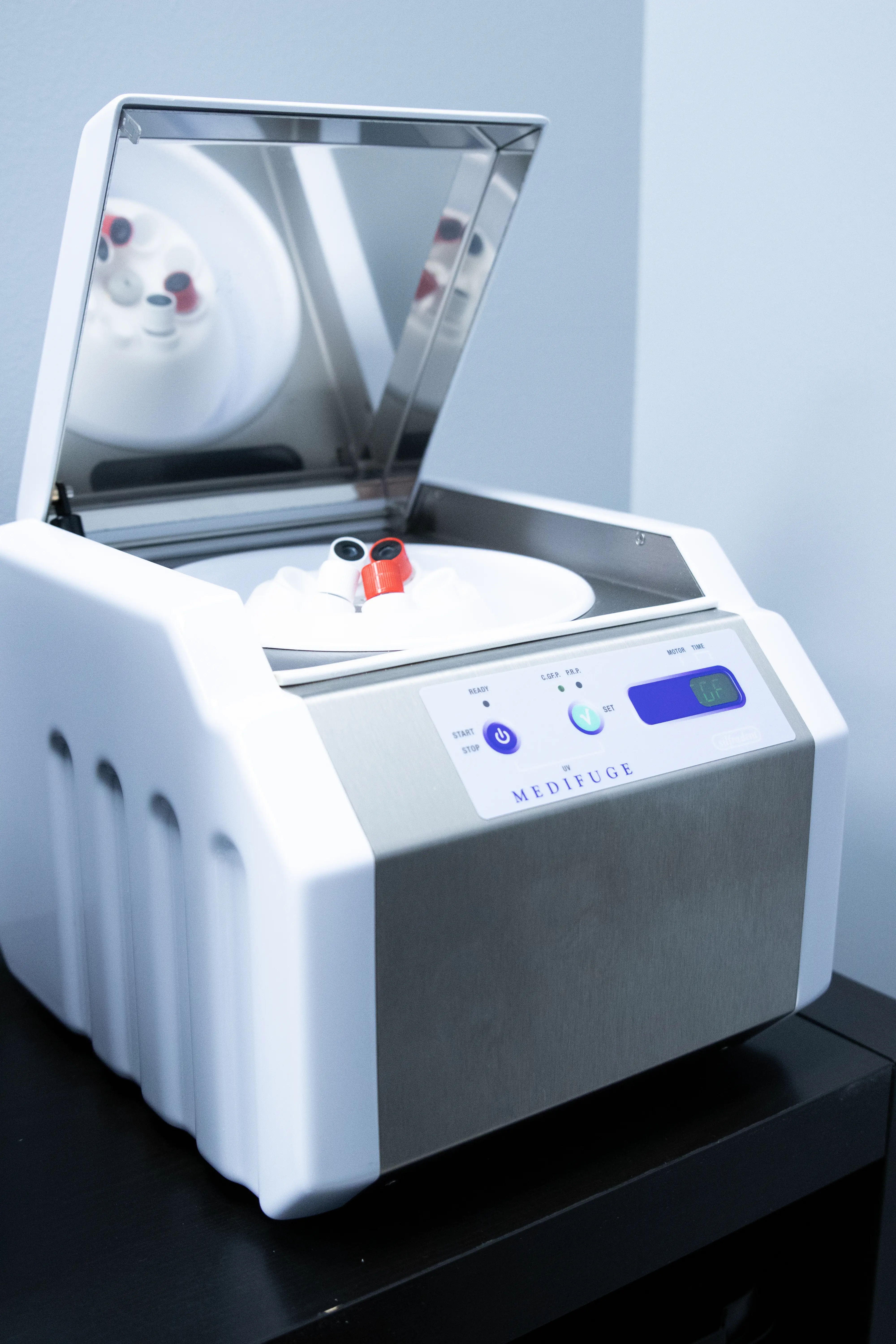
Platelet-Rich Fibrin (PRF), Made From Your Own Blood
Bone grafting restores volume where bone has shrunk or been lost. We combine your graft with PRF, a concentrate spun from a small sample of your blood, to form a stable, growth-factor-rich matrix often called sticky bone. This holds the graft in place and signals your body to convert it into strong, living bone more quickly.
Speeds how fast the graft becomes your own healthy bone
Keeps graft material stable and contained at the site
Lowers the chance of infection and post-operative complications
Uses only your own biology, with no synthetic additives
Trusted by Patients Who Want Their Smile Done Right
Patients choose Livewell Dental because they want more than a quick fix. They want thoughtful planning, honest guidance, and dentistry that supports their health for years to come.
Whether bone grafting is part of your implant journey or a step toward rebuilding your smile, we will help you feel informed, comfortable, and cared for from the beginning.

Not always. Some patients have enough healthy bone for a dental implant right away. Others need grafting first to create better support. We can tell you after reviewing your exam and imaging.
Most patients are surprised by how manageable the experience is. We use local anesthesia and comfort-focused care during the procedure. Some soreness afterward is normal and usually improves within a few days.
Healing time depends on the size and location of the graft. Many grafts need a few months to fully integrate before the next phase of treatment.
Different materials may be used depending on your needs. Dr. Chris will explain the safest and most appropriate option for your situation before treatment begins.
Sometimes grafting can help support areas affected by bone loss, but it depends on the condition of the tooth and surrounding structures. In other cases, grafting is used after a tooth extraction to prepare for a future replacement.
If bone loss continues, it may become harder to place a dental implant or restore the area later. A graft can help preserve your options and protect the foundation of your smile.
Not exactly. A sinus lift is a specific type of bone grafting used in the upper back jaw when more bone height is needed near the sinus. Learn more about sinus lift treatment
A bone graft typically runs $500 to $700 per site. The price depends on the type of graft material used and the complexity of the case, including how much bone is needed.