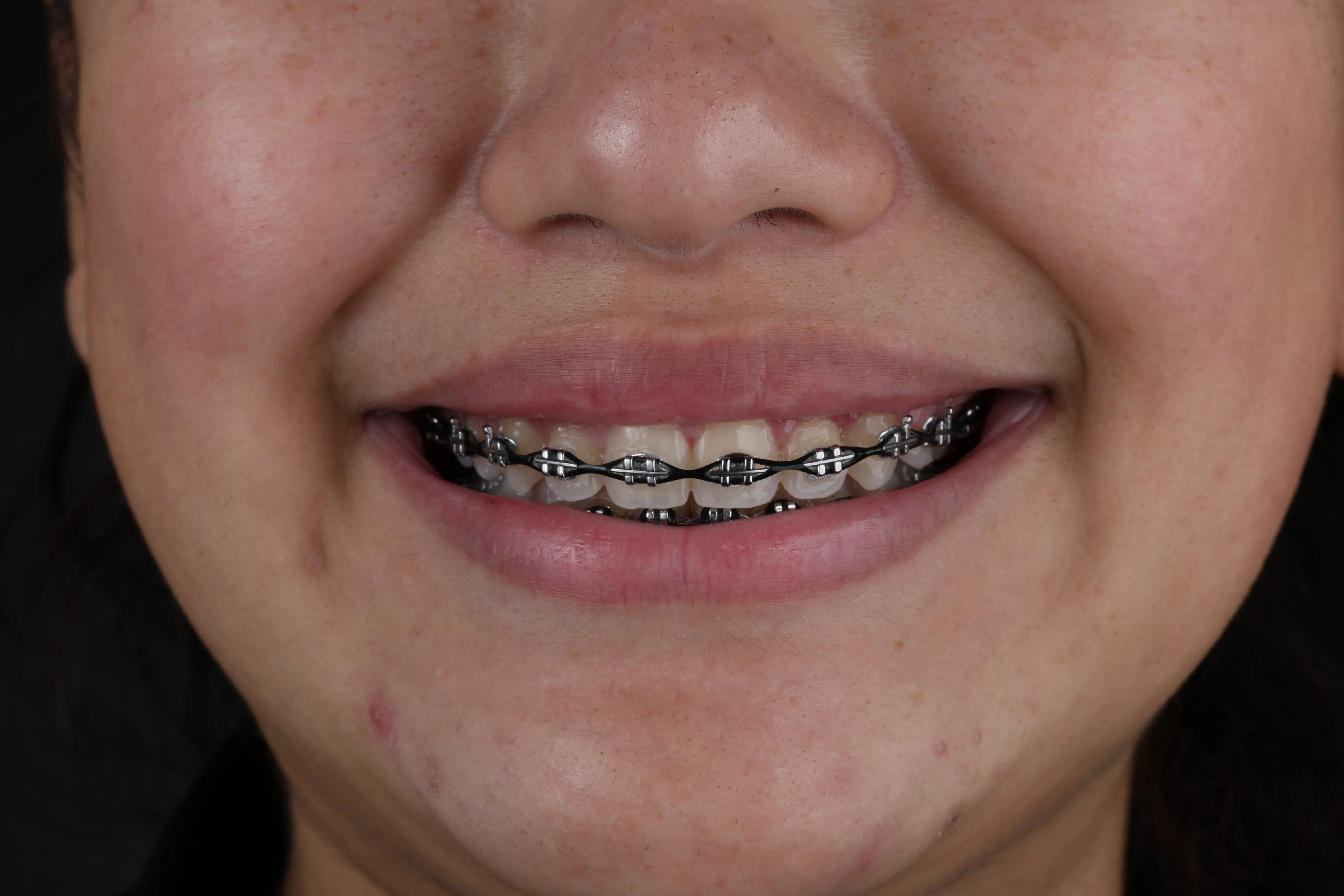

Dental braces case result at Livewell Dental in Fairfax Station, VADental braces case result at Livewell Dental in Fairfax Station, VA

320+

5 Star Reviews

Dental Braces in Fairfax Station, VA

Straighter teeth, corrected bite, lasting results
Complex cases done right the first time
One doctor managing your case, start to finish

Your Teeth Have Been Telling You Something. It's Time to Listen.

Maybe it's crowding you've lived with for years. A bite that doesn't feel right. Teeth shifting after a long time without treatment. Whatever brought you here, you already know something needs to change.

Crooked or crowded teeth: making cleaning harder and causing uneven wear over time
Bite problems: overbite, underbite, or crossbite putting stress on your teeth and jaw
Shifting or relapse: teeth that moved back after previous treatment
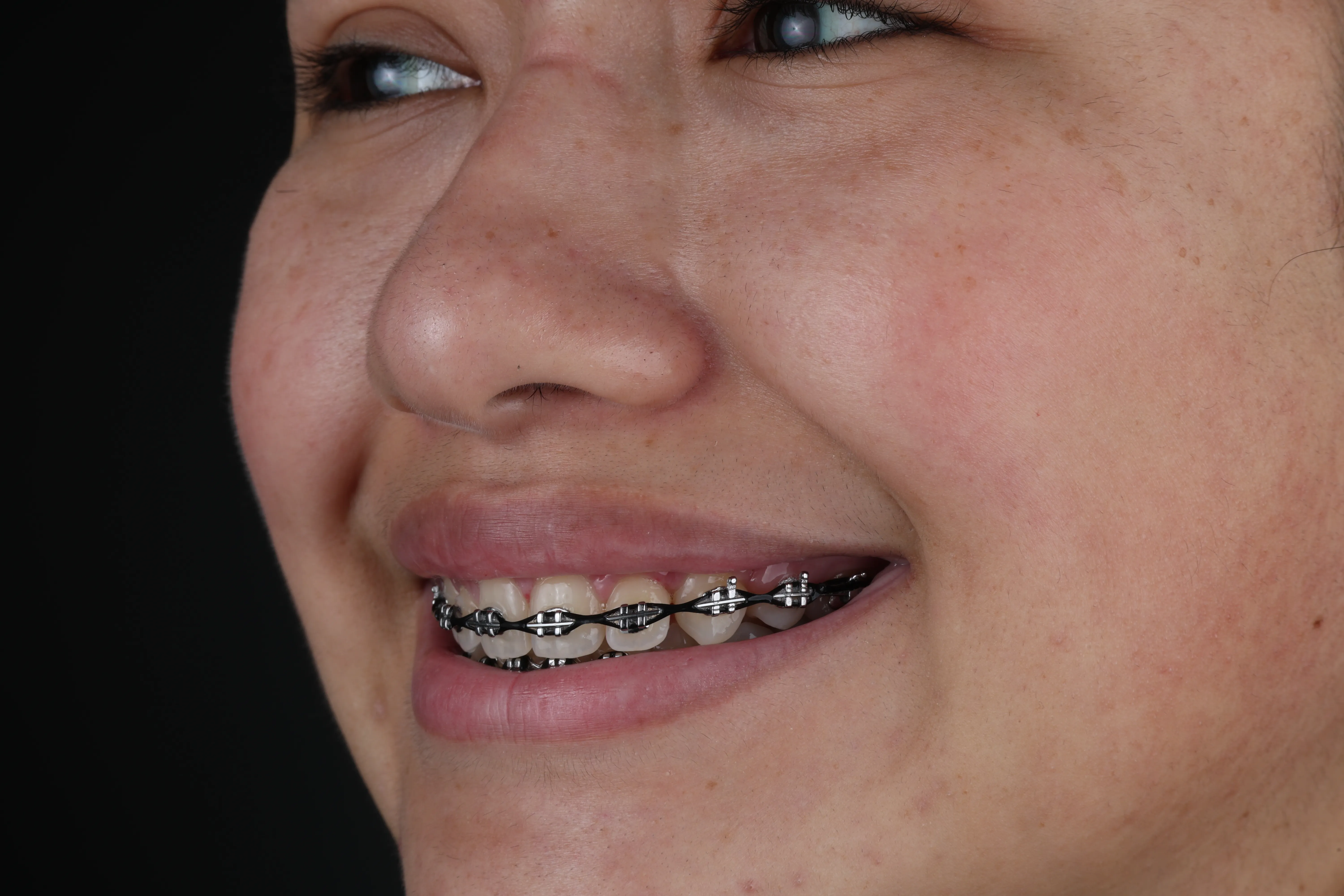
orthodontic treatment for crowded teeth at Livewell Dental
Dental braces orthodontic treatment at Livewell Dental

What Are Braces?

Braces use brackets bonded to your teeth and connected by an archwire to apply steady, controlled force that moves teeth into the correct position. They work on every tooth, in every direction, simultaneously - which is why complex cases respond to them differently than other options.

Modern brackets are smaller, lower-profile, and more comfortable than what most people picture. The stigma is outdated. The precision isn't.

We Don't Ask "Can We Fix This?" We Ask Why It Happened in the First Place.

Dr. Chris Kim planning orthodontic treatment at Livewell Dental

A misaligned bite isn't random. It develops over time - driven by jaw growth patterns, muscle habits, missing teeth, or restorations that changed how everything fits together. Straightening without understanding the cause can make relapse more likely.

What's driving the misalignment - jaw structure, muscle imbalance, or tooth position?
Are there signs of wear or TMJ stress that need to be part of the treatment plan?
Is this purely an orthodontic problem, or does it involve how the teeth bite together?
Are there existing restorations that affect how we move teeth and where we finish?
What does the bone and gum health look like before we start applying force?

We plan treatment around the cause, not just the appearance. That’s the difference between chasing alignment and planning for stability.

Why Braces Still Win in the Right Case

01

More Control Over Complex Movements

Brackets give us direct attachment to every tooth. That means we can apply force in directions and with precision that other options can't always match. For rotations, extrusions, and significant bite correction, that control matters.

02

The Plan Doesn't Depend on You

Braces work around the clock. There's no compliance variable. For patients who want to commit once and let the treatment do its job, that consistency produces more predictable outcomes.

03

The Right Tool Changes the Result

Choosing braces when the case calls for them isn't settling - it's clinical judgment. Done right, once, with the correct tool, is a better outcome than the wrong approach done twice.

How We Plan Your Case

Not All Braces Are the Same - and That Matters More Than You Think
1
We Start With the Full Picture, Not Just the Crowding
Your first appointment includes a clinical exam, intraoral scan, bite analysis, and X-rays. We're evaluating jaw structure, bone health, gum tissue, and how your teeth function together - not just what looks crooked. That diagnostic work is what makes the treatment plan accurate.
2
Your Treatment Map Is Built Before Anything Is Bonded
We use your 3D scan and imaging to plan the full sequence of tooth movement before placing a single bracket. You understand what we're correcting, in what order, and why - before you commit to anything.
3
One Doctor. Every Appointment. No Assembly Line.
Dr. Chris handles every adjustment personally. There are no handoffs to an associate or a tech. When something needs to change mid-treatment, the person who designed your plan is the one making the call - every time.
4
Adjustments Are Tracked, Not Just Scheduled
Every visit includes a comparison against your treatment plan. We're not just tightening wires on a calendar - we're measuring whether teeth moved as projected and adjusting force accordingly. Progress is documented, not assumed.
5
Debond Done Right. Retention Built for Stability.
When braces come off, we document your result and fit you with retainers designed for your specific finish. The retention phase is part of the plan, not an afterthought, because keeping the result matters as much as creating it.

What Careful Planning Can Change

Every smile you see here started with a conversation, a full examination, and a plan built around that specific patient. No shortcuts, no assumptions, just dentistry done right the first time.
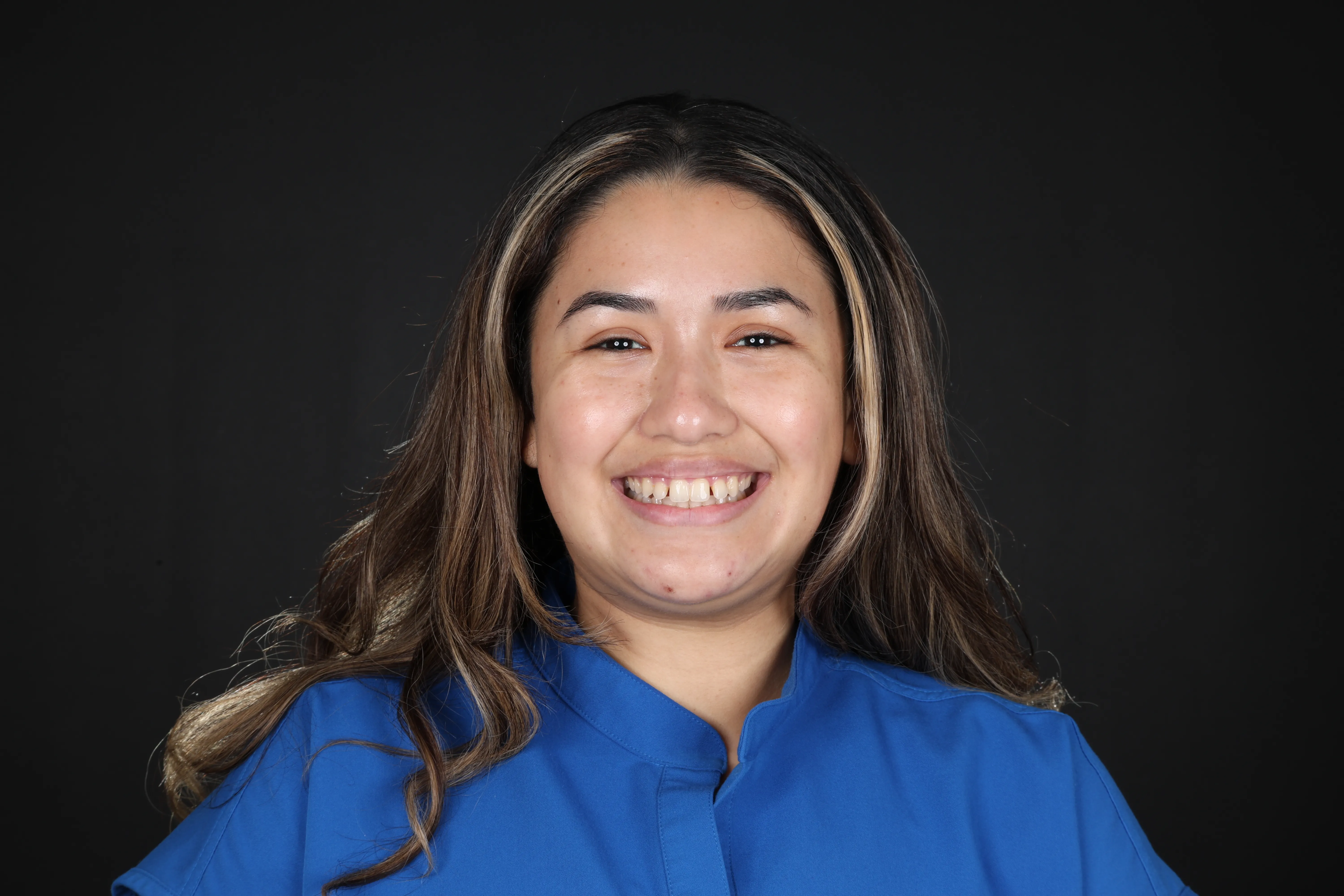
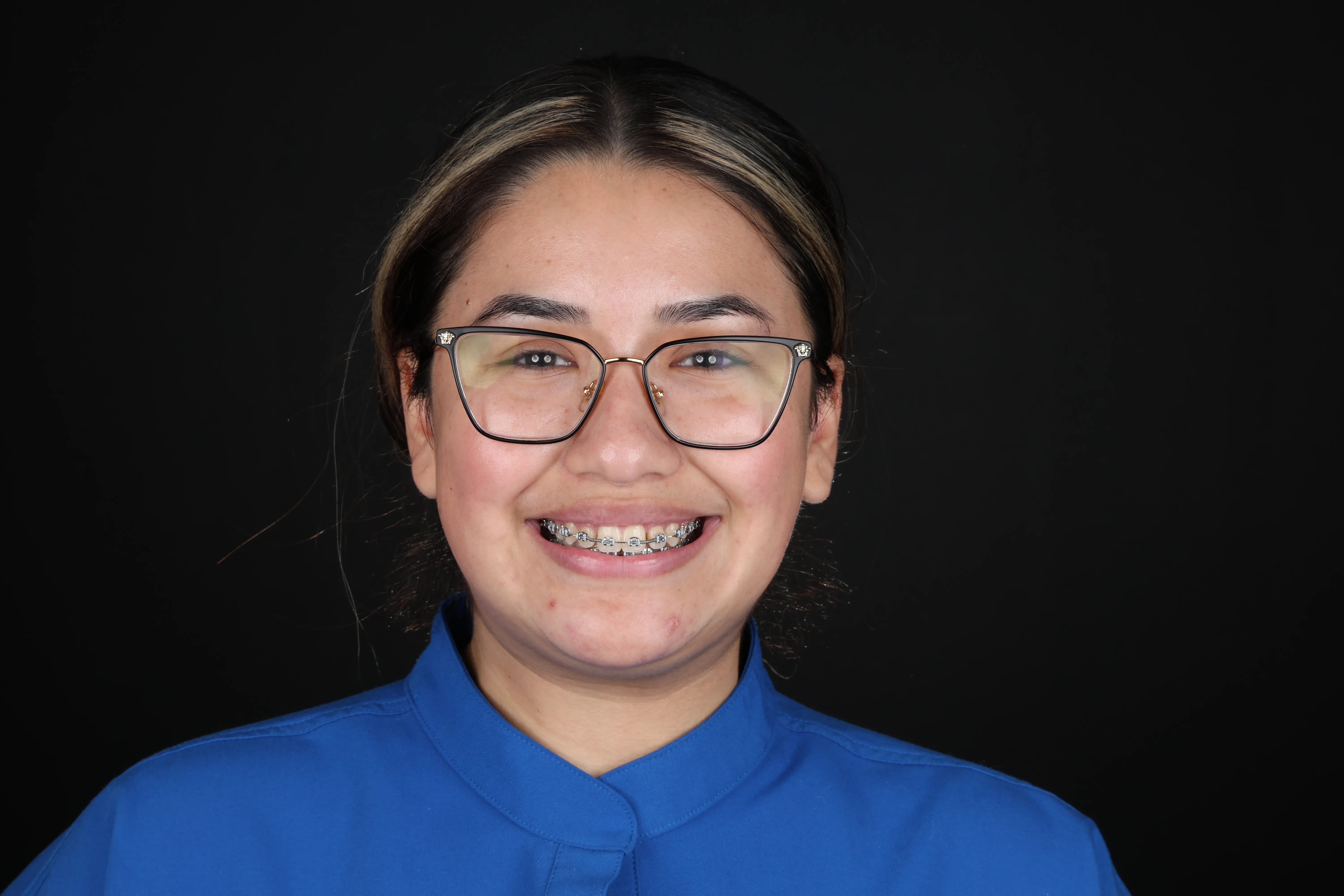
Before braces treatment at Livewell Dental
Deep overbite
Lower crowding
Shifted midline
Unexplained pain
Gum recession on lower front teeth
After braces treatment result at Livewell Dental
Bite corrected
Lower teeth aligned
Midline centered and stable
Gum health maintained
Pain gone, function fully restored
Deep overbite
Lower crowding
Shifted midline
Unexplained pain
Gum recession on lower front teeth
Bite corrected
Lower teeth aligned
Midline centered and stable
Pain gone, function fully restored
Gum health maintained

Braces vs. Invisalign - Which One Is Right for You?

Braces
Invisalign
VisibilityNoticeable during treatmentNearly invisible
RemovableNo - works continuouslyYes - worn 20-22 hrs/day
Bite correctionFull rangeModerate to significant
Complex movementsHighest controlGood for mild to moderate
Ideal forComplex bite correction, rotationsMild to moderate cases

The Technology We Use Is Chosen for Accuracy, Not Show

Intraoral Scanning

We take a full 3D digital scan of your teeth and bite before any bracket is placed. That model drives the treatment plan and gives us a precise baseline to measure every stage of progress against.

CBCT 3D Imaging

For cases involving significant bite correction, we use cone-beam CT imaging to see bone structure, root positions, and jaw anatomy in three dimensions. We use it when the case warrants it, especially when bite correction needs more detail.

Digital Treatment Planning

Your full sequence of tooth movement is mapped digitally before treatment starts. We can show you the planned progression, identify potential obstacles early, and set accurate expectations for each phase of the case.

Dentofacial Analysis

Bite correction isn't just about how teeth fit together - it's about how the result looks in the context of your face. We evaluate your lip line, smile width, and facial proportions as part of the planning process, not as an afterthought.

TMJ Video Analysis

For cases involving jaw position or bite correction, we evaluate jaw movement and joint function before and during treatment. Moving teeth without understanding how the jaw functions is how bite problems get traded for new ones.

Professional Studio Photography

We document your teeth before, during, and after treatment with professional photos. That record lets us track progress precisely, catch deviations early, and give you a clear before-and-after of what treatment actually produced.

How long does treatment with braces take?

Most cases run 18 to 24 months. Complex bite correction can take longer. We give you a realistic timeline based on your specific case after a full diagnostic review - not an estimate designed to get you started.

Are braces uncomfortable?

There's an adjustment period after bonding and after each tightening. Most patients describe it as pressure rather than pain, and it typically settles within a day or two. Modern low-profile brackets are significantly more comfortable than older designs.

Can adults get braces?

Yes. Bone continues to respond to orthodontic force throughout adulthood. Many of our braces patients are adults who either didn't get treatment as kids or whose bite shifted over time. Age is not a barrier to a good result.

What happens when braces come off?

We remove the brackets, polish the tooth surfaces, and fit you with retainers. The retainers hold everything in position while bone remodels around the new tooth positions. Wearing them as instructed helps keep your result stable over time.

Are braces better than Invisalign?

Not always. Braces may be better for complex bite correction, rotations, or cases where removable aligners may not give enough control. Invisalign may be a better fit for mild to moderate cases. You can compare both options on the Invisalign page or the Orthodontics page.

Can braces help with jaw pain or TMJ problems?

Sometimes braces can be part of a larger plan when bite problems are contributing to jaw stress. TMJ symptoms need a proper diagnosis first, because jaw pain can come from several causes. Learn more about TMJ treatment.

Can I get braces if I have crowns, veneers, or implants?

Often, yes, but the treatment plan needs to account for existing dental work. Crowns, veneers, implants, and missing teeth can affect how teeth move and where the bite should finish. A comprehensive evaluation helps us plan safely. Learn more about the dCOE evaluation

Frequently Asked Questions