





.svg)

Planned Around Your Bite and Final Teeth
At Livewell, Dr. Chris considers the replacement tooth before planning the implant beneath it. He reviews your bite, gum health, bone, and neighboring teeth so the surgical plan supports the final crown or bridge.

Complete evaluation of your oral health, bone structure, and aesthetic goals

Digital treatment planning to visualize your final result before we begin

Surgical guides when appropriate to support planned implant positioning
Follow-up care to monitor your implants, gums, and bite
Implant Options at Livewell Dental
Your choice depends on how many teeth need replacing, your bone support, and whether you prefer fixed or removable teeth. Dr. Chris will explain suitable options, treatment stages, and costs at your consultation.

Single Implants
One implant supports a custom crown to replace a missing tooth. Dr. Chris plans its position and the crown together to fit your bite and surrounding teeth. Healing generally takes several months.
Implant Bridges
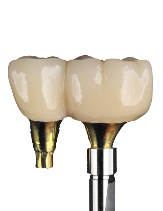
An implant bridge replaces several neighboring teeth without using the adjacent natural teeth as supports. Dr. Chris determines the number of implants needed from the size of the gap, bone support, and bite.
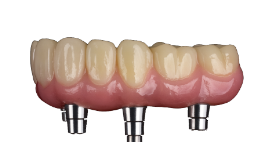
All-on-X
Multiple implants support a fixed set of upper or lower teeth. Dr. Chris assesses whether this approach suits your case and whether temporary teeth can be fitted on the day of surgery.
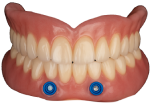
Locator-Retained Dentures
A removable denture snaps onto implants for added stability. You take it out for cleaning. Dr. Chris plans the number and position of implants around your jaw and denture needs.
Compare Your Implant Options
| Feature | Single Implant | Implant Bridge | Locator-Retained Denture | All-on-4 / All-on-X |
|---|---|---|---|---|
| Best for | One missing tooth | Several adjacent missing teeth | Full arch, removable option | Full arch replacement |
| Number of implants | 1 | Varies by bridge | Varies by jaw and plan | Typically 4-6 per arch |
| Removable? | No | No | Yes (snaps on/off) | No |
| Treatment time | Several months | Several months | Several months | Temporary teeth may be same-day |
| Bone graft needed? | Sometimes | Sometimes | Depends on bone support | Depends on bone support |
| Ideal if you want | Fixed single tooth | Stable multi-tooth solution | Secure denture retention | Fixed, non-removable arch |

One Doctor. Your Entire Journey.
Dr. Chris leads implant planning, placement, and restoration at Livewell Dental. Mantua patients can return to the same Fairfax Station practice for treatment and follow-up. If specialist care is appropriate, Dr. Chris will discuss that with you.
- In-House Implant Care. Planning, placement, and restoration at Livewell.
- Planned Before Day One. Final crown designed before surgery begins.
- 3D-Guided Planning. Implant placement is planned with digital imaging and guidance when appropriate.
- Sedation Available. Comfort options at every stage.
- Fully Documented. Photos and scans tracked throughout.
Technology Used in Your Implant Care
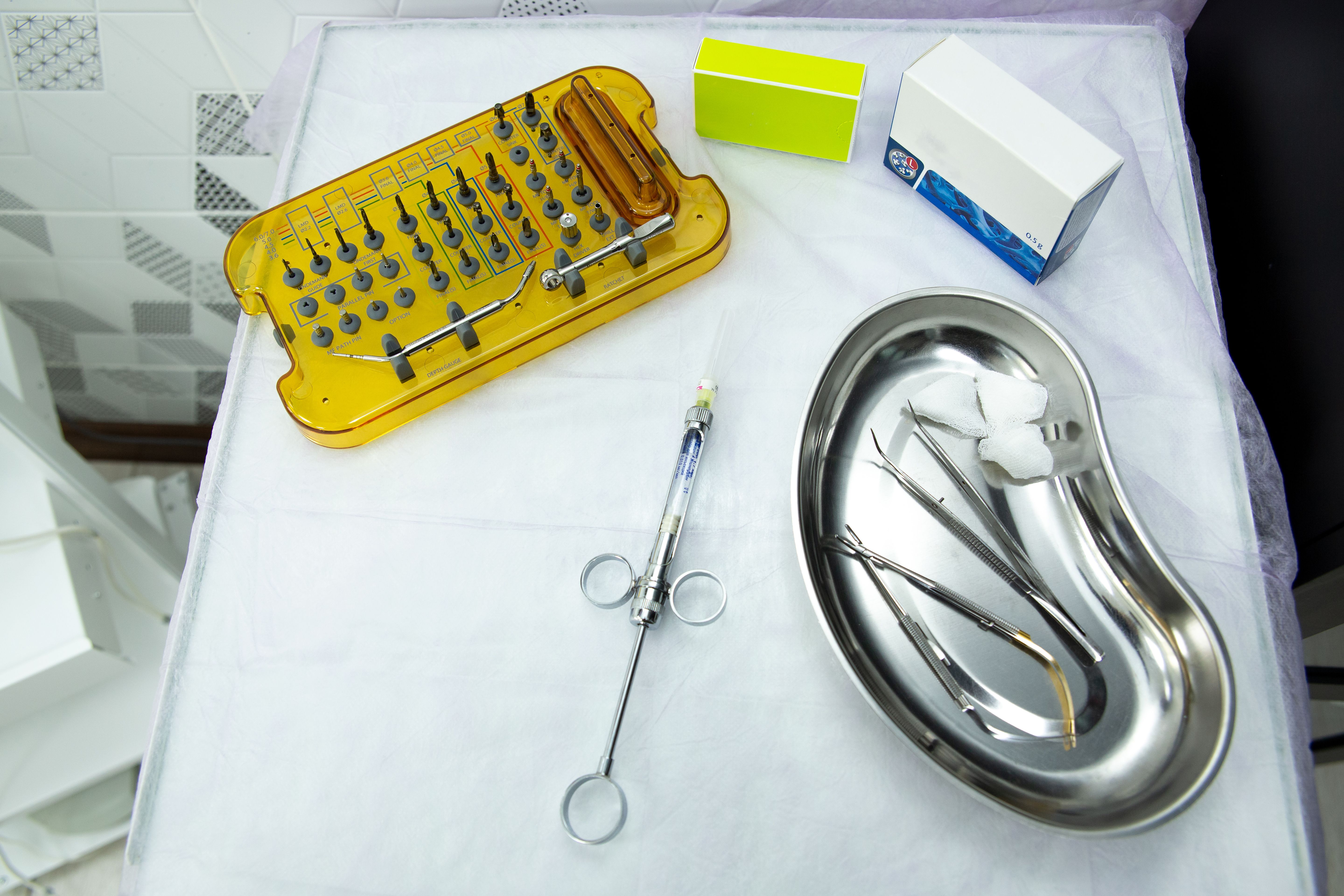
Livewell uses 3D imaging, digital records, and surgical planning tools to assess your anatomy and plan treatment. Dr. Chris selects the tools appropriate for your case.

CBCT 3D Imaging

3D Printing & Guided Surgery

Implant Selection

PRF and CGF Healing Support

Surgical Piezosurgery

Modern sedation and comfort techniques
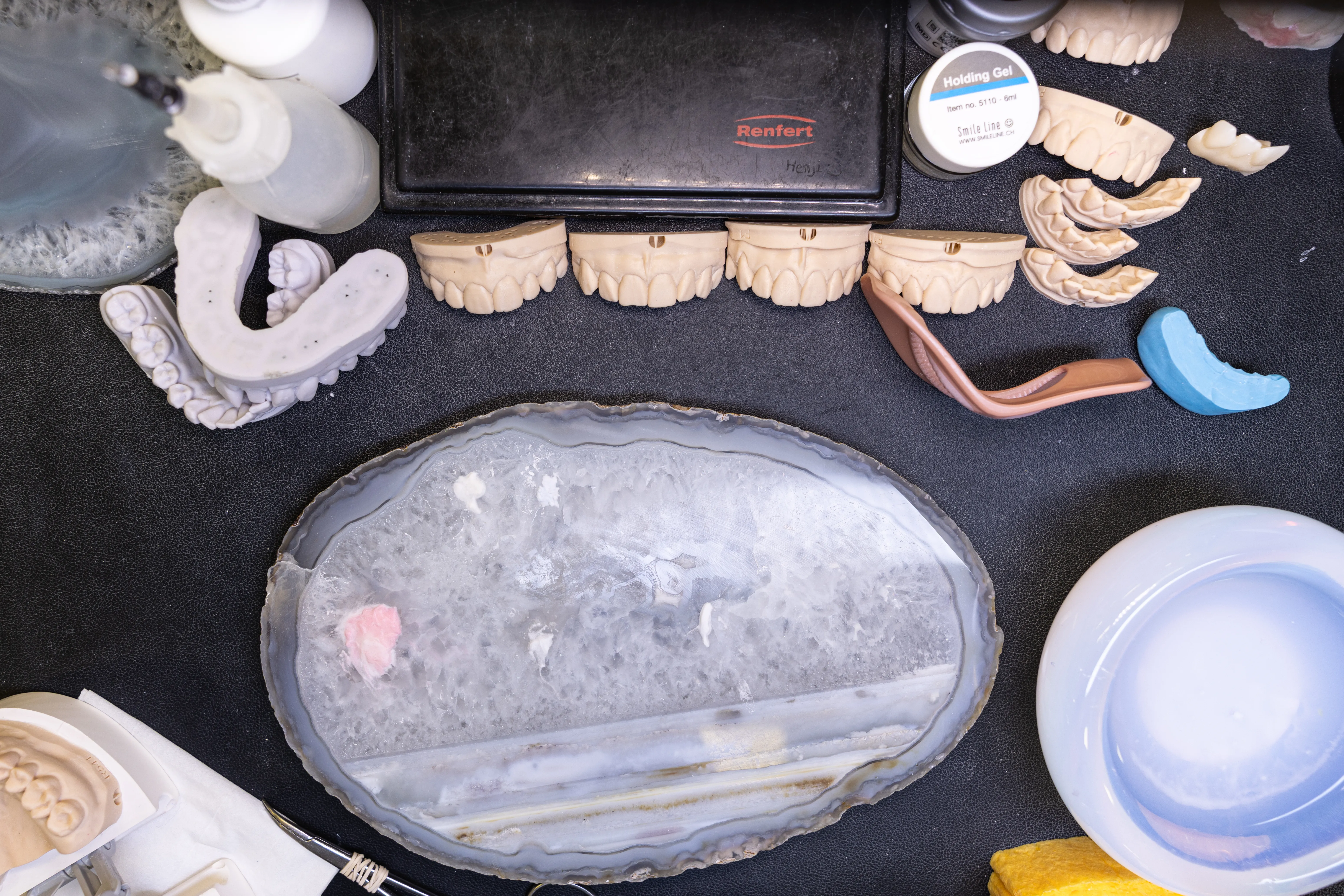
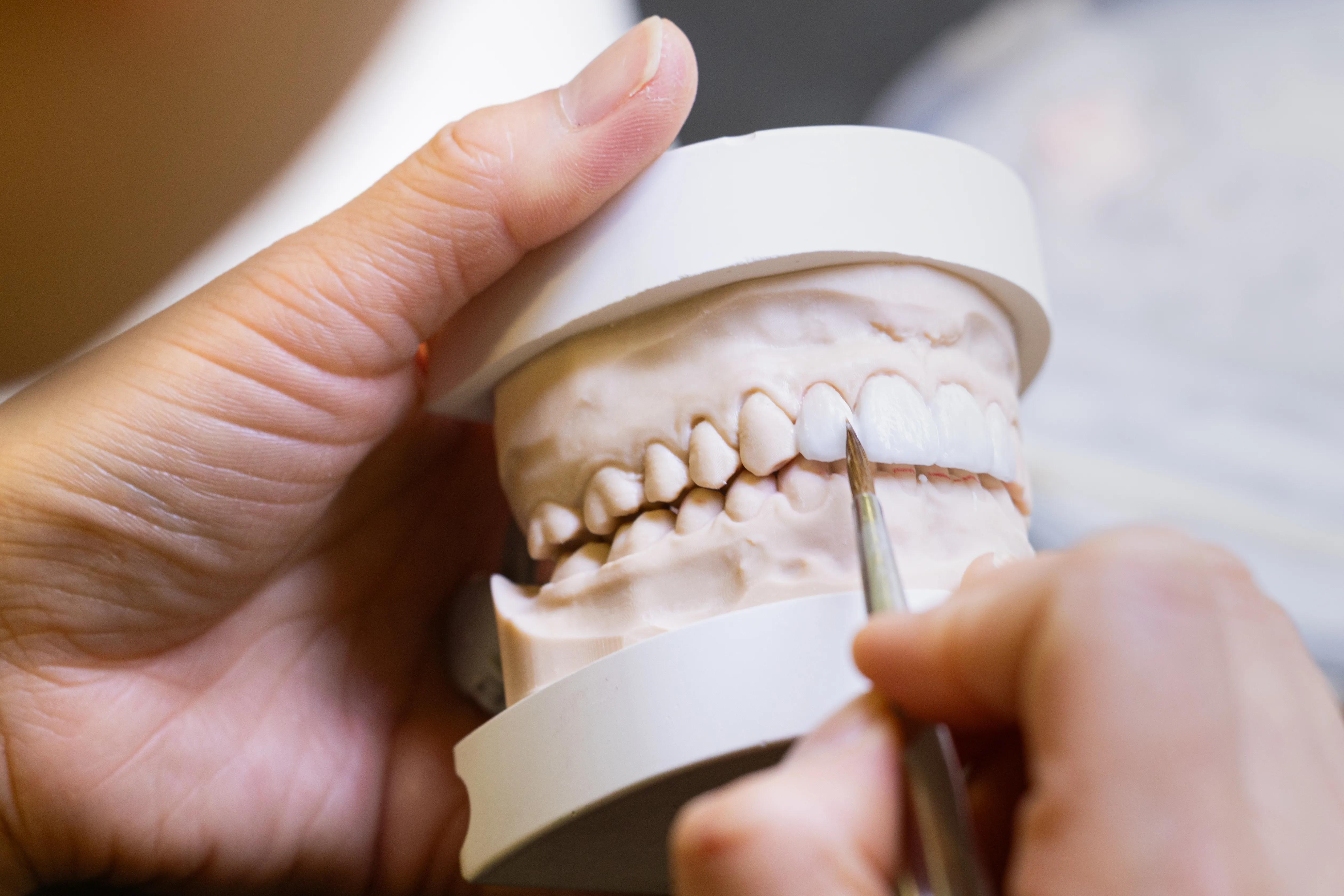
The Craft Behind the Smile
Is This the Right Option for You?

You have one or more teeth missing
You’ve had a bridge, partial, or denture that never felt quite right

You avoid certain foods or chew on one side

You’ve had repeated dental work in the same area and want something that lasts
.svg)
You want to compare implant treatment with other replacement options

You want to restore your bite in a way that feels strong, cleanable, and natural
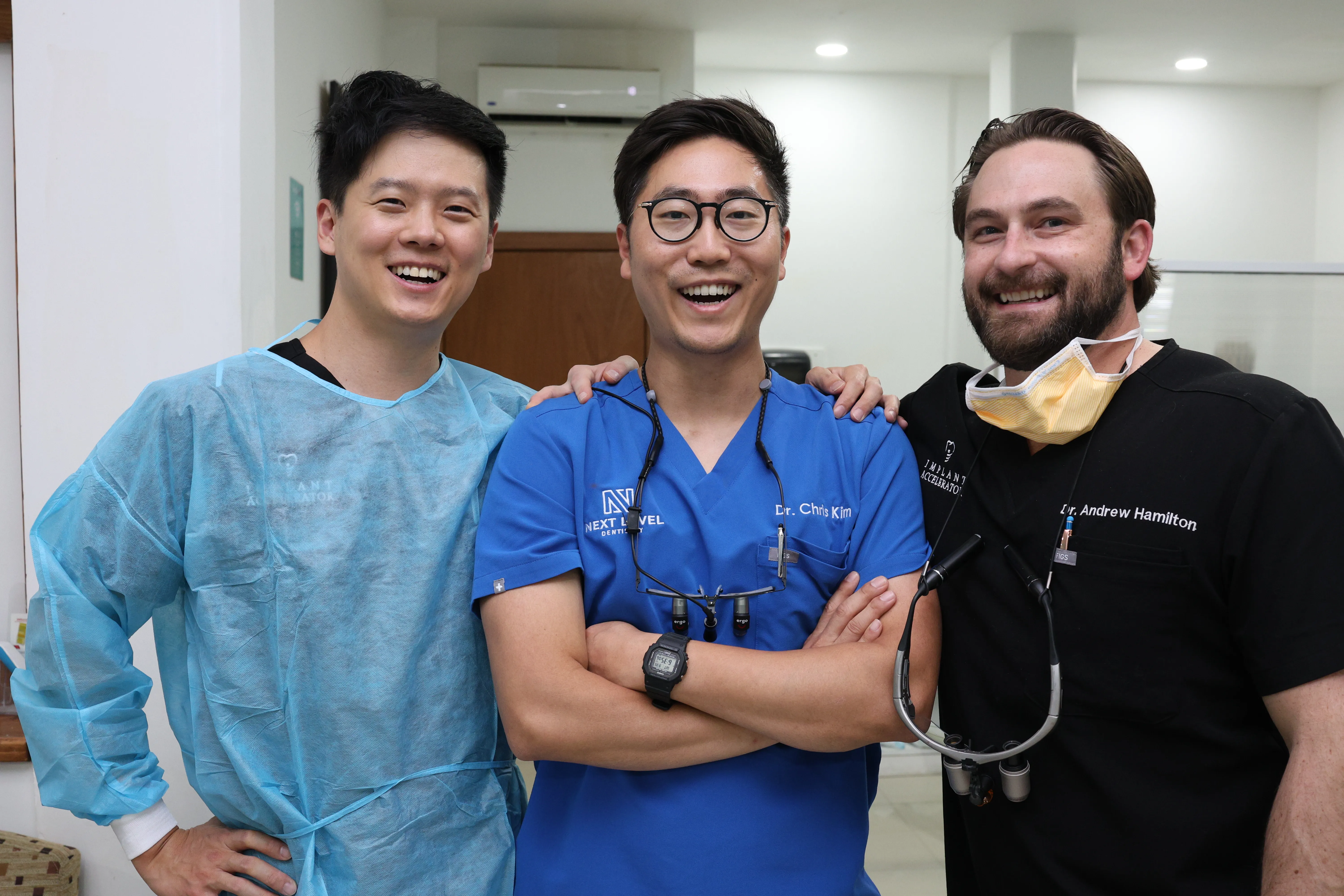
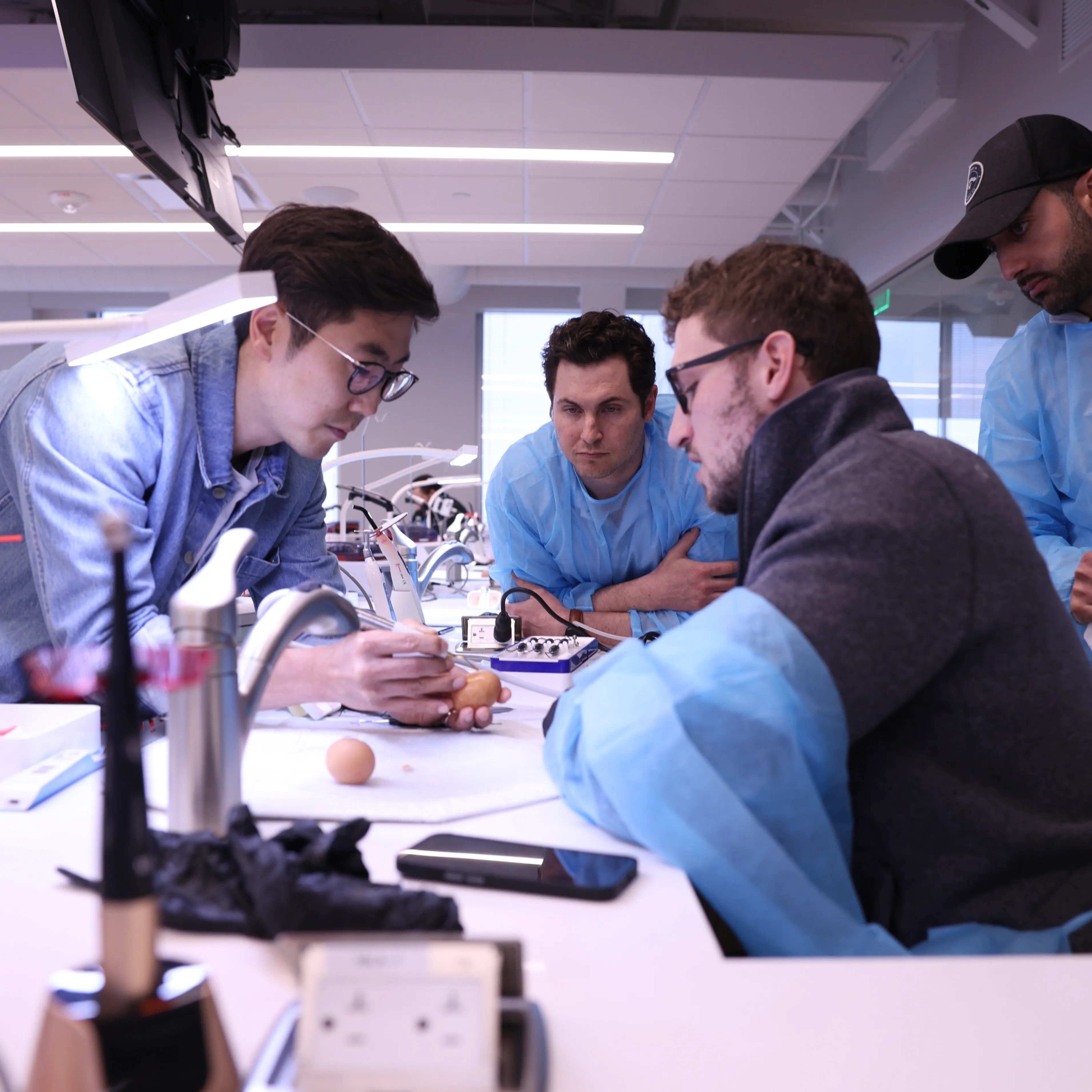
Clinical Instructor at Implant Accelerator.

Why Mantua Patients Choose Implants at Livewell
Care Led by Dr. Chris
Dr. Chris plans, places, and restores implants at Livewell, connecting your surgical care with the design of your final teeth.
Planning You Can Understand
Dr. Chris uses your examination and 3D imaging to explain your options, bone support, and the steps involved before treatment begins.
Follow-Up at the Same Practice
Return to our Fairfax Station office for healing checks and ongoing implant care, with a team familiar with your treatment.
Implants, Done the Livewell Way
A Livewell Patient’s Before and After
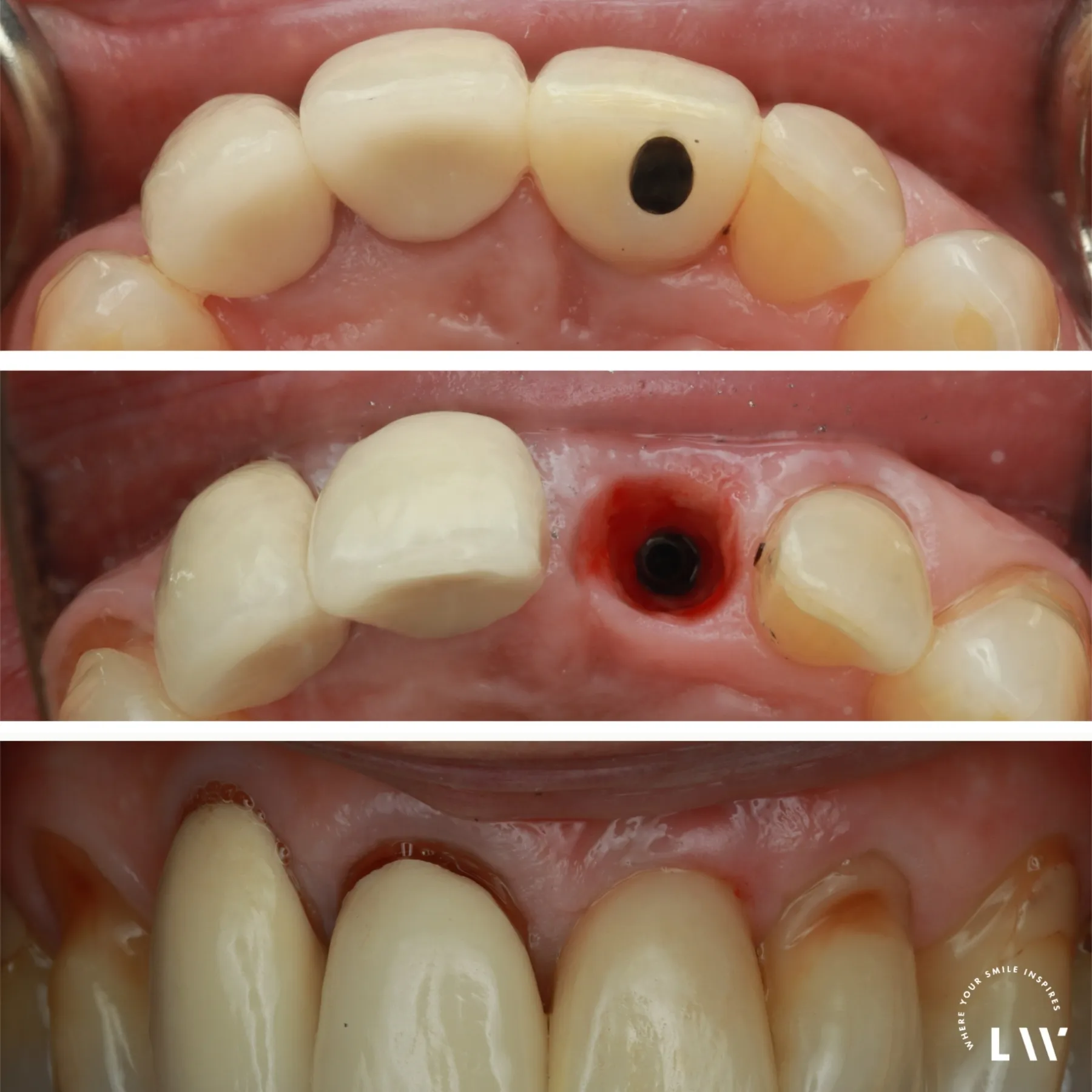
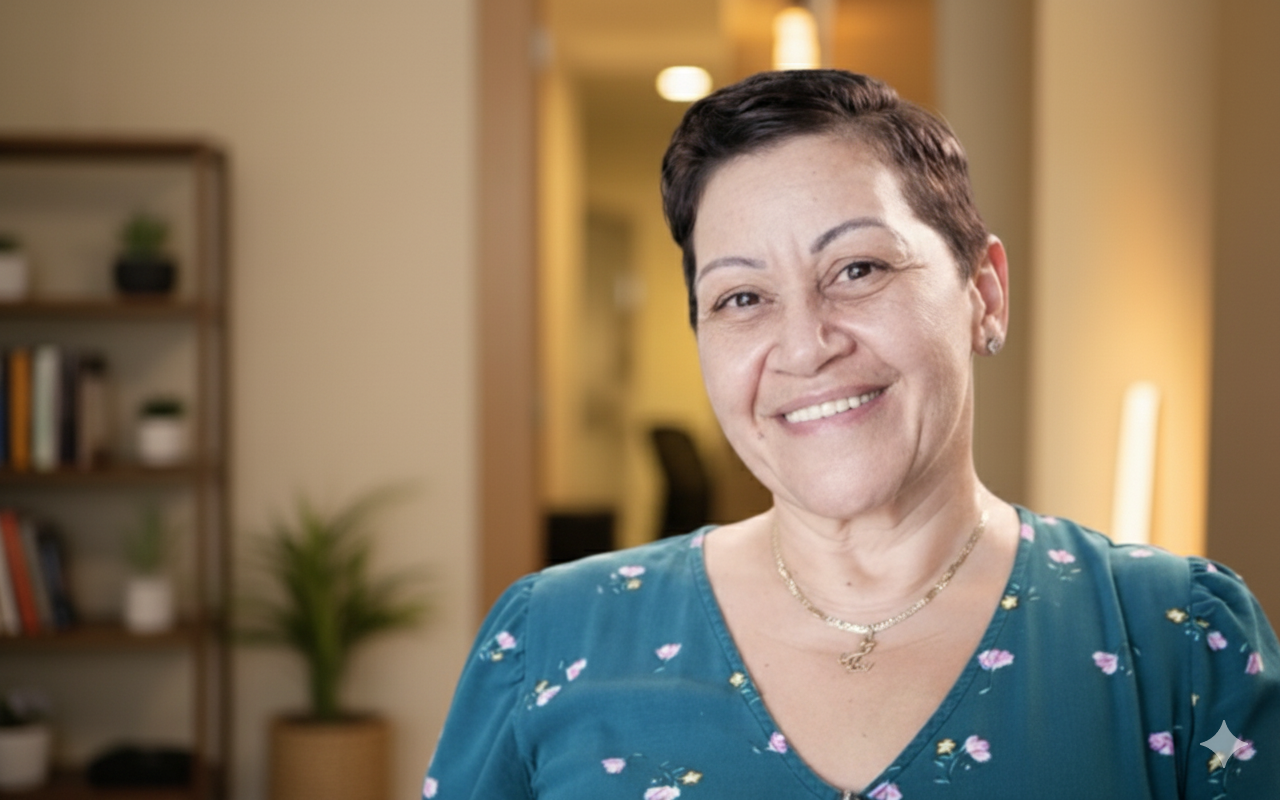
This patient came to Livewell with several missing teeth and failing restorations. A coordinated restorative plan brought their care together and restored a full arch of teeth. These photos show the result featured on Livewell’s implant page.
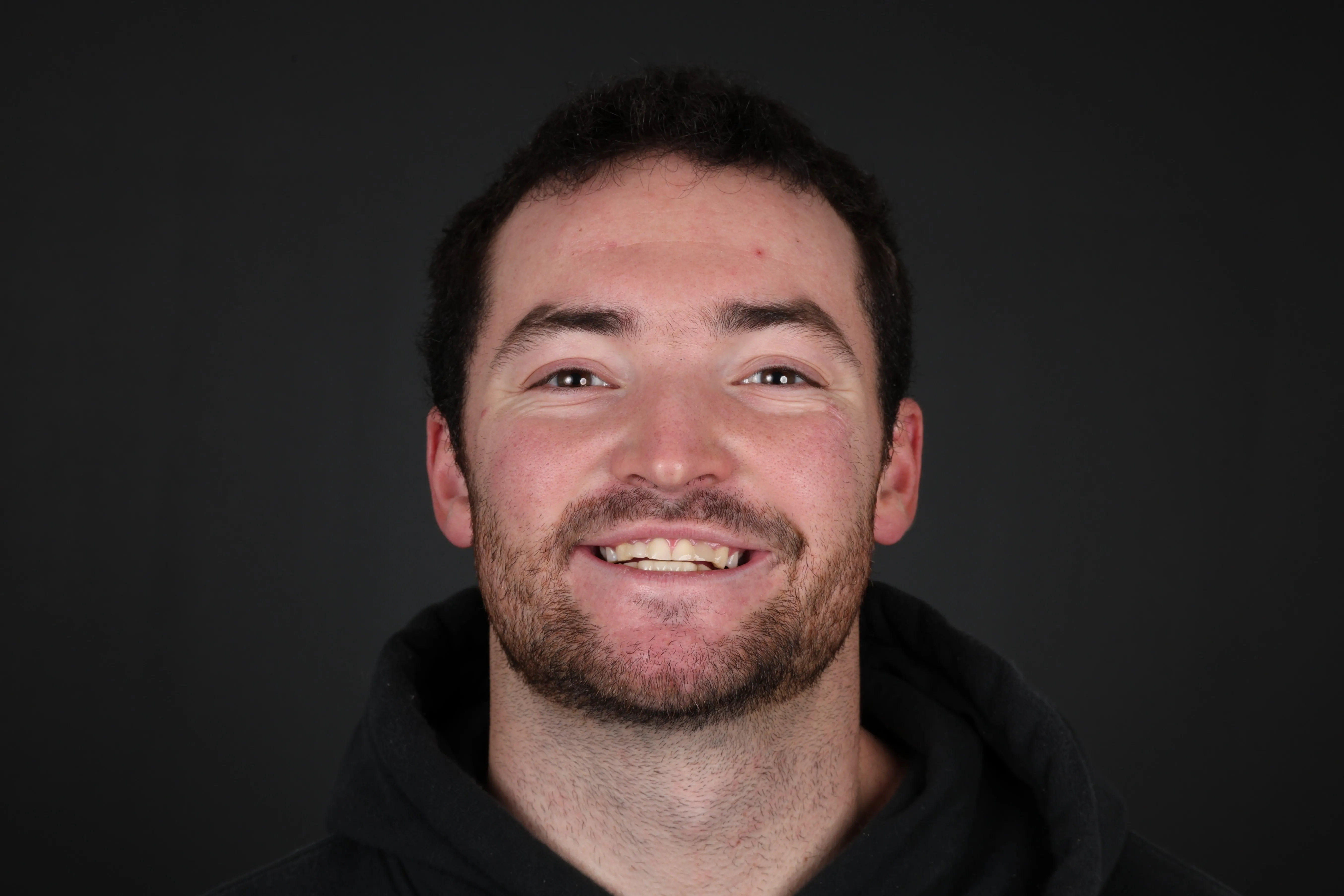
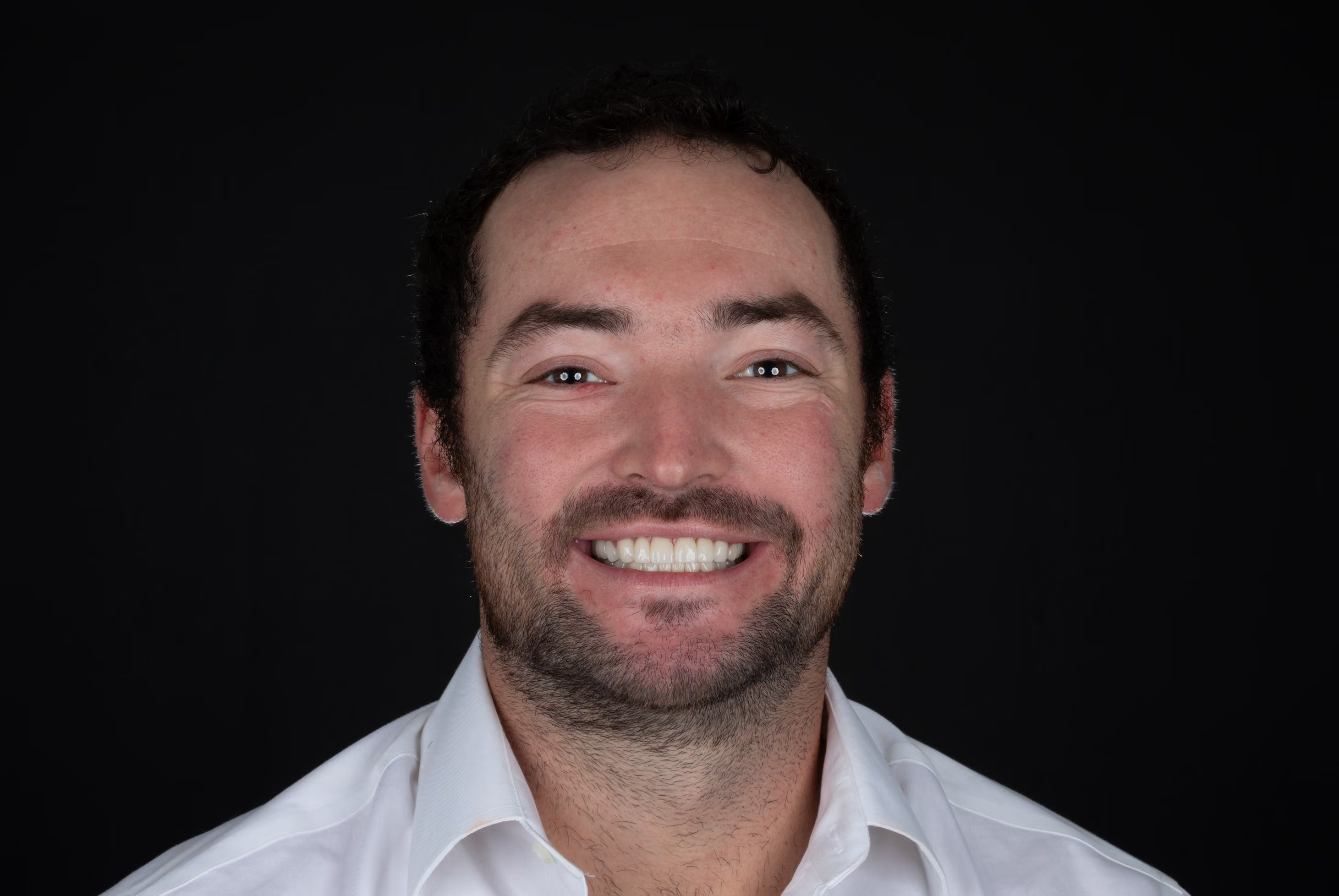
An existing Livewell Dental patient case. Individual results vary. Your treatment options will depend on an examination of your teeth, gums, and bone.
With healthy gums, good home care, and regular dental visits, dental implants can last many years. The implant post itself is designed as a long-term replacement root, while the crown, bridge, or prosthesis attached to it may need maintenance, repair, or replacement over time depending on bite forces, materials, and daily habits.
Dental implants require daily brushing, careful cleaning around the implant, and regular professional maintenance. Depending on your restoration, we may recommend floss threaders, interdental brushes, or a water flosser. At Livewell Dental, we review your home-care routine and monitor the implant, gums, bite, and restoration during follow-up visits.